Wallraf–Richartz Museum
7 artworks
Located in the heart of Cologne, the Wallraf–Richartz Museum stands as a cornerstone of German cultural heritage, representing one of the city’s three primary artistic institutions. Its foundational legacy traces back to a rich history of civic patronage, evolving from a local repository into a world-class center for fine art. The museum’s extensive holdings span a vast chronological arc, beginning with sophisticated medieval panel paintings and extending through the radical aesthetic shifts of the early twentieth century, offering a scholarly bridge between the pre-modern and the dawn of the modern era.
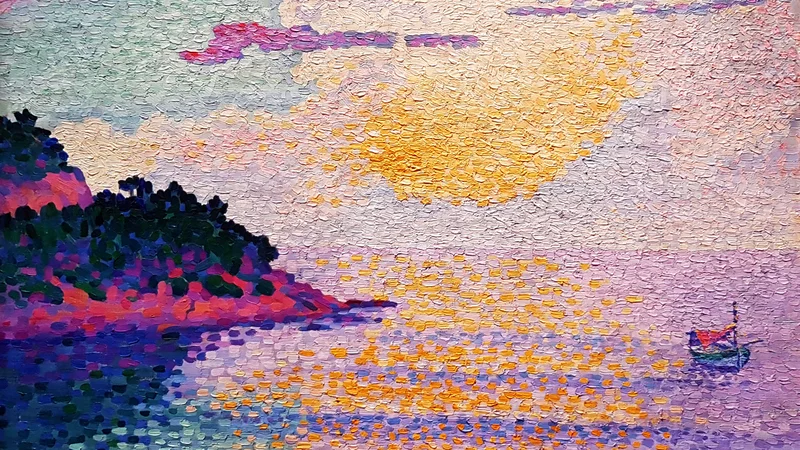
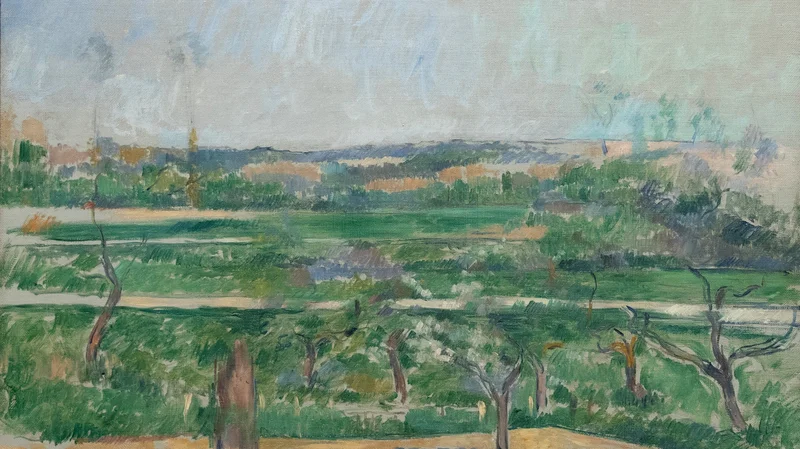
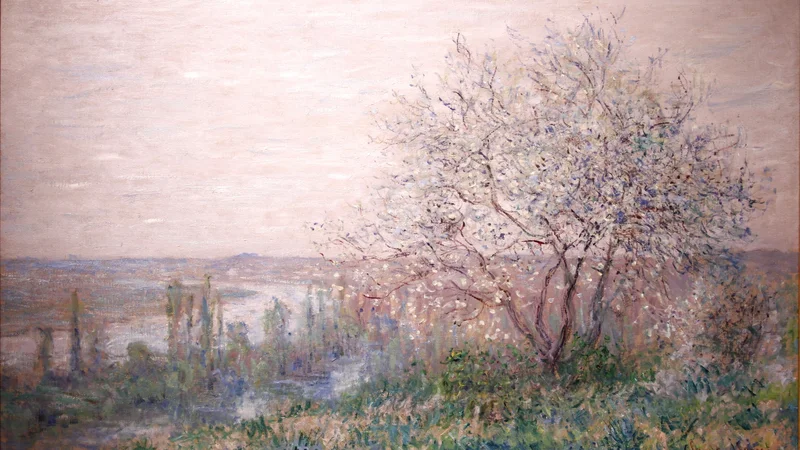
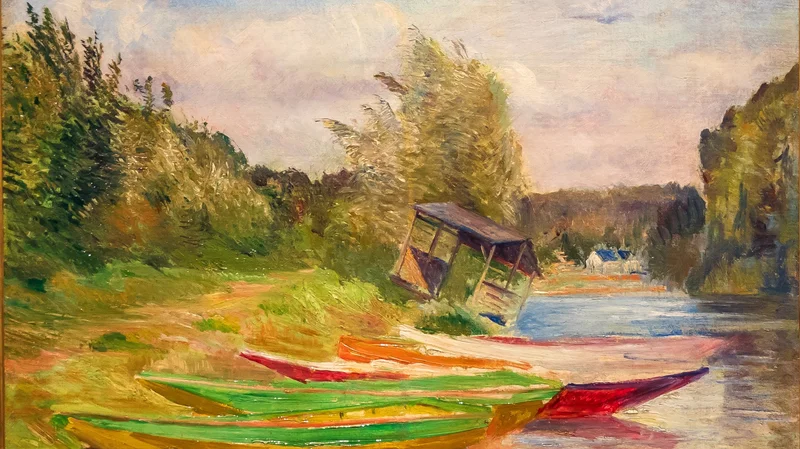
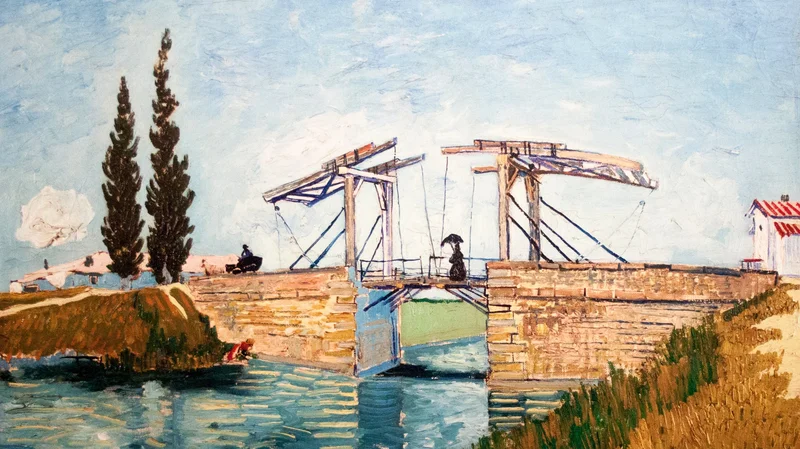
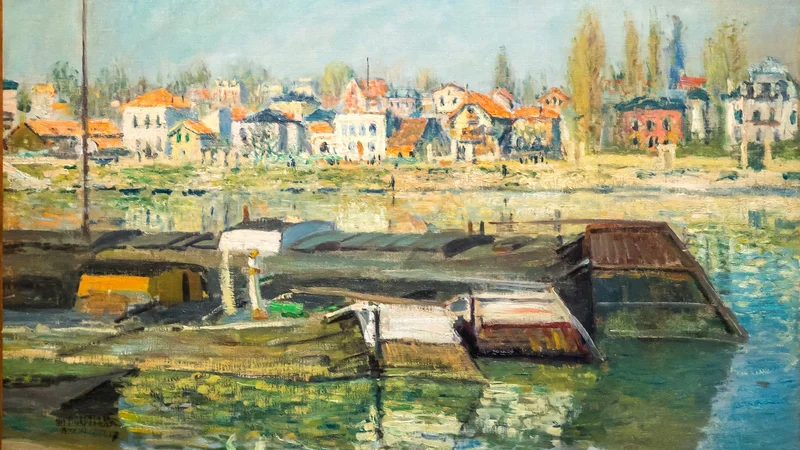
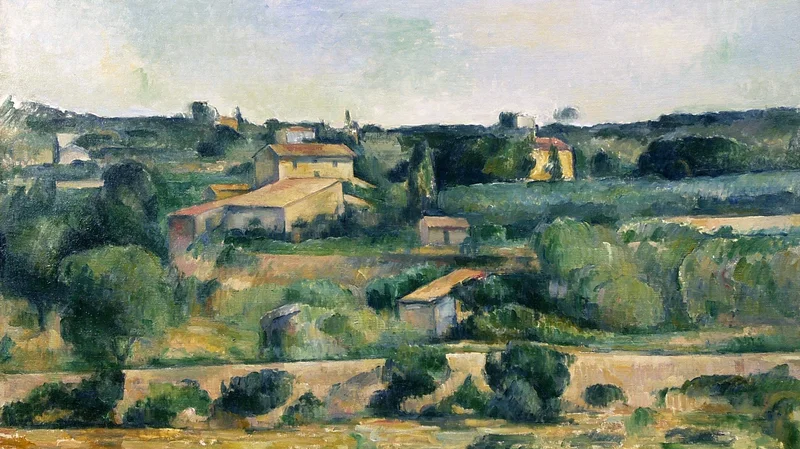
The museum’s collection is perhaps most distinguished by its exceptional focus on Impressionism, Pointillism, and Post-Impressionism. Visitors encounter pivotal works that define these movements, such as Claude Monet’s luminous Sunset over the sea and Vincent van Gogh’s evocative Langlois Bridge at Arles. The breadth of the collection is further enriched by the inclusion of Gustave Caillebotte’s The Seine at Asnières, Paul Cezanne’s Paysage à Aix-en-Provence, and the meticulous color theory applied in Henri-Edmond Cross’s Barques et cabane, bord de Seine. Each piece, including the serene Dans la plaine de Bellevue, serves as a testament to the museum's dedication to preserving the technical and stylistic evolution of European painting.
As a scholarly institution, the Wallraf–Richartz Museum plays an essential role in the discourse of art history. By maintaining a rigorous standard for both conservation and exhibition, it provides an invaluable lens through which to view the transformative power of light, color, and form. Its enduring reputation as a premier destination for art history enthusiasts is built upon its commitment to the profound narratives of its masterworks, ensuring that the legacy of these influential movements remains accessible to contemporary audiences.
Background adapted from Wikipedia (CC BY-SA).