Art Informel
6 artworks
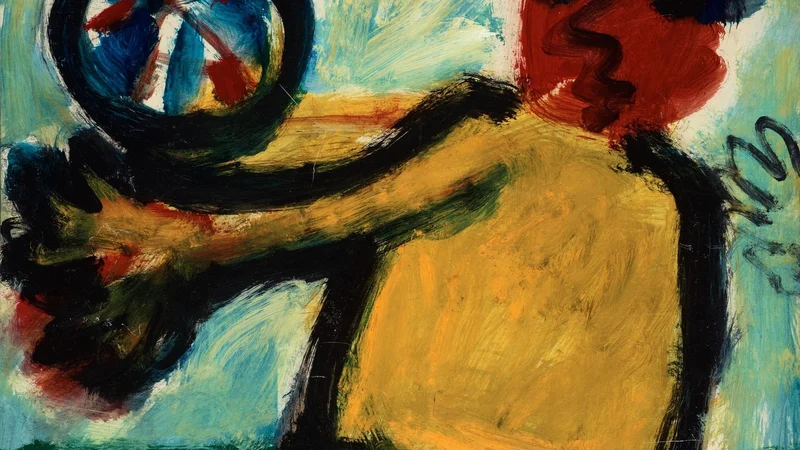
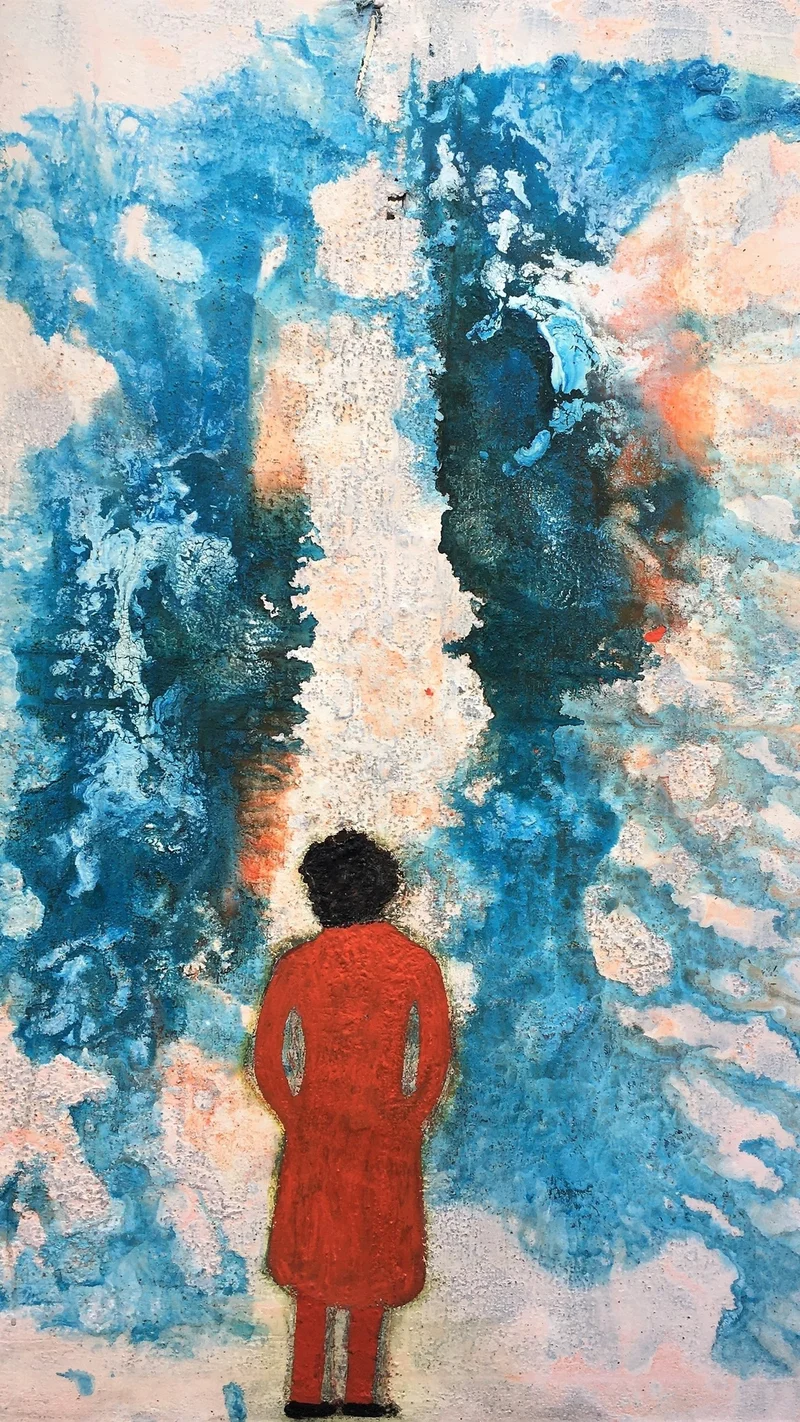
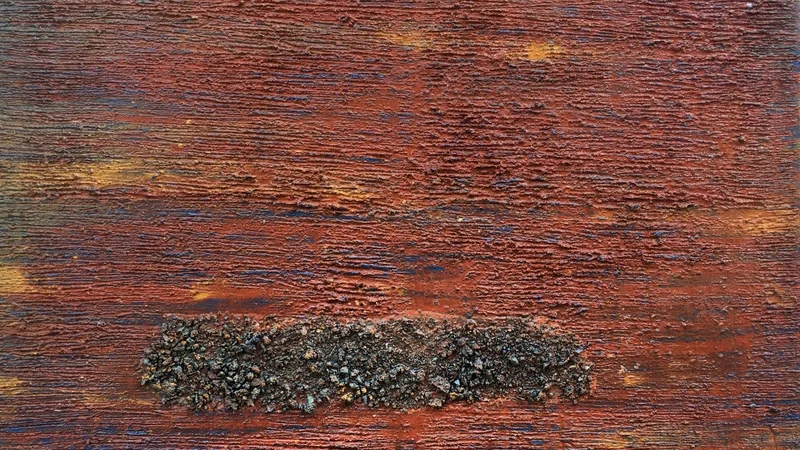
Art Informel emerged in post-World War II Europe as a radical departure from the rigid geometric abstraction that dominated the pre-war avant-garde. Defined by an improvisational approach to the canvas, the movement prioritized the raw physicality of paint, rejecting traditional compositional hierarchies in favor of gestural spontaneity and matiérisme. Artists such as Eugene Brands and Alfred Freddy Krupa explored the expressive potential of brushwork and layered textures, transforming the surface into a site of existential inquiry. Works like The Ball Game and Drava Expression No.1 exemplify this shift, utilizing a visceral application of pigment that emphasizes the artist's immediate psychological state over representational clarity.
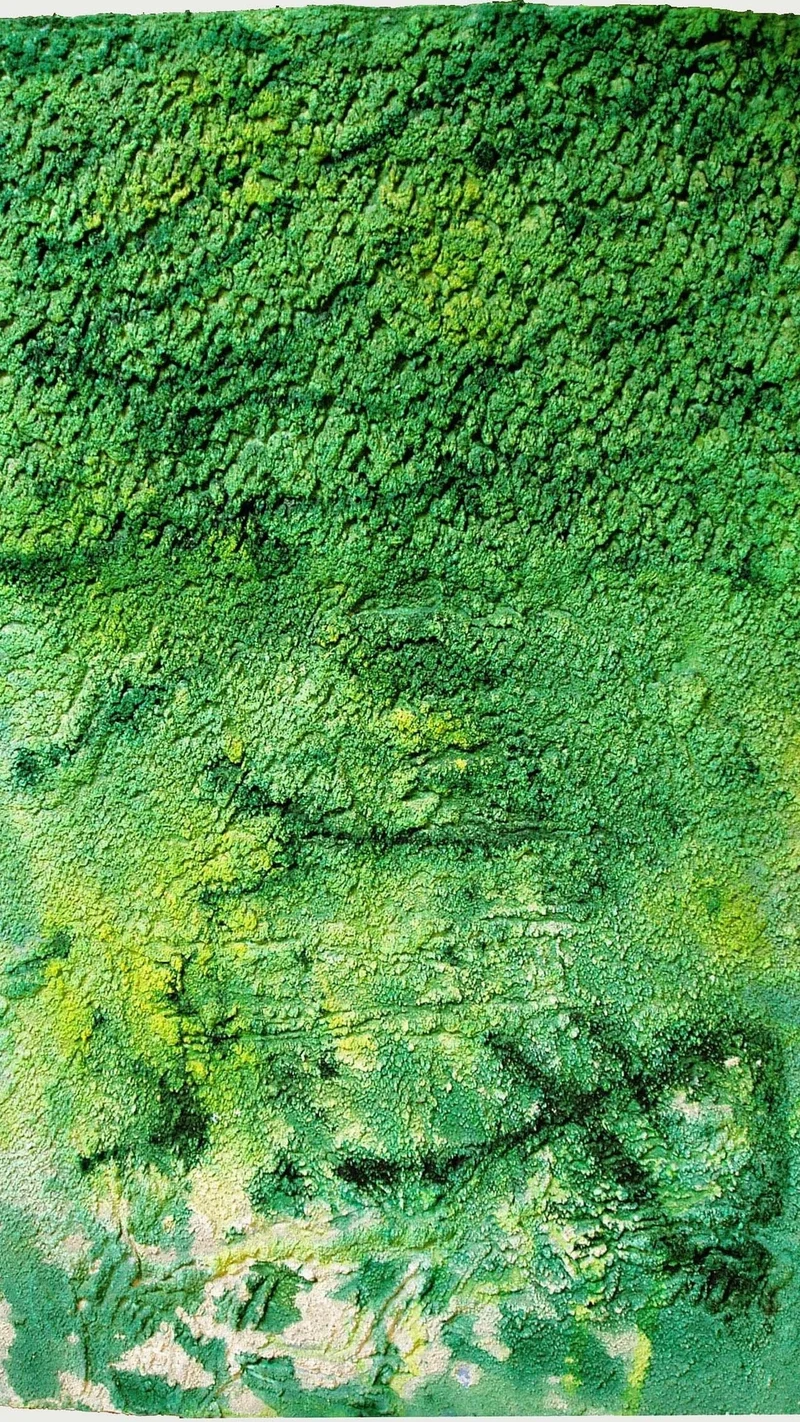
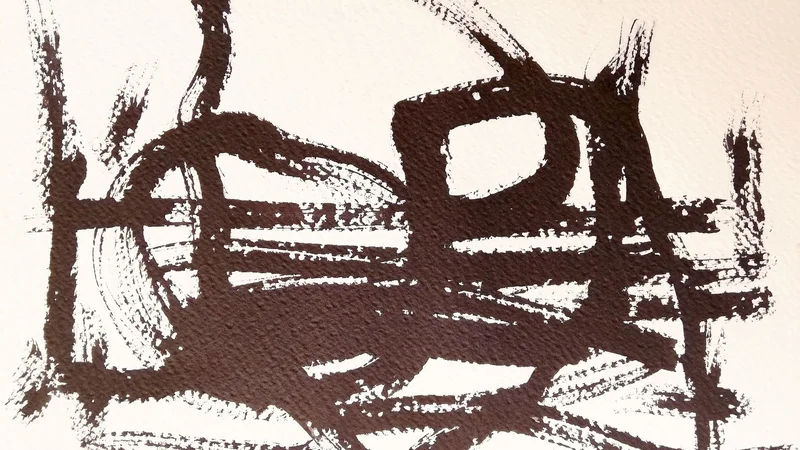
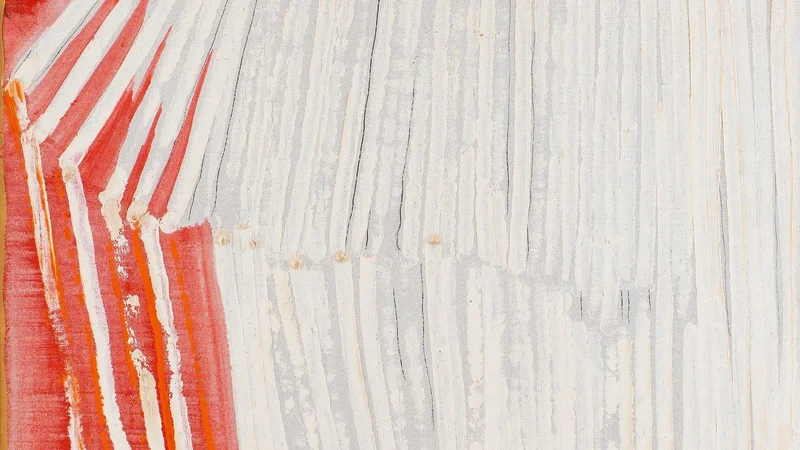
The aesthetic vocabulary of Art Informel relies heavily on dynamic color theory and the manipulation of light to create depth without relying on perspective. Practitioners like Sergio Mario Illuminato, Rune Jansson, and Vjeran Čengić refined these technical boundaries through compositions such as OPTICALPERCEPTIONSQUES, MOBYDICK, Forestsurface XII, and Wave Lines. By deconstructing the image into fragmented, intuitive forms, these artists challenged the viewer to engage with the materiality of the medium itself. This movement remains a cornerstone of 20th-century art history, having fundamentally altered the relationship between human gesture and the void, thereby paving the way for subsequent developments in abstract expressionism and contemporary non-figurative practice.