Concretism
4 artworks
Emerging from the intellectual ferment of early 20th-century avant-garde circles, Concretism proposed a radical departure from the representational constraints of traditional art. The movement insisted that a work of art should not reference external reality, but rather exist as an autonomous object—a direct construction of form, color, and rhythm. By rejecting the subjective emotionalism of Expressionism in favor of mathematical precision and geometric clarity, proponents of this style sought to elevate art to a universal language, transcending cultural and linguistic boundaries through the rigors of logical composition.
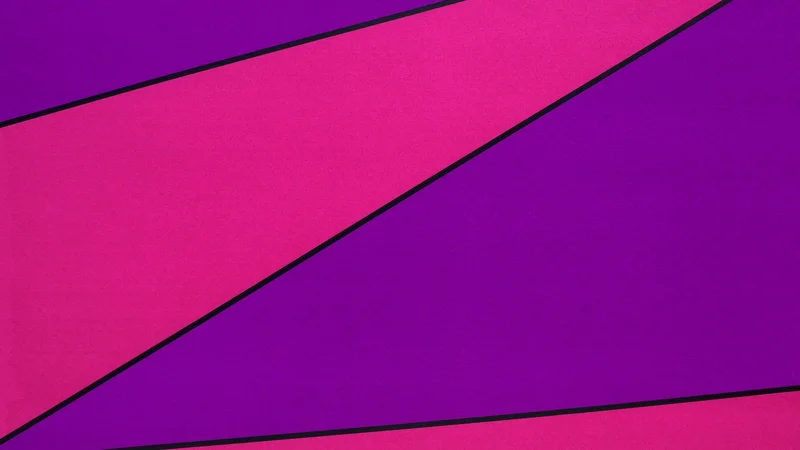
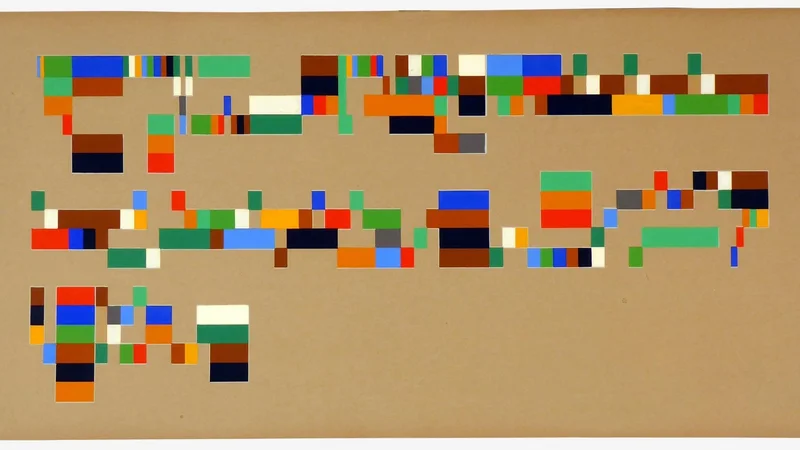
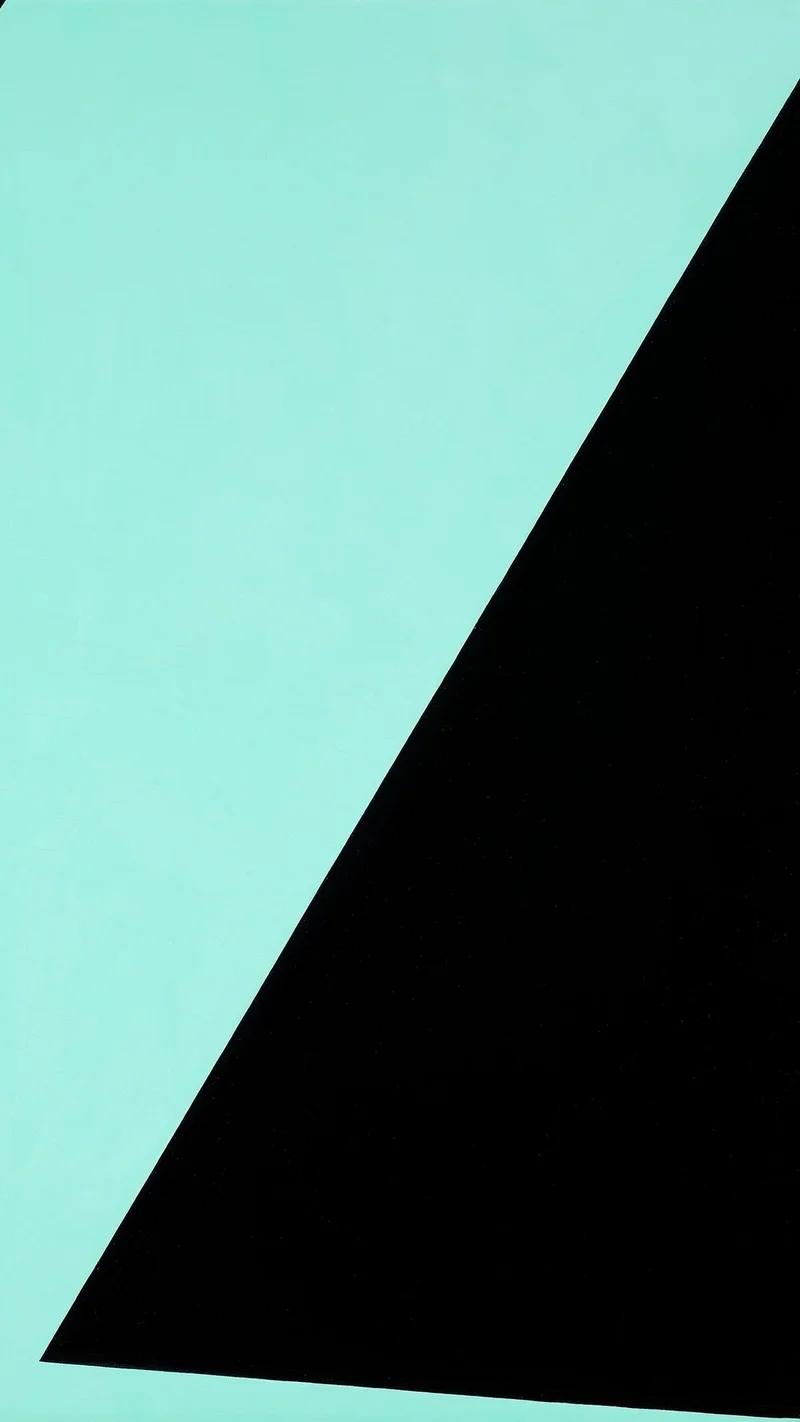
Leading practitioners such as Olle Baertling and Robert Strubin were central to this pursuit, exploring the interplay between spatial dynamics and musicality. Baertling’s Force Spatiale Blanc Noir Bleu and Kia exemplify the movement’s dedication to open forms and kinetic tension, where lines extend beyond the physical boundaries of the canvas to imply infinite space. Similarly, the synthesis of visual and auditory structure is evident in works like Strubin’s Max Reger, Gavotte op. 82, Nr. 5 and Hans Ulrich Engelmann 99 Takte f. Cembalo. Lento. These creations demonstrate the Concretist ethos: that the arrangement of non-figurative elements functions with the same structural integrity as a musical score, establishing a legacy of objective abstraction that continues to inform minimalist and systemic artistic practices today.