Lyrical Abstraction
6 artworks
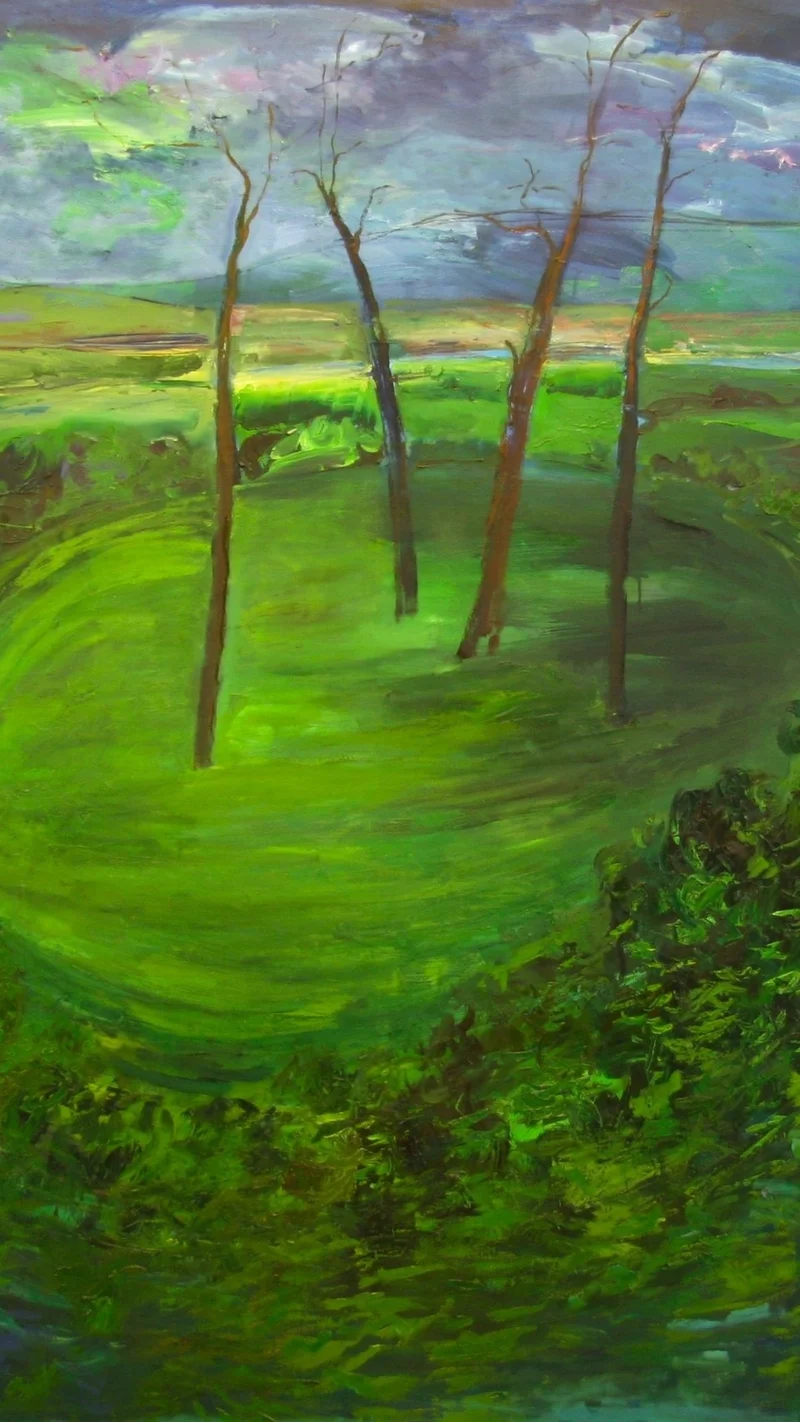
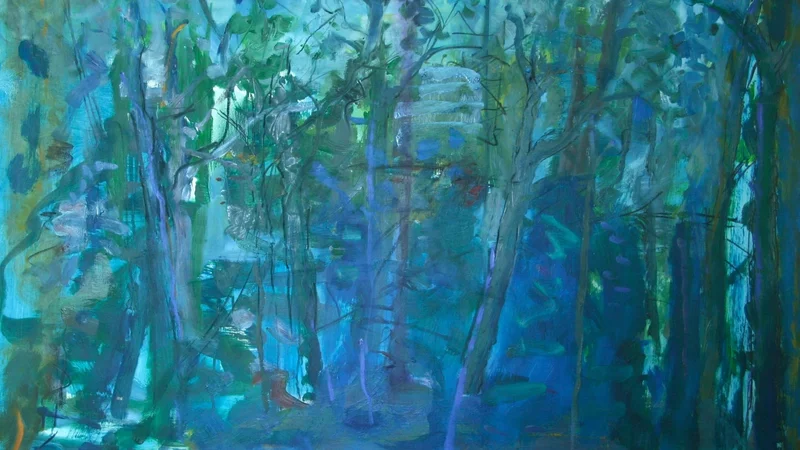
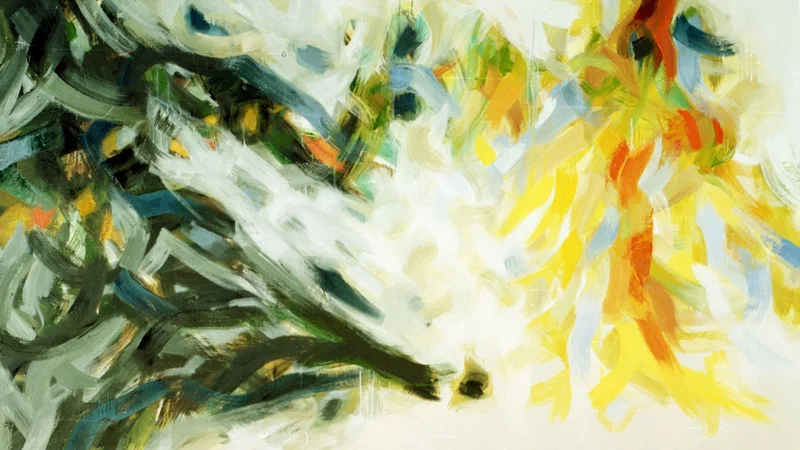
Lyrical Abstraction emerged in post-war Europe as a profound departure from the rigid geometric constraints of earlier non-objective art, championing a spontaneous, intuitive approach to the canvas. By prioritizing the gestural mark and an emotive, atmospheric palette, the movement sought to bridge the gap between internal subjective experience and external visual expression. Figures such as Rene Duvillier and Jeremy Henderson became pivotal in defining this aesthetic, often utilizing fluid, rhythmic brushwork to evoke landscapes of the mind. Works like Four Dead Treesona Rath and Nowhere Land No.8 exemplify the movement's focus on organic vitality and the preservation of the artist’s immediate, unmediated presence within the work.
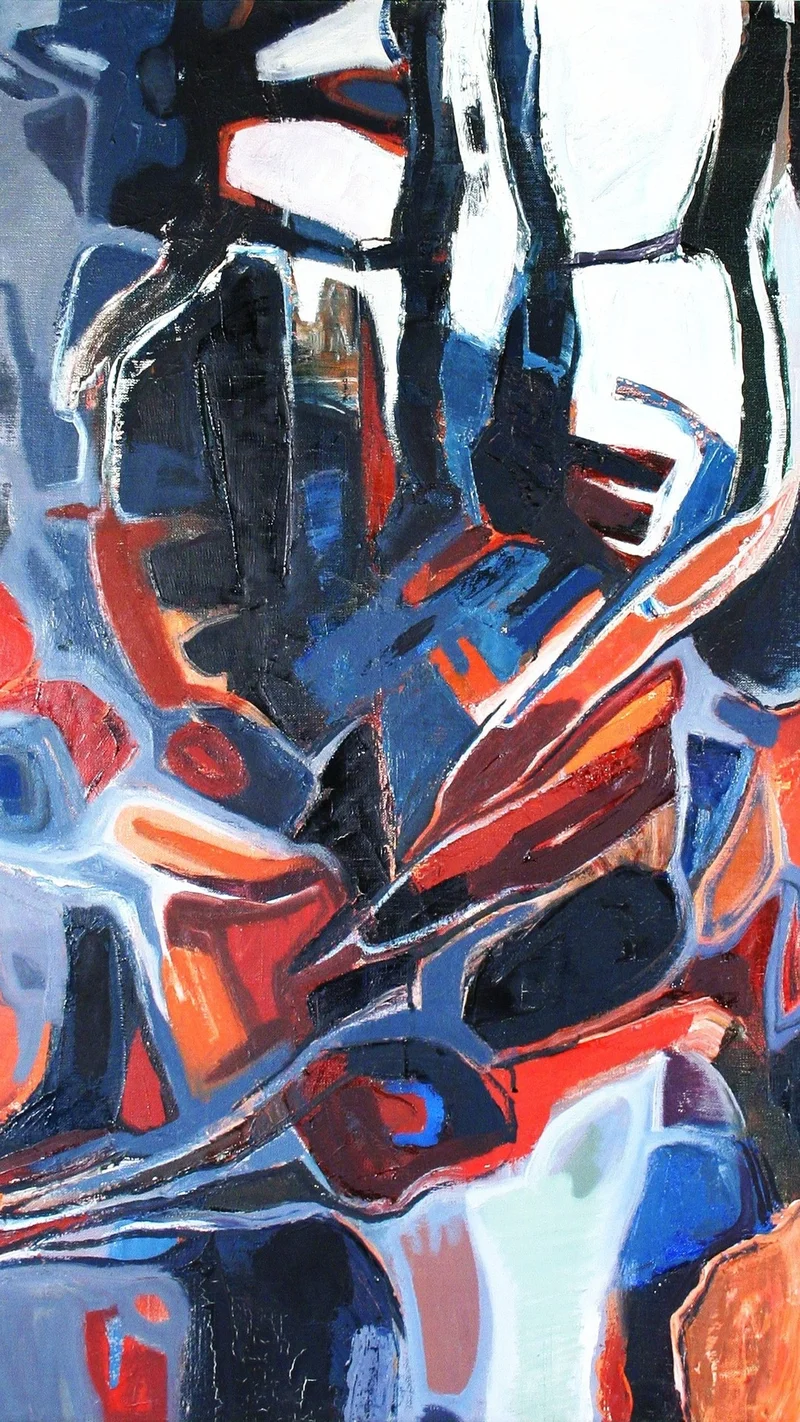
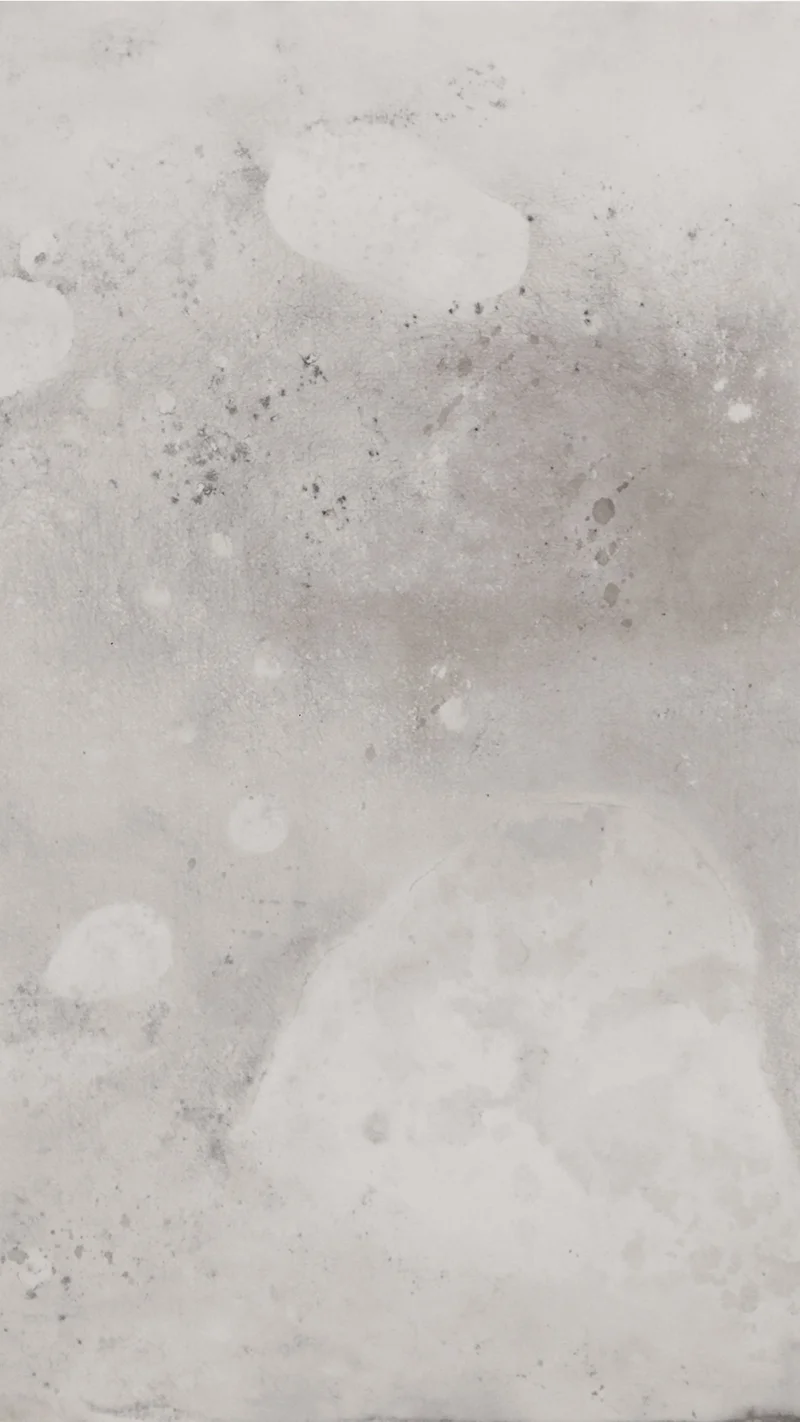
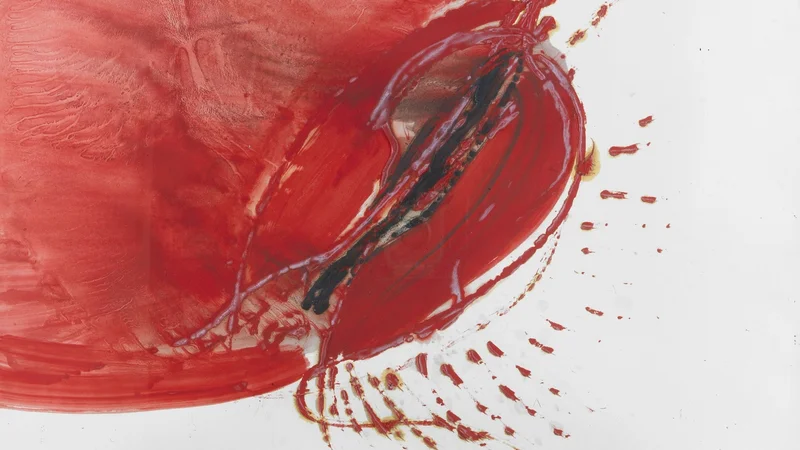
The trajectory of the style expanded significantly through the mid-twentieth century, as practitioners like Paula Klien and Ervin Tamas pushed the boundaries of abstraction toward a more visceral, often turbulent intensity. Pieces such as Apocalypse, Jouissancedel'espace, Disaster, and Embryos4 illustrate the thematic breadth of the movement, ranging from serene meditations on space to chaotic, existential inquiries. This commitment to lyrical freedom exerted a lasting impact on contemporary practice, liberating subsequent generations of painters from the necessity of strict form. By asserting that the canvas could serve as a site of pure, untethered psychological resonance, Lyrical Abstraction secured its position as a vital cornerstone of modern art history.