Northern Renaissance
5 artworks
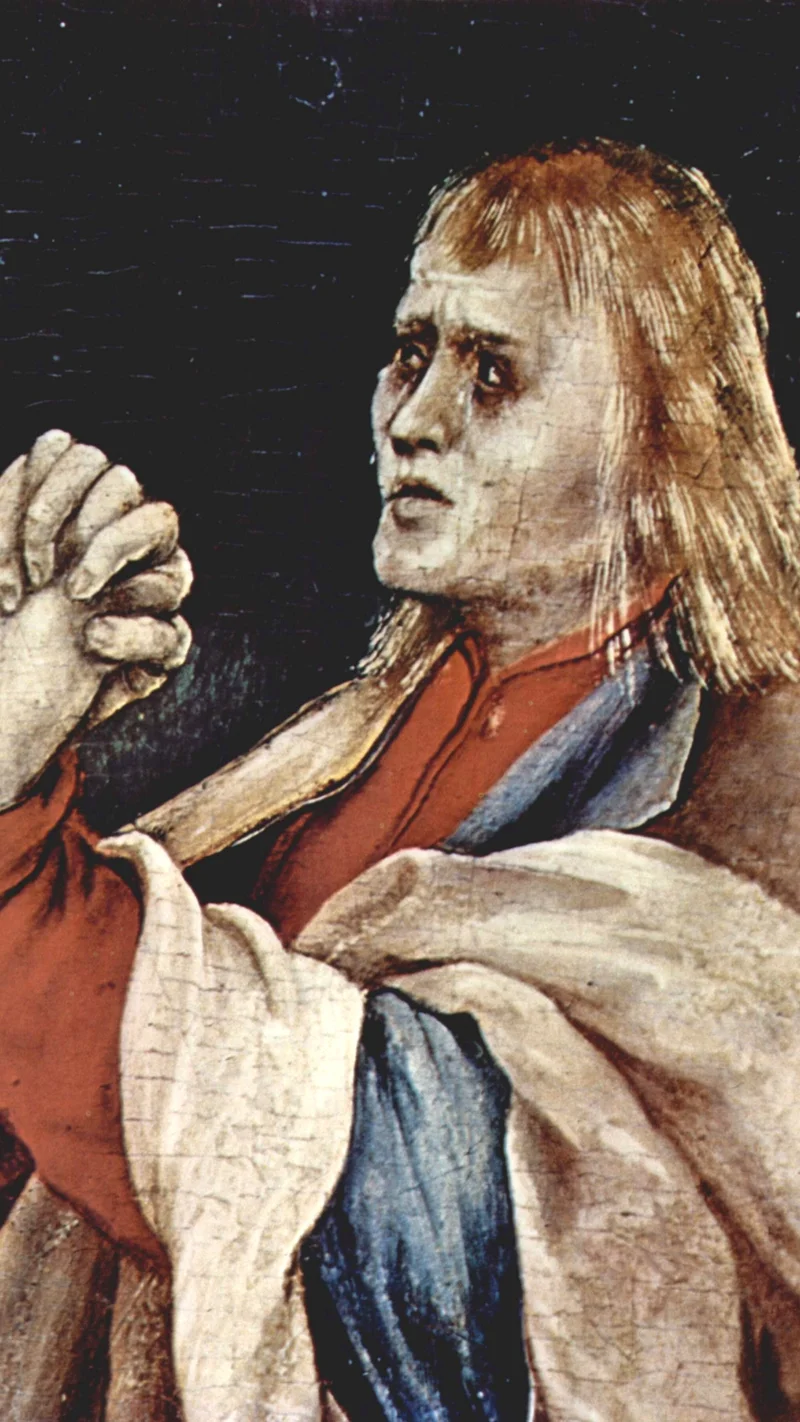
The Northern Renaissance emerged during the fifteenth and sixteenth centuries as a distinct artistic paradigm characterized by a rigorous commitment to empirical observation and technical precision. Diverging from the idealized forms of the Italian tradition, Northern masters prioritized the rendition of intricate surface textures and atmospheric depth, often facilitated by the sophisticated application of oil glazes. Artists such as Matthias Grünewald, renowned for the emotive power of The Small Crucifixion, and Herri met de Bles, whose landscapes exhibit a pioneering mastery of aerial perspective, exemplified this devotion to naturalistic detail. This period saw a sophisticated integration of color theory and light handling, where the play of shadow and luminescence served to elevate both secular and religious subject matter into profound theological or moral statements.
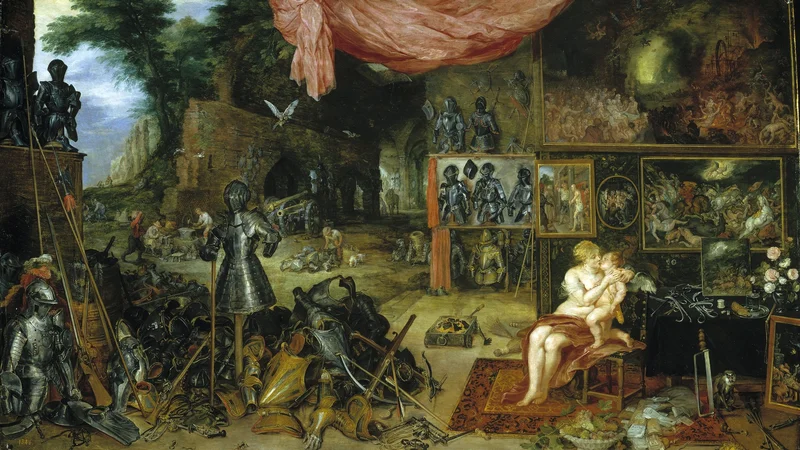
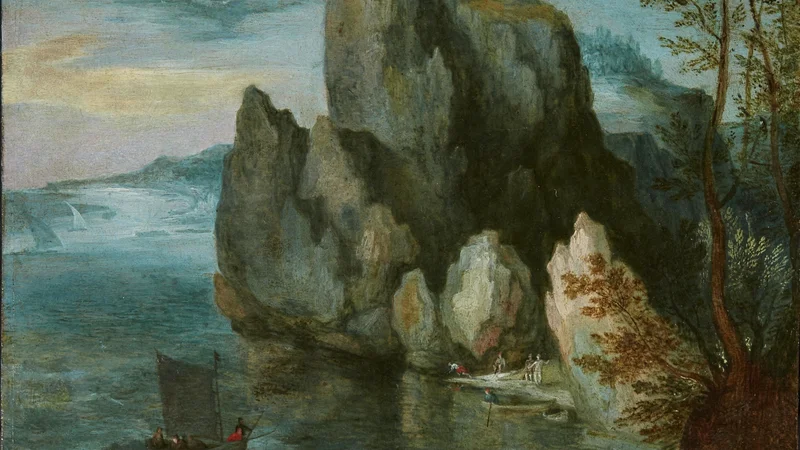
Techniques refined by figures such as Jan Brueghel the Elder in works like Touch and Seascape with a High Cliff illustrate the era's fascination with the microcosmic and the expansive. The compositions, often dense with symbolic complexity, mirrored the intellectual climate of the Low Countries and Germany, where the narrative depth of pieces like The Story of David and Bathsheba or the allegorical weight of Allegory of Covetousness by Herman Hahn functioned as visual conduits for humanistic inquiry. By mastering the delicate balance between minute technical execution and expansive compositional harmony, these artists established a foundational visual vocabulary that profoundly shaped the trajectory of Western European art, emphasizing the profound significance of the tangible world.