Pop Art
8 artworks
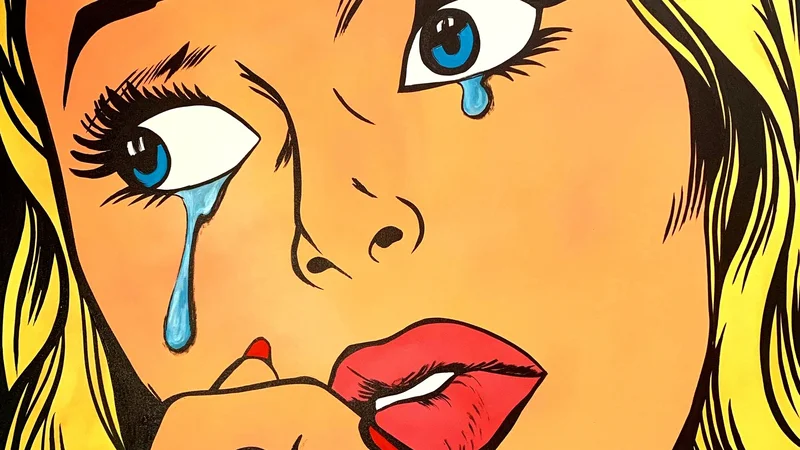
Pop Art emerged in the mid-1950s in Britain and the late 1950s in the United States as a profound reaction against the perceived elitism and introspective abstraction of the Abstract Expressionists. By appropriating imagery from mass media, advertising, and comic books, practitioners sought to bridge the chasm between high art and the ubiquitous vernacular of industrial society. This movement functioned as a mirror to the postwar consumer boom, elevating the mundane and the mass-produced into the realm of aesthetic inquiry. Works such as Kiss from Glamorous Romances 41 and C Comics No. 2 (cover) exemplify this shift toward a visual language defined by bold color, mechanical reproduction techniques, and a deliberate detachment from the emotionality of the artist’s hand.
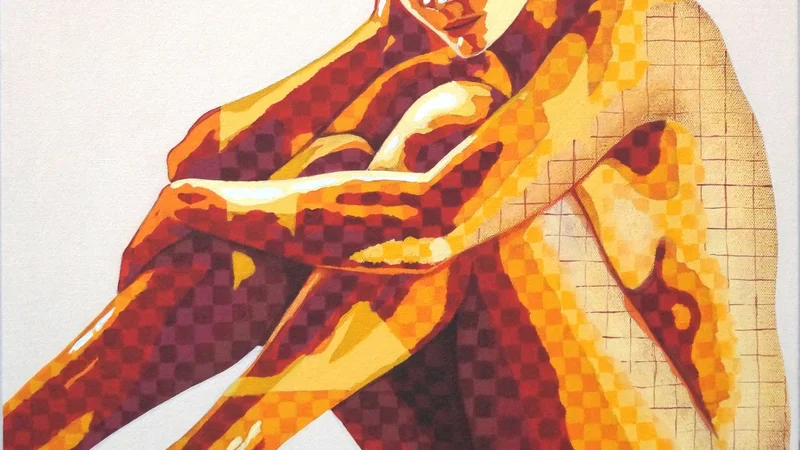
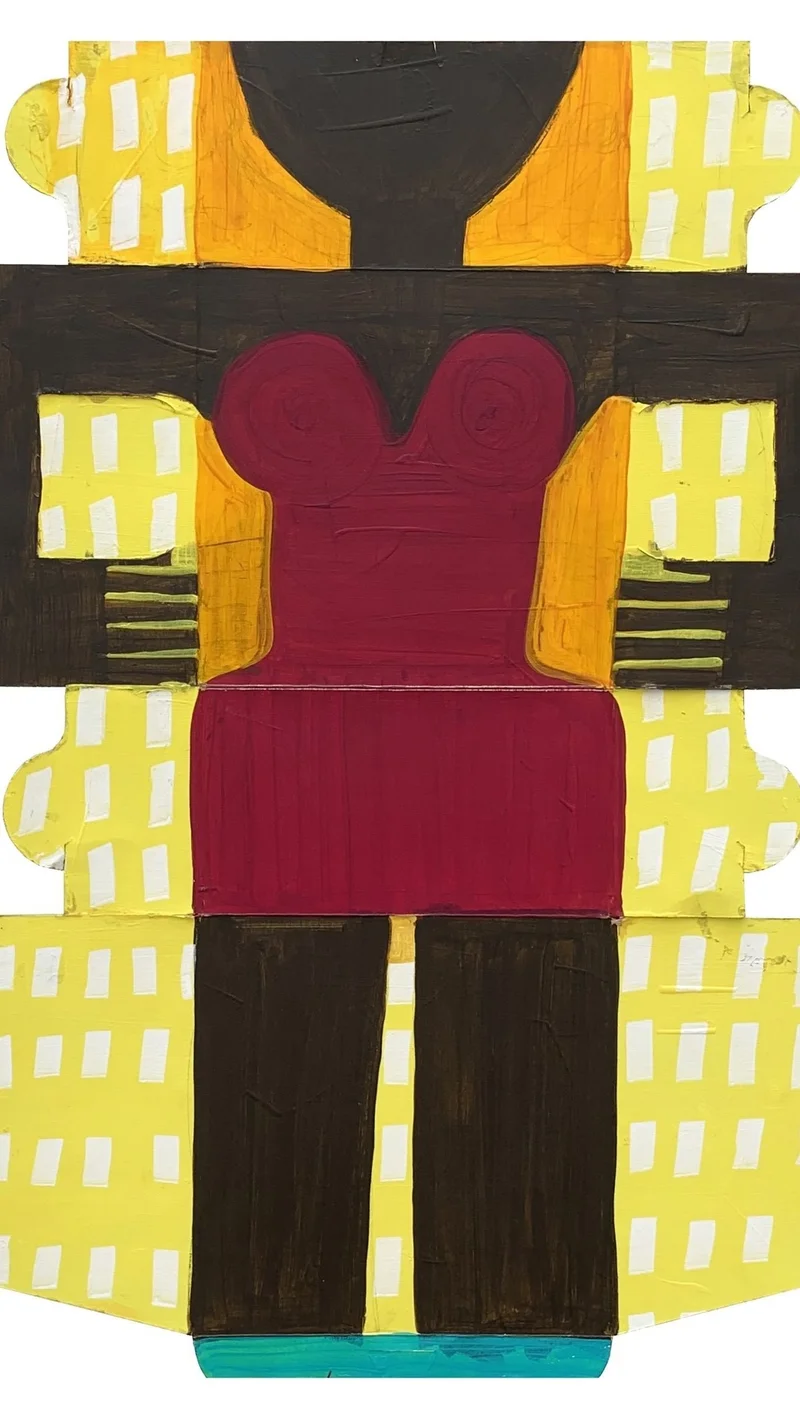
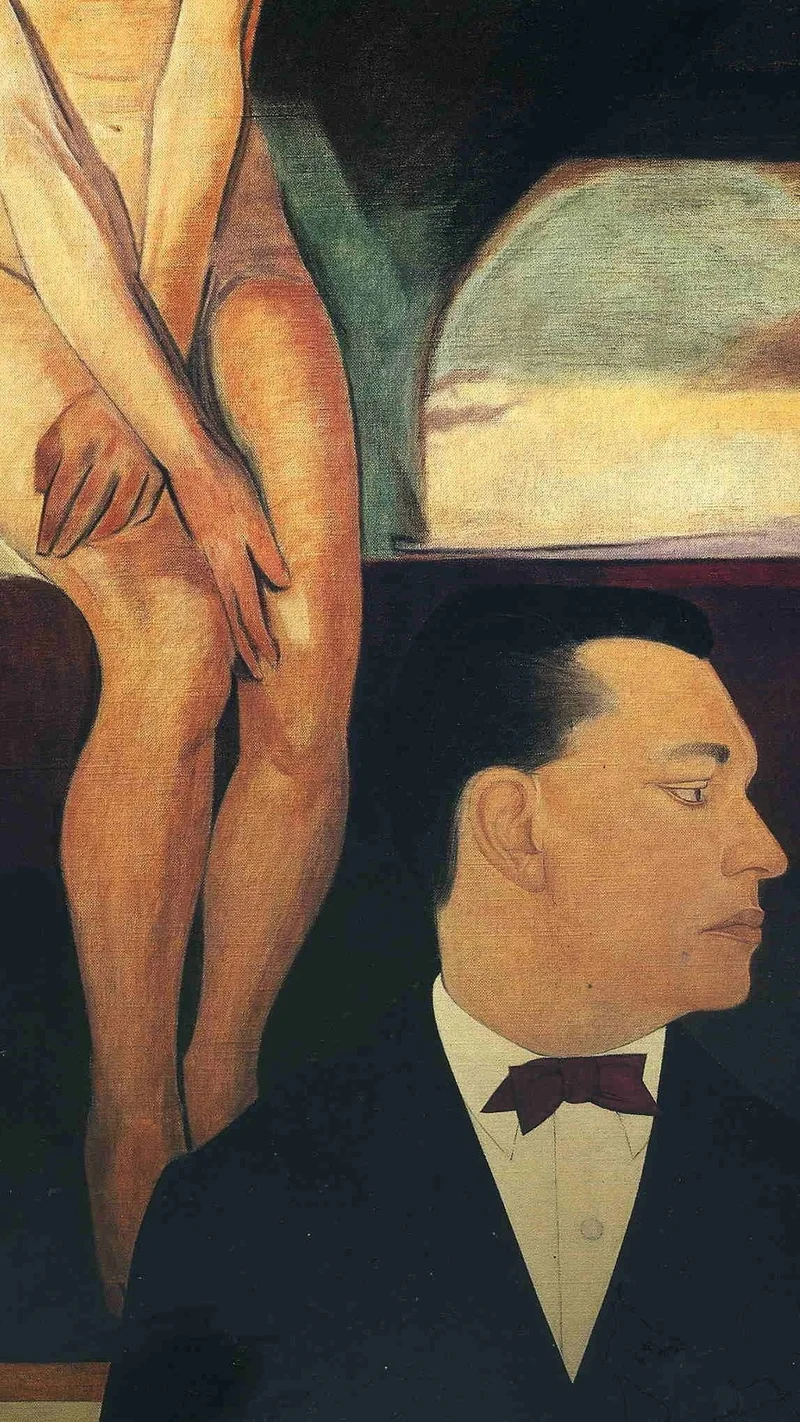
The movement encompassed a diverse array of contributors who challenged traditional definitions of authorship. Figures like John Van Hamersveld, whose iconic The Endless Summer poster became a definitive cultural marker, and artists such as Will Barnet, Sonaly Gandhi, and the creative forces behind the Johnny Bravo logo, utilized the graphic clarity of the era to interrogate visual semiotics. Through pieces like Happy Tears and Aeny, the movement dismantled the sanctity of the original work, favoring the accessibility and ironic commentary inherent in popular culture. Ultimately, this aesthetic revolution fundamentally altered the trajectory of modern art, asserting that the artifacts of daily life were as valid and significant as any historical subject matter.