Suprematism
4 artworks
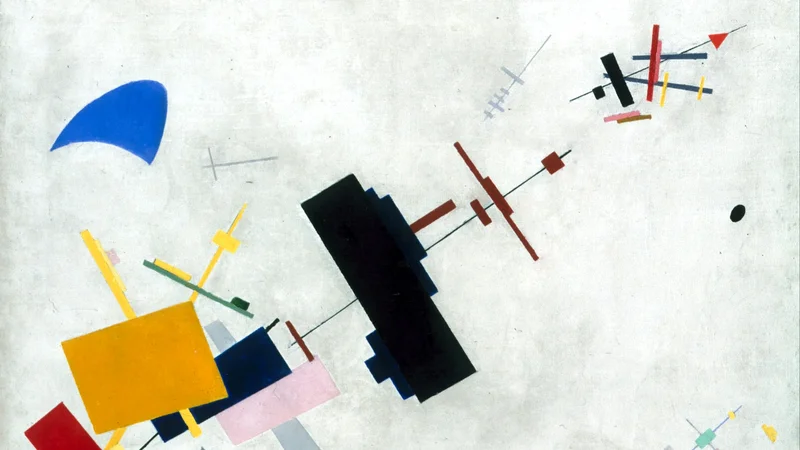
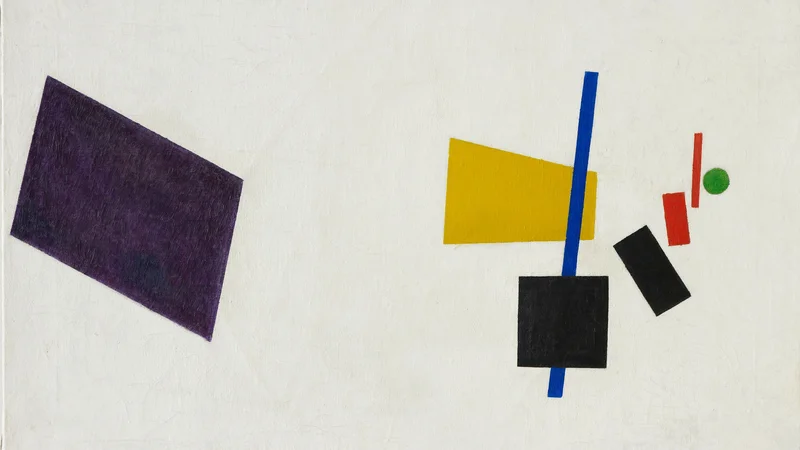
Suprematism emerged in Russia around 1913, serving as a radical departure from the representational constraints of traditional art. Spearheaded by Kazimir Malevich, the movement sought to prioritize the supremacy of pure feeling over the depiction of physical objects. By utilizing a vocabulary of geometric forms—squares, circles, and lines—Malevich and his contemporaries, such as Lyubov Popova, aimed to articulate a new, non-objective reality. Works like Suprematism (Supremus no. 56) and Painterly Realism of a Football Player - Color Masses in the 4th Dimension exemplify this quest for an absolute aesthetic language, effectively stripping away the anecdotal to reveal an underlying, universal structure.
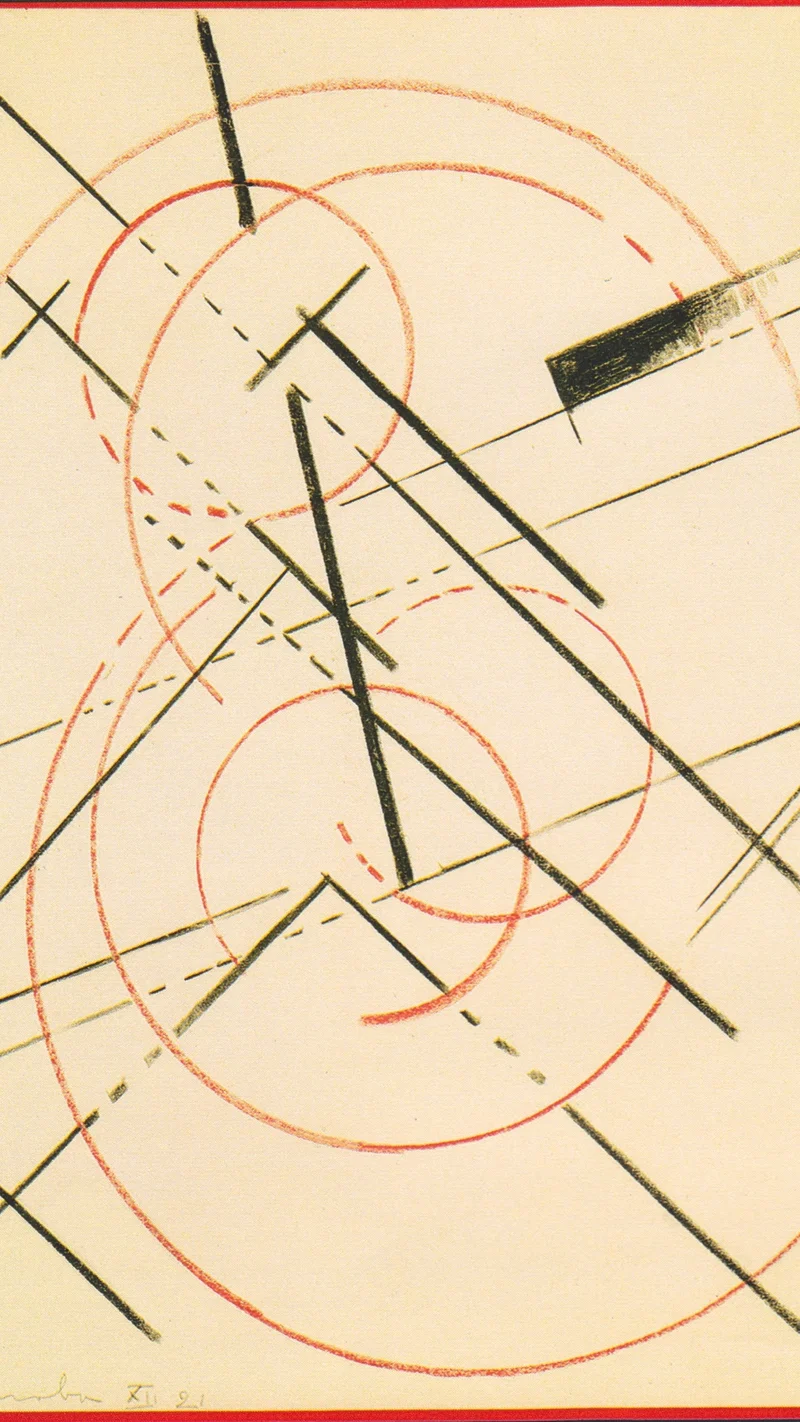
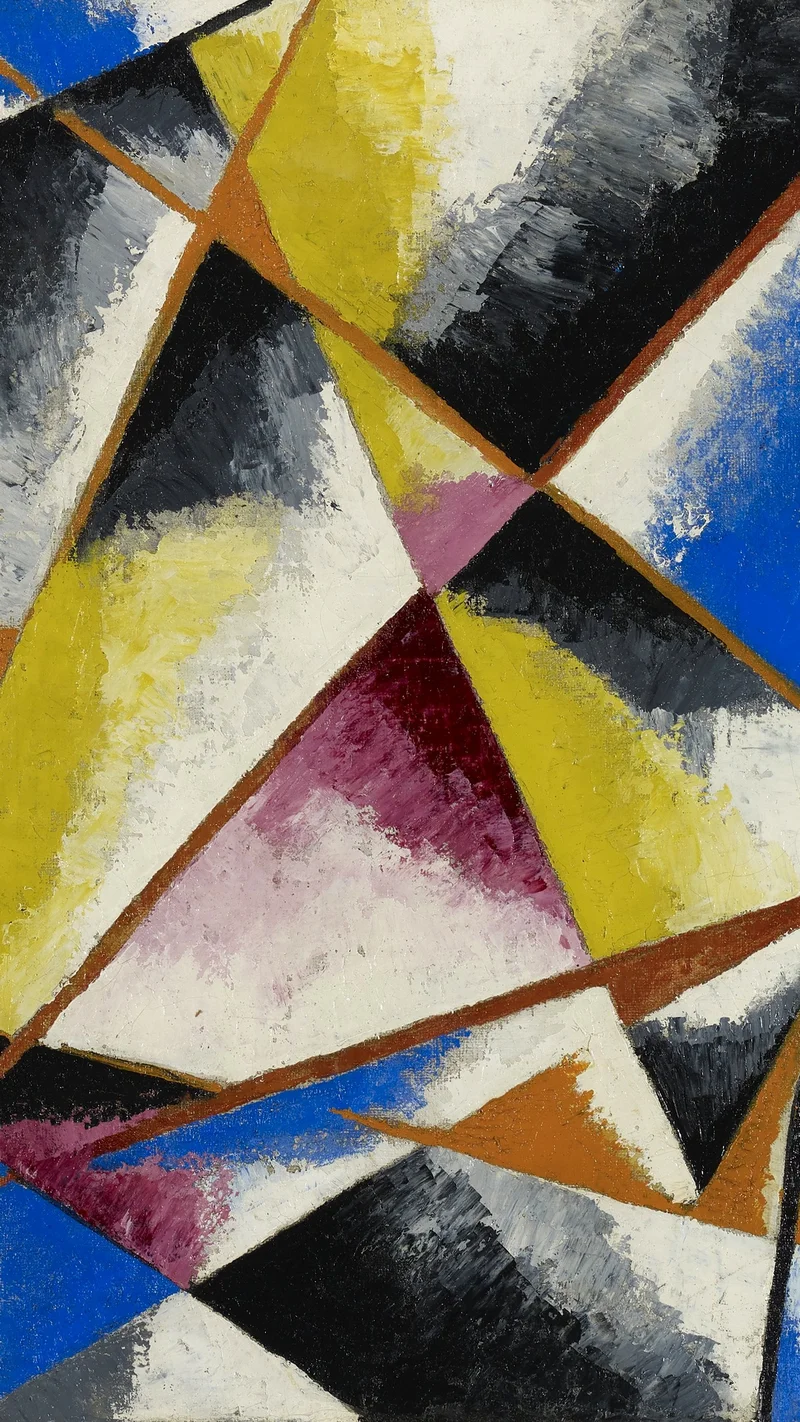
The movement was deeply influenced by the philosophical desire to transcend the materiality of the twentieth century. Through compositions like Popova’s Lineare Komposition and the starkness of Untitled Composition, practitioners explored the dynamics of space and color as independent forces. This intellectual rigor challenged the viewer to engage with the canvas as a site of cognitive and spiritual awakening rather than a mirror of the external world. As a foundational pillar of the avant-garde, Suprematism’s focus on reduction and essentialism permanently altered the trajectory of modernism, influencing subsequent developments in minimalism and abstract expressionism by asserting that art’s primary duty is the exploration of pure perception.