David Teniers the Younger
5 artworks
David Teniers the Younger (1610–1690) was a preeminent Flemish painter of the Baroque era, deeply rooted in the artistic traditions of Antwerp. Trained under his father, David Teniers the Elder, he emerged as a versatile master who commanded a vast range of subjects, from religious compositions to detailed depictions of everyday life. His career reached significant maturity during his most prolific periods in the mid-17th century, notably around 1645, 1658, and 1660, during which he served as court painter to Archduke Leopold Wilhelm of Austria in Brussels. His tenure in the Archduke’s service allowed him unparalleled access to the royal collection, which profoundly refined his technical precision and compositional scope.
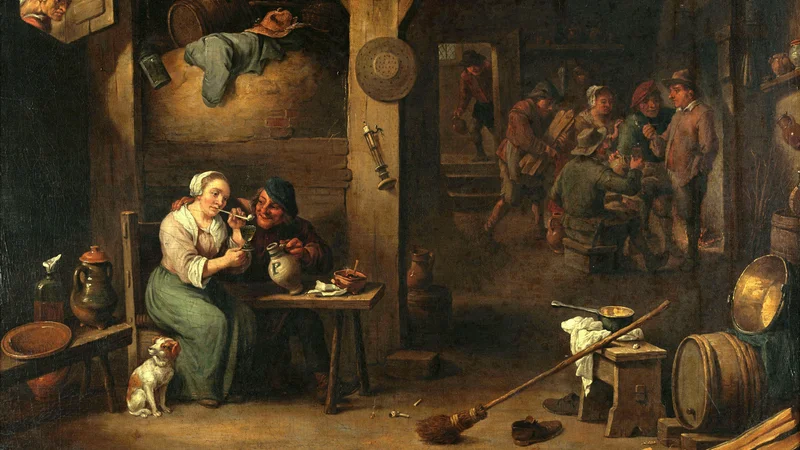
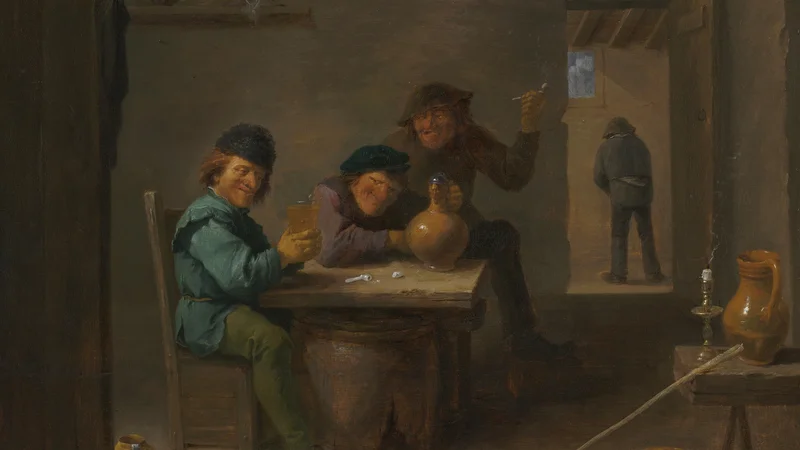
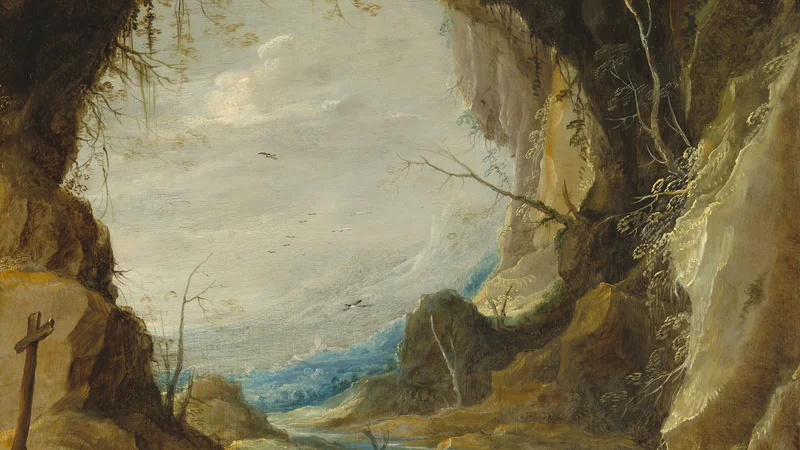
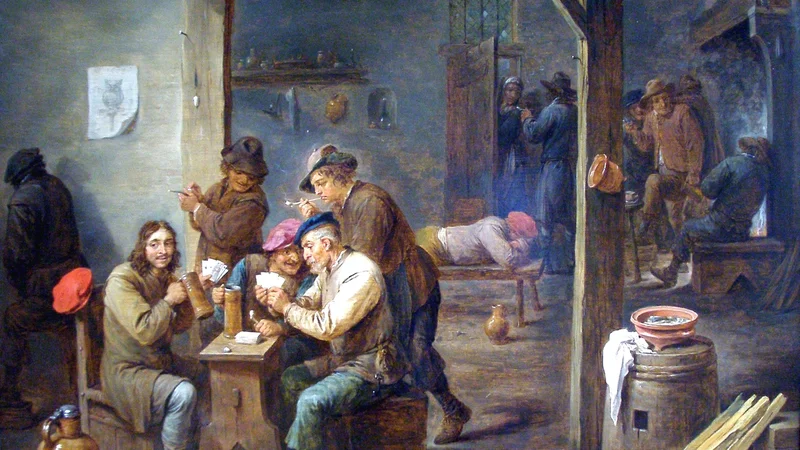
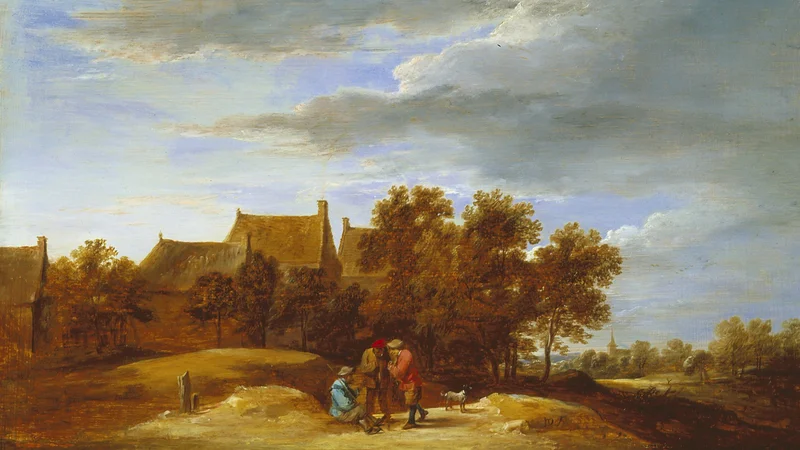
Teniers is best known for his genre scenes, which elevated the representation of rural life through a sophisticated, observational lens. Works such as Interior of a tavern, Tavern Scene, and Peasants in a Tavern demonstrate his mastery of light and texture, capturing the conviviality and earthy character of his subjects with meticulous brushwork. In contrast, his landscapes, exemplified by Vista from a Grotto and By the Wayside, showcase a delicate handling of atmosphere and depth. His ability to balance the tactile quality of domestic interiors with the expansive, airy qualities of the Flemish countryside remains a defining feature of his oeuvre.
The historical significance of Teniers lies in his role as a bridge between the tradition of Pieter Bruegel the Elder and the refined, aristocratic tastes of the later 17th century. By popularizing the genre of peasant life and applying a polished, painterly technique to common subjects, he influenced generations of northern European artists. His work provided a crucial template for the development of genre painting, ensuring his legacy as a central figure in the evolution of European art.