Eastman Johnson
8 artworks
Jonathan Eastman Johnson (1824–1906) was a preeminent American painter who achieved international recognition for his contributions to genre art during the mid-to-late nineteenth century. Trained initially in the meticulous craft of lithography and later refined by study at the Düsseldorf Academy and in The Hague, Johnson developed a sophisticated approach to composition that bridged the gap between European academic traditions and the American vernacular. His practice, particularly active during the 1860s and 1870s, focused on the dignification of domestic life and rural labor, establishing him as a pivotal figure in the development of American realism.
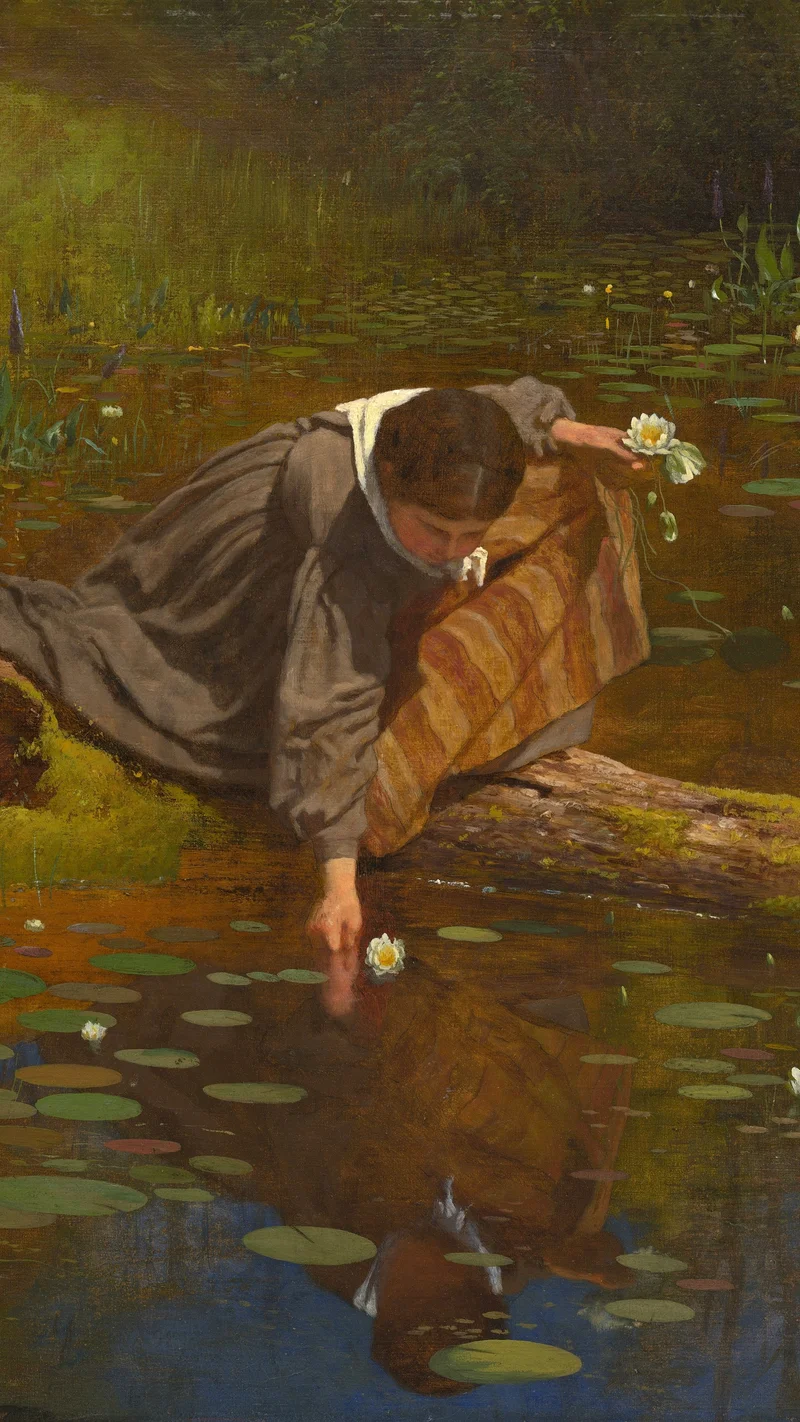
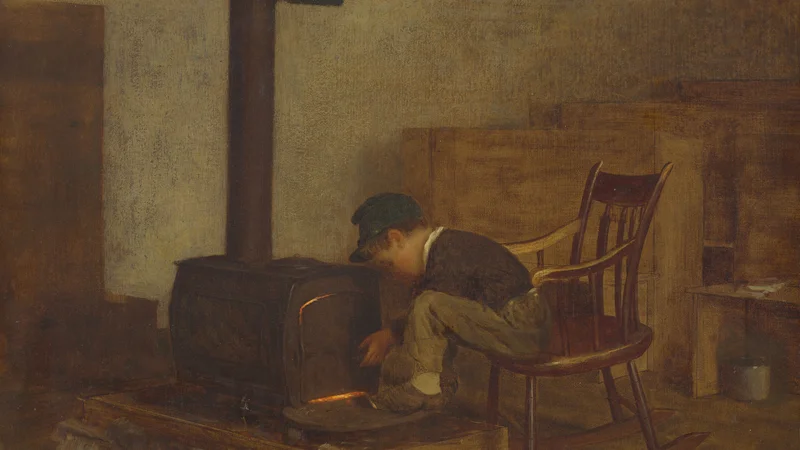
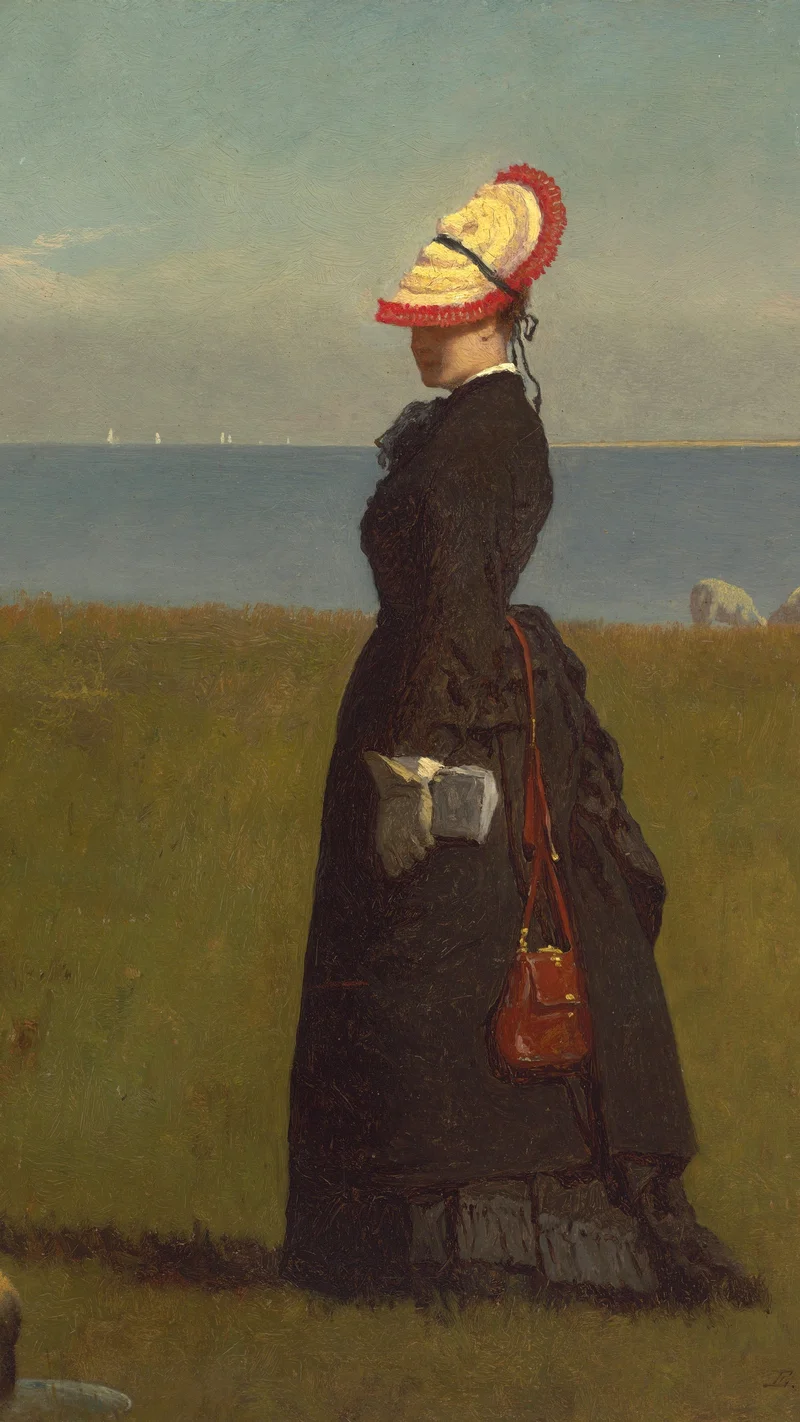
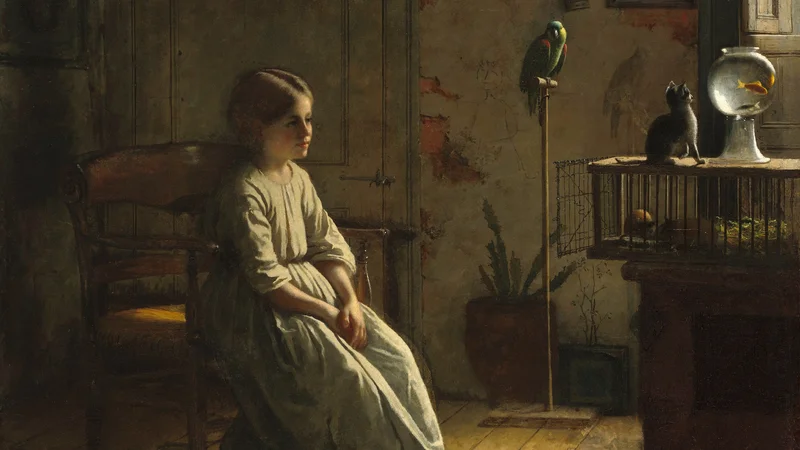
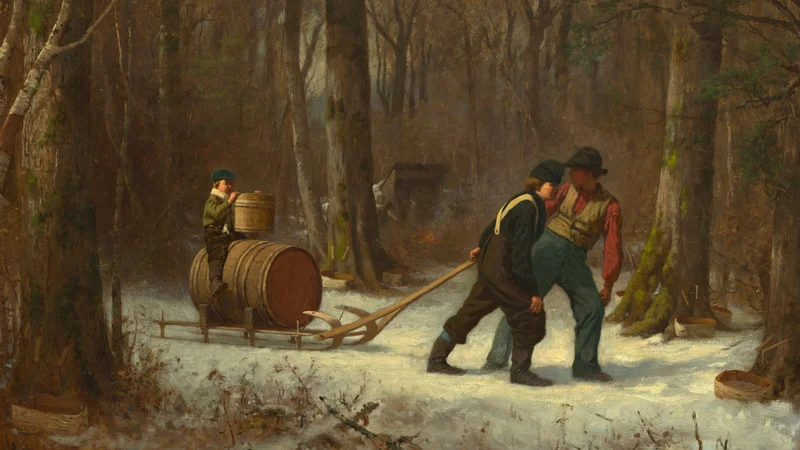
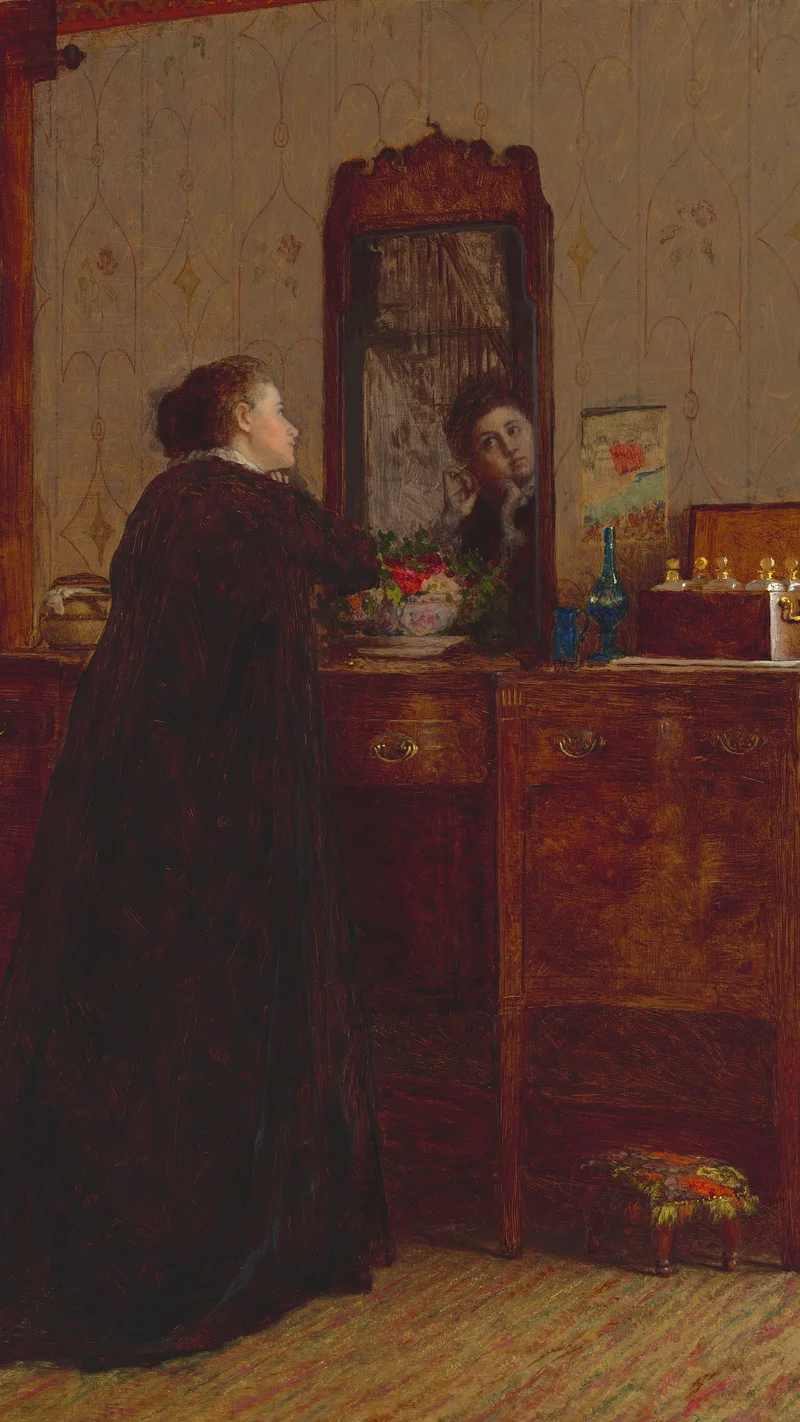
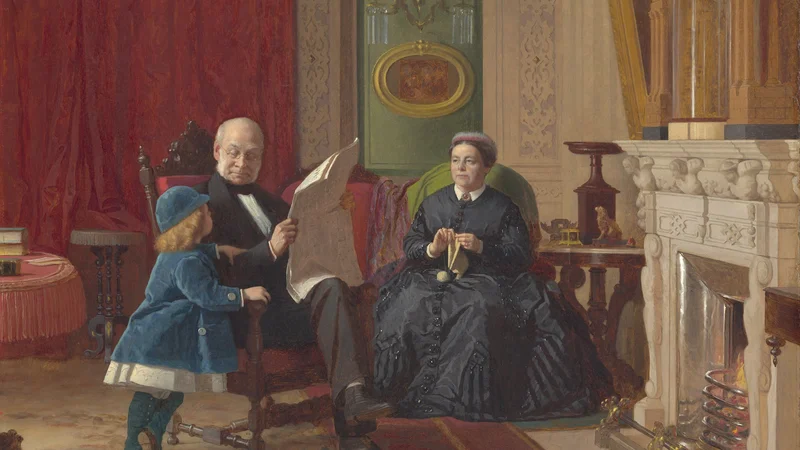
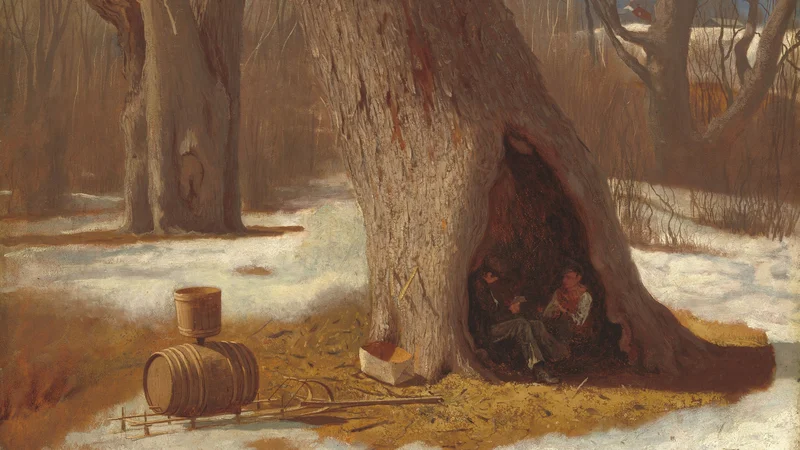
Johnson’s technical mastery is defined by his fluid handling of oil paint and a disciplined, naturalistic color palette that emphasized depth and atmospheric light. His ability to capture the nuance of human interaction is evident in works such as Gathering Lilies and The Early Scholar, where he employs careful draftsmanship to elevate everyday moments into subjects of historical gravity. In works like Woman and Child at Nantucket and The Brown Family, Johnson demonstrated a keen eye for character and setting, while paintings such as On Their Way to Camp and The Pets reveal his capacity for anecdotal storytelling tempered by formal rigor. His working methods often involved rigorous preparatory sketching, which allowed him to imbue his final canvases with a sense of spontaneity and psychological authenticity.
By documenting the social fabric of American life with profound sensitivity, Johnson played a vital role in shifting the focus of national art toward native subjects. His commitment to observational truth and his refinement of the genre tradition influenced a generation of American painters, ensuring his legacy as a critical observer of post-Civil War society. His body of work remains an essential record of the cultural and domestic transitions that defined the era.