Georges Seurat
14 artworks
Georges Seurat (1859–1891) was a French Post-Impressionist painter whose rigorous approach to color theory and optics fundamentally altered the trajectory of modern art. Trained at the École des Beaux-Arts, Seurat sought to move beyond the spontaneous, fleeting observations of the Impressionists, replacing them with a structured, scientific foundation rooted in the principles of divisionism. His short but intensely productive career, spanning the late 19th century, established him as a pioneer of a new, systematic aesthetic that prioritized rational composition and optical precision.
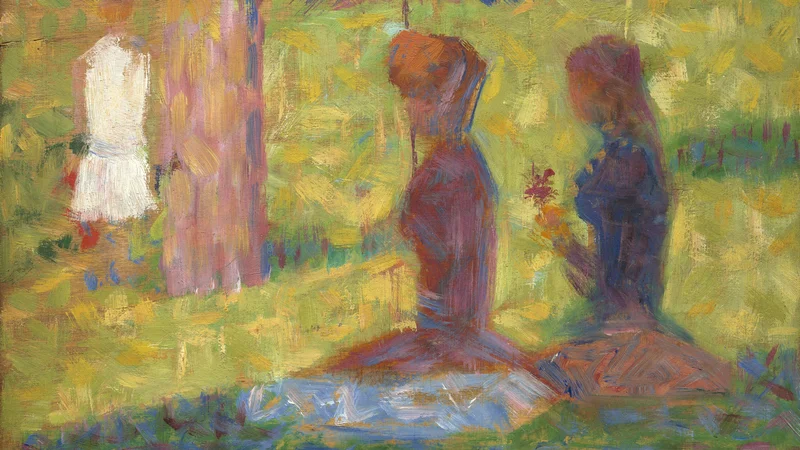
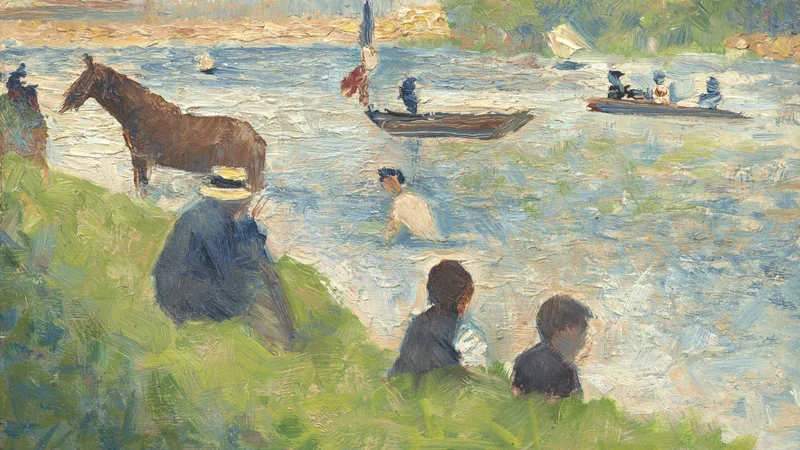
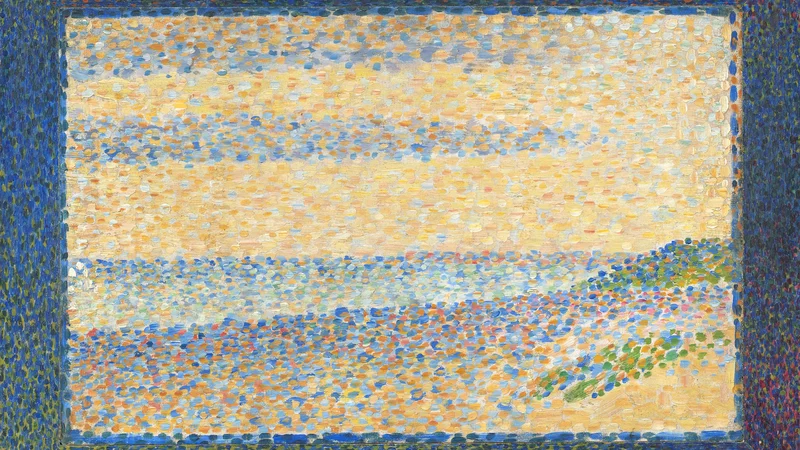
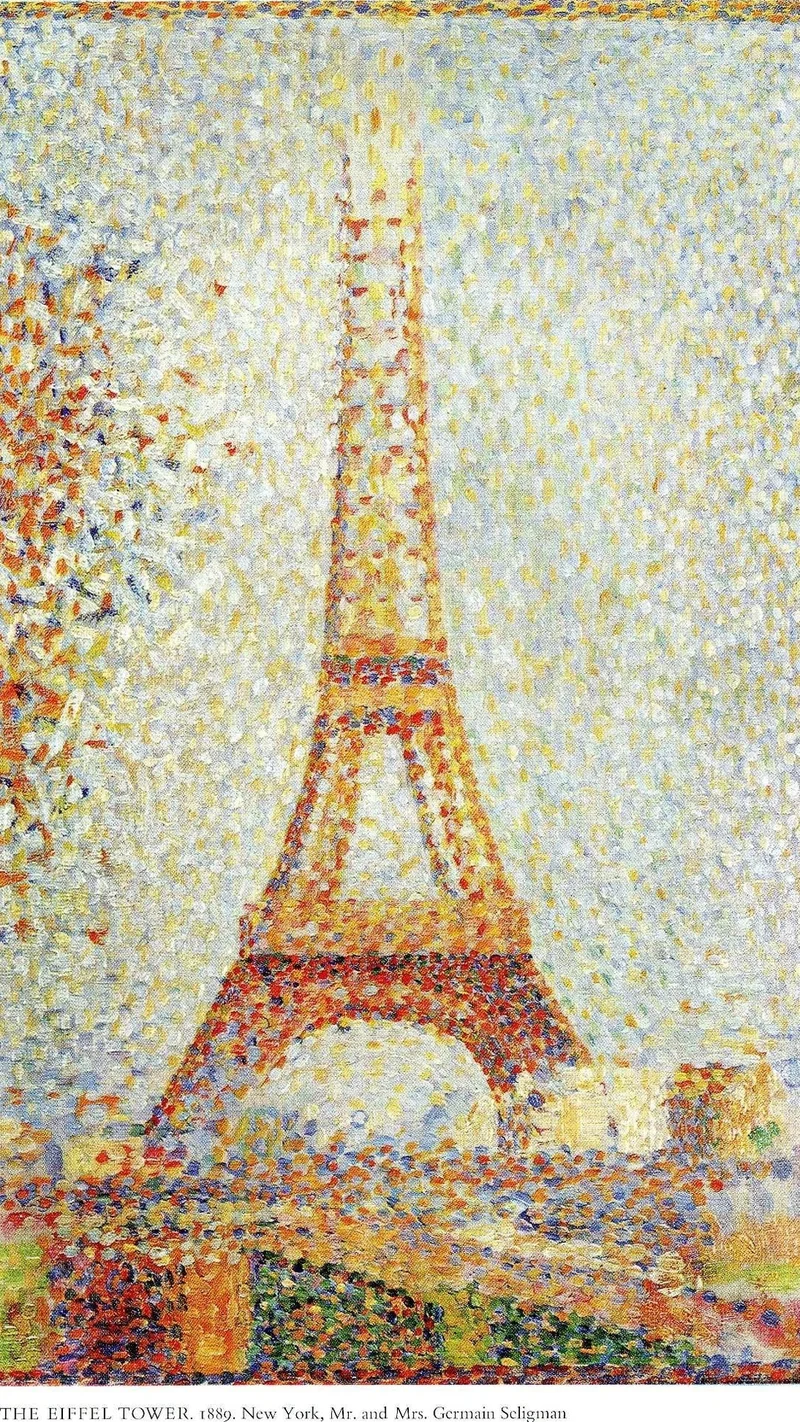
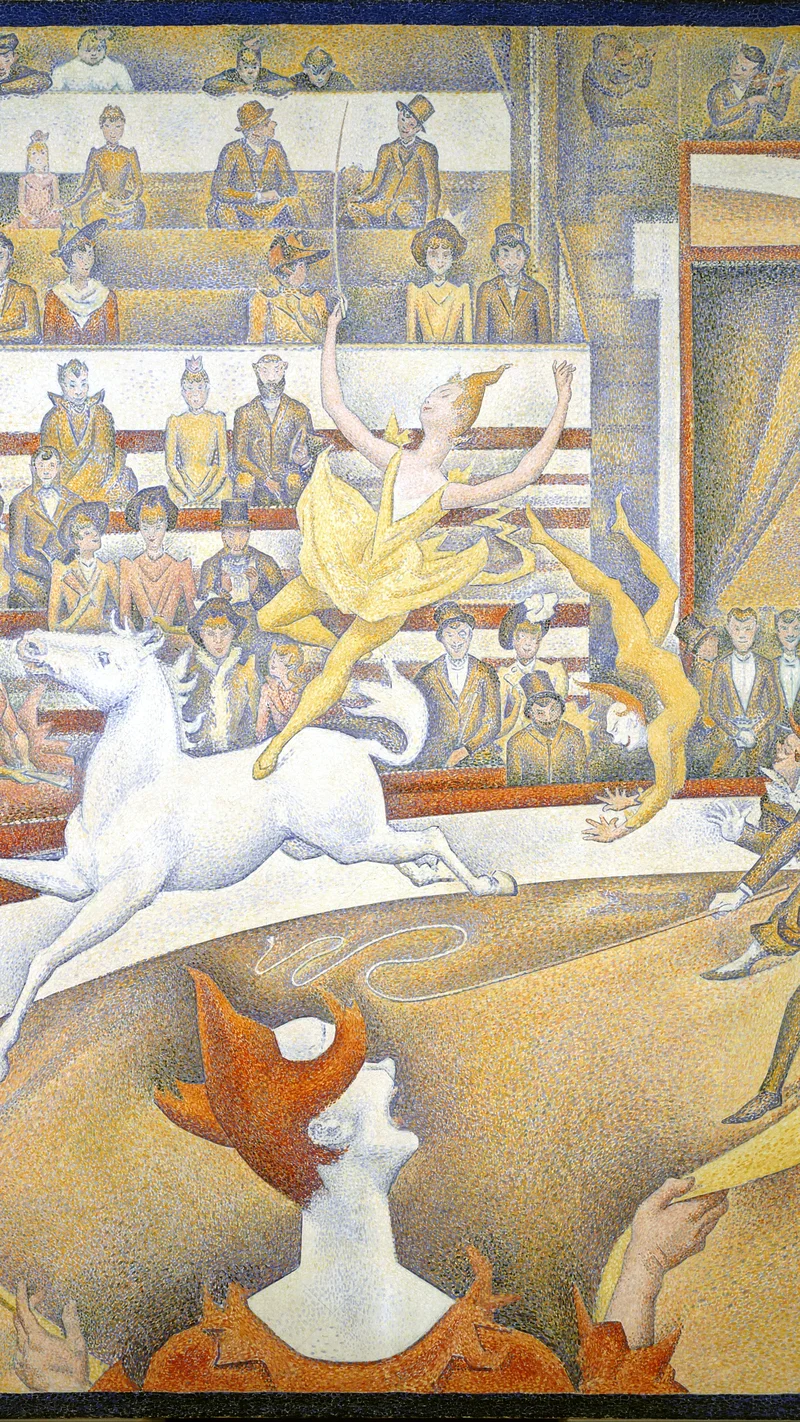
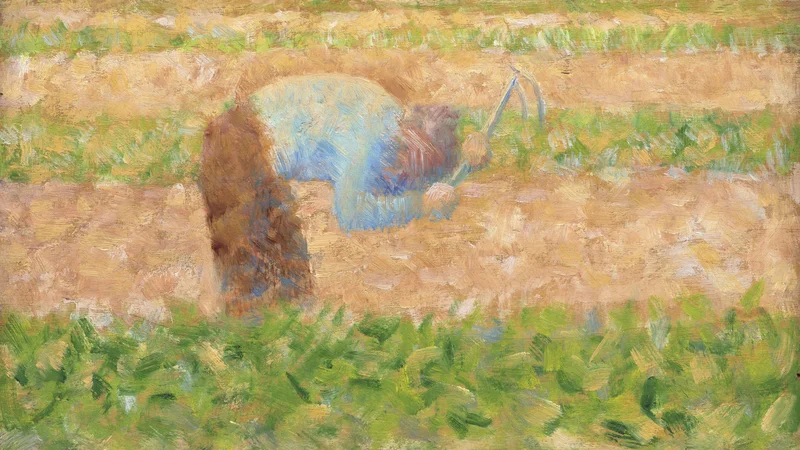
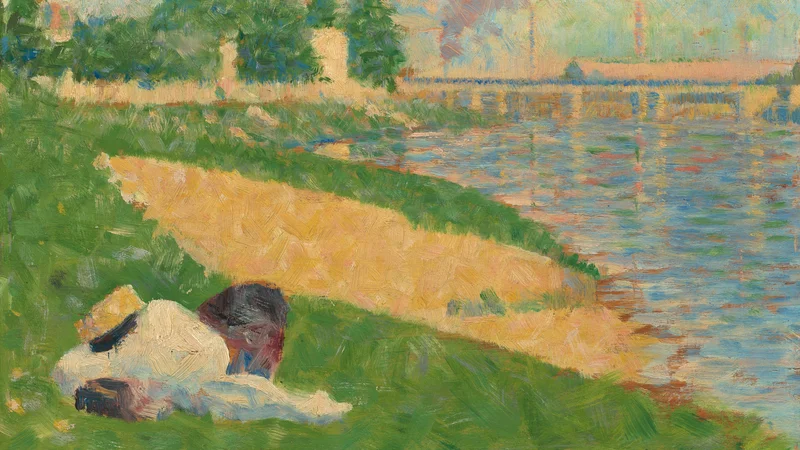
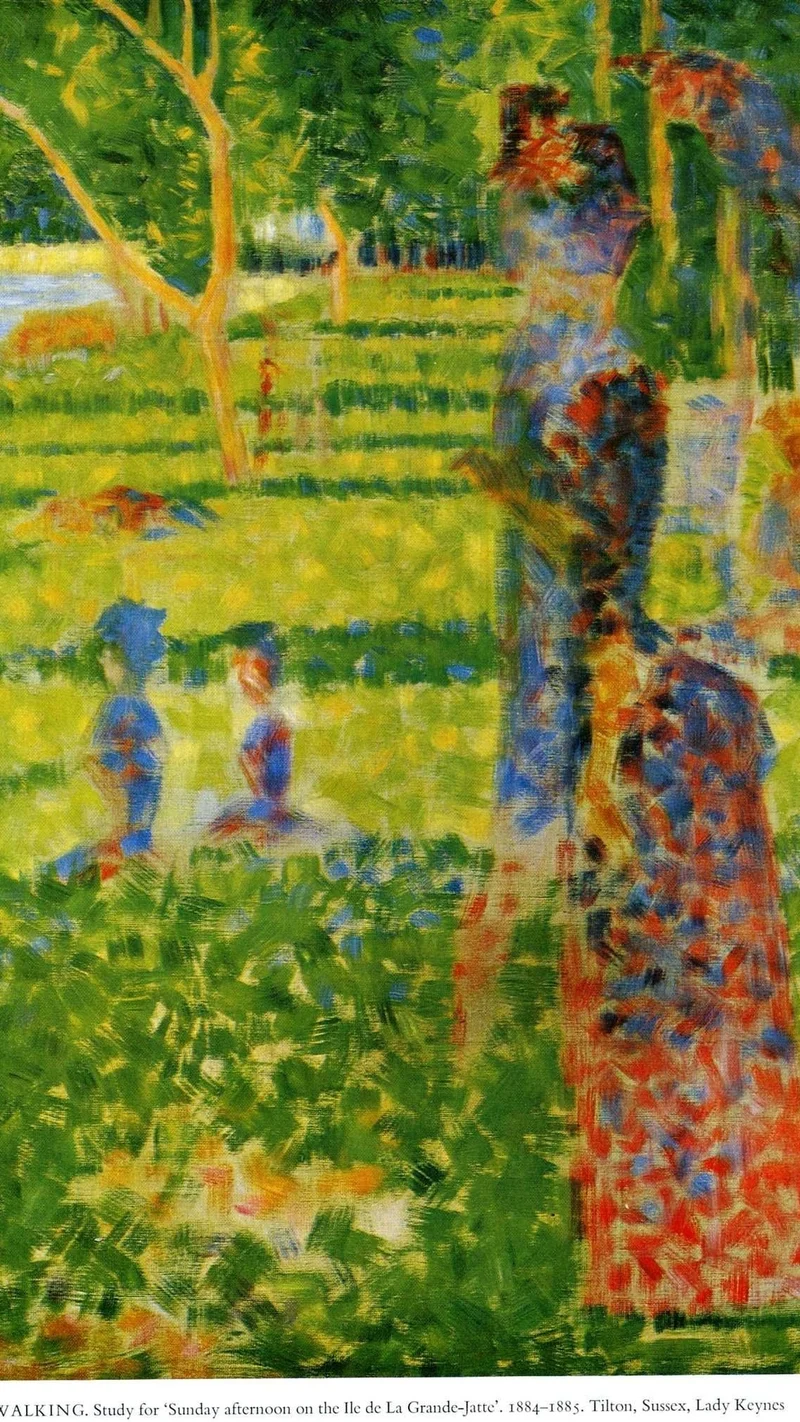
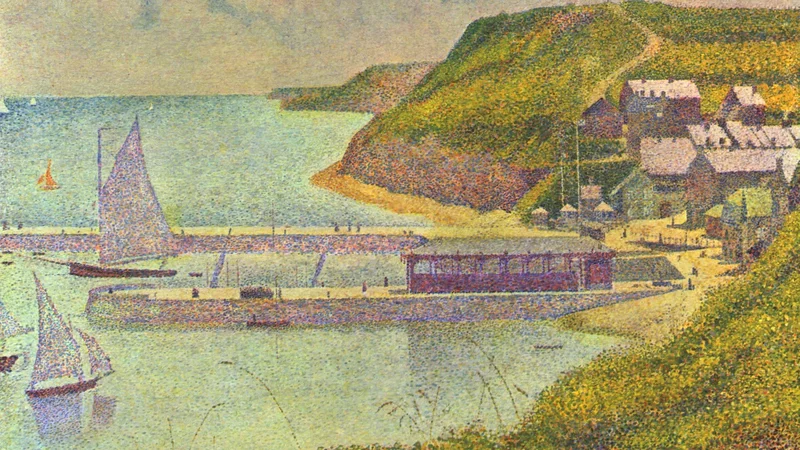
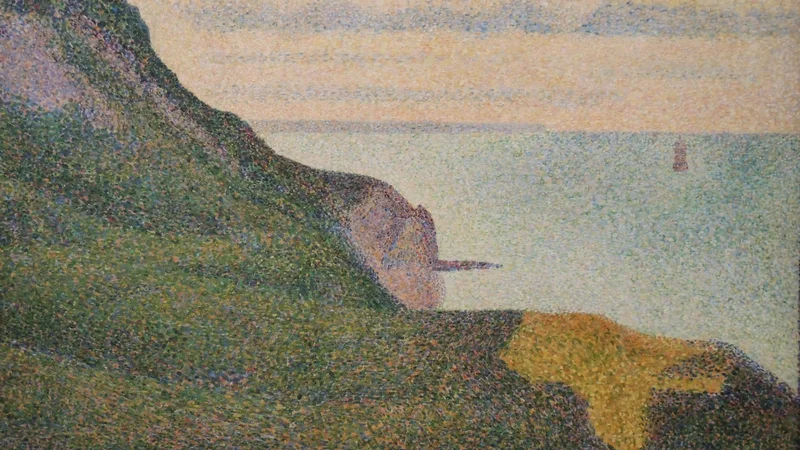
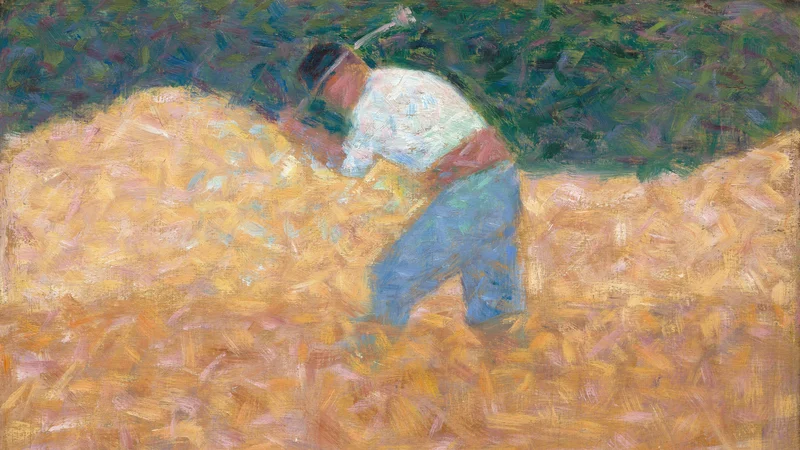
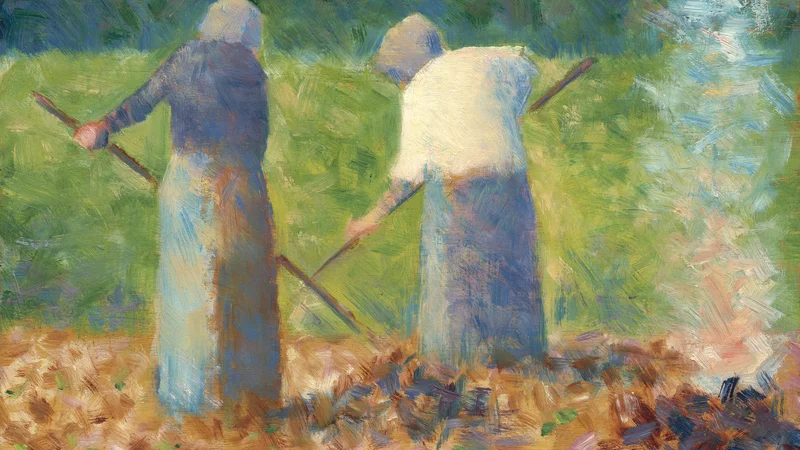
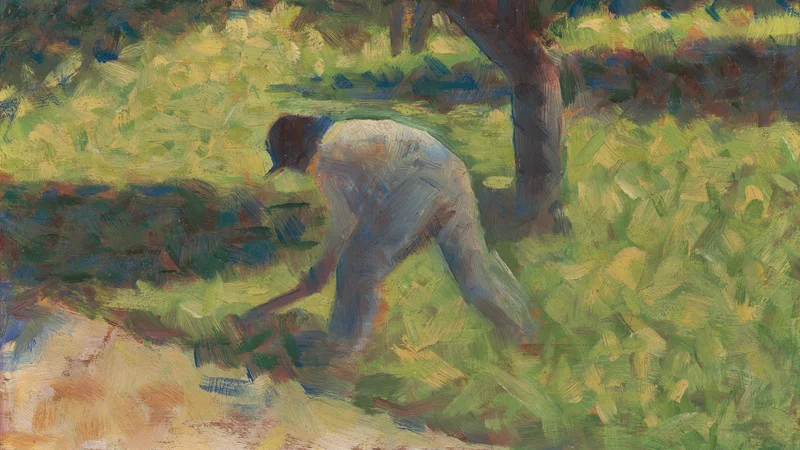
Central to his practice was Pointillism, a technique involving the application of tiny, distinct dots of color that mix in the eye of the viewer rather than on the palette. This meticulous method is evident in his preparatory studies, such as Study of Figures for A Sunday Afternoon on the Island of La Grande Jatte and Horse and Boats (Study for "Bathers at Asnières"), which demonstrate his deep engagement with form and light. His diverse body of work ranges from the rural tranquility of Haymakers at Montfermeil and Man with a Hoe to the precise maritime atmospheric effects in Port-en-Bessin, outer harbour, high tide. His final works, such as The Circus, reflect a sophisticated maturation of this style, emphasizing rhythmic movement and complex chromatic arrangements.
Seurat’s legacy lies in his role as the father of Neo-Impressionism, an movement that paved the way for the development of Fauvism and Cubism. By synthesizing color theory with classical draftsmanship, he provided a framework that allowed future generations to explore the autonomy of color and the architectural potential of the canvas. His dedication to structural clarity and his intellectual rigor remain cornerstone elements of Western art history, distinguishing him as a foundational figure in the transition toward modernism.