Gustave Courbet
6 artworks
Gustave Courbet (1819–1877) was a French painter who spearheaded the Realism movement during the 19th century, rejecting the prevailing constraints of Academic art and Romanticism. Born in Ornans, Courbet sought to represent the physical reality of his subjects with uncompromising integrity. His transition from traditional historical themes to the unadorned observation of everyday life and the natural world fundamentally altered the trajectory of modern European painting, prioritizing direct experience over idealized narrative.
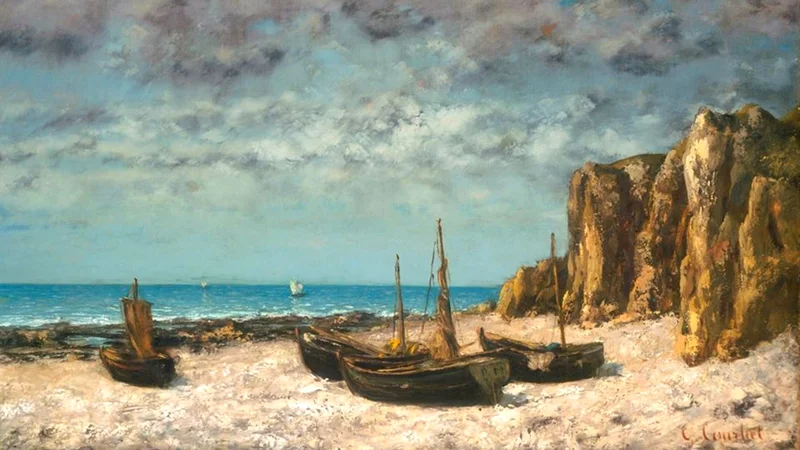
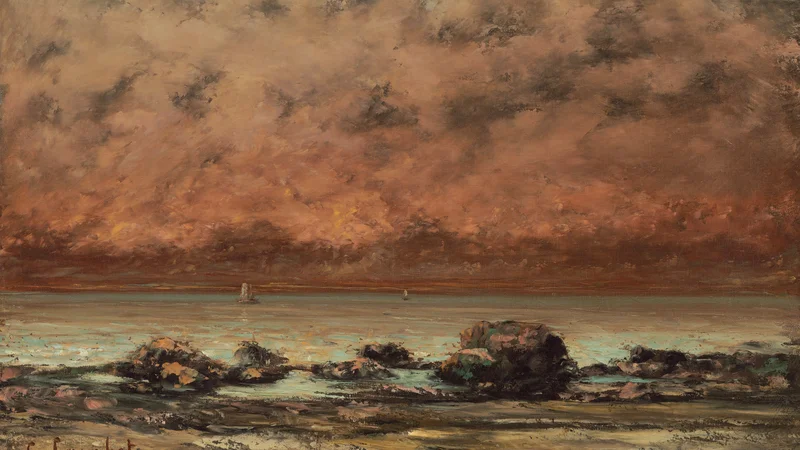
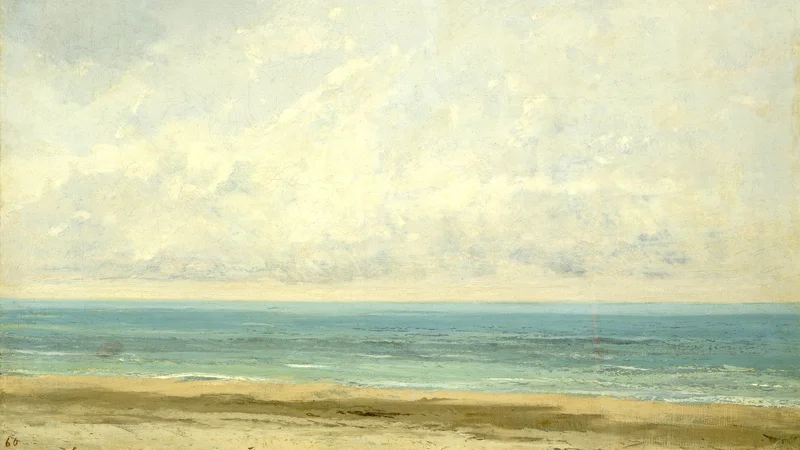
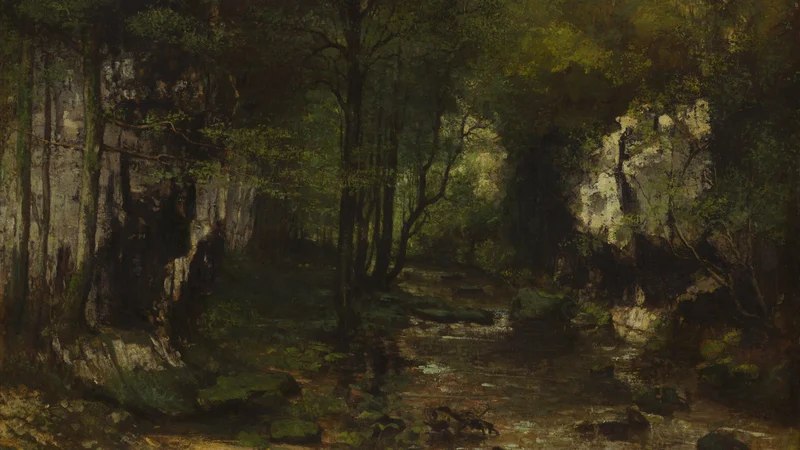
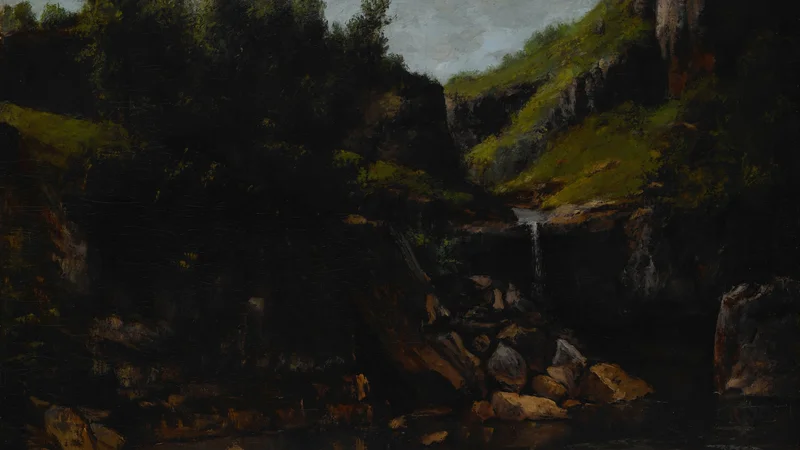
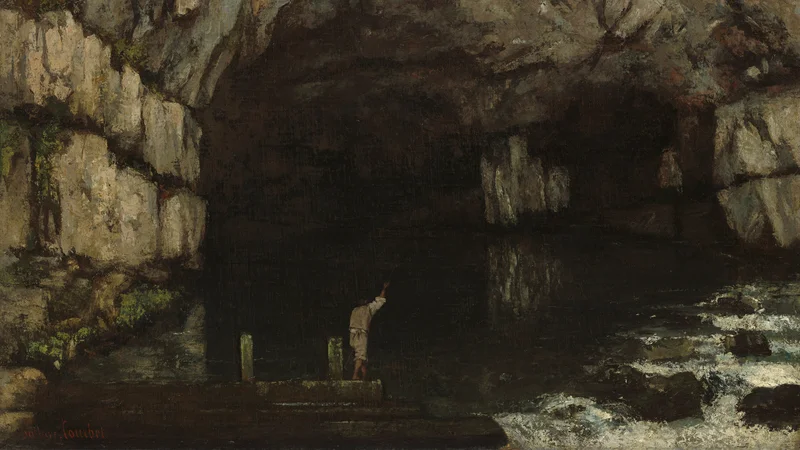
Courbet’s working methods were characterized by a robust application of paint, often utilizing palette knives to build rich, tectonic layers of texture that gave his surfaces a tangible, geological weight. This tactile approach is evident in his evocative landscapes, such as The Source of the Loue and The Stream (Le Ruisseau du Puits-Noir; vallée de la Loue), where his deep knowledge of the Franche-Comté region informed his rugged brushwork. In maritime works like Boats on a Beach, Calm Sea, and The Black Rocks at Trouville, Courbet employed a nuanced, earthy palette to capture the atmospheric conditions of the coast. His technical command is further exemplified in Cascade in a Rocky Landscape, which demonstrates his ability to translate the chaotic movement of water and stone into a structured, cohesive composition.
By insisting that art should reflect the tangible world, Courbet challenged the social and aesthetic hierarchies of his time. His dedication to portraying the raw specificity of light, texture, and topography laid the essential groundwork for the Impressionists and subsequent generations of painters. His legacy remains defined by a commitment to empirical observation, which dismantled the barrier between the artist and the physical environment, establishing the painter as an objective witness to the contemporary world.