Paul Signac
11 artworks
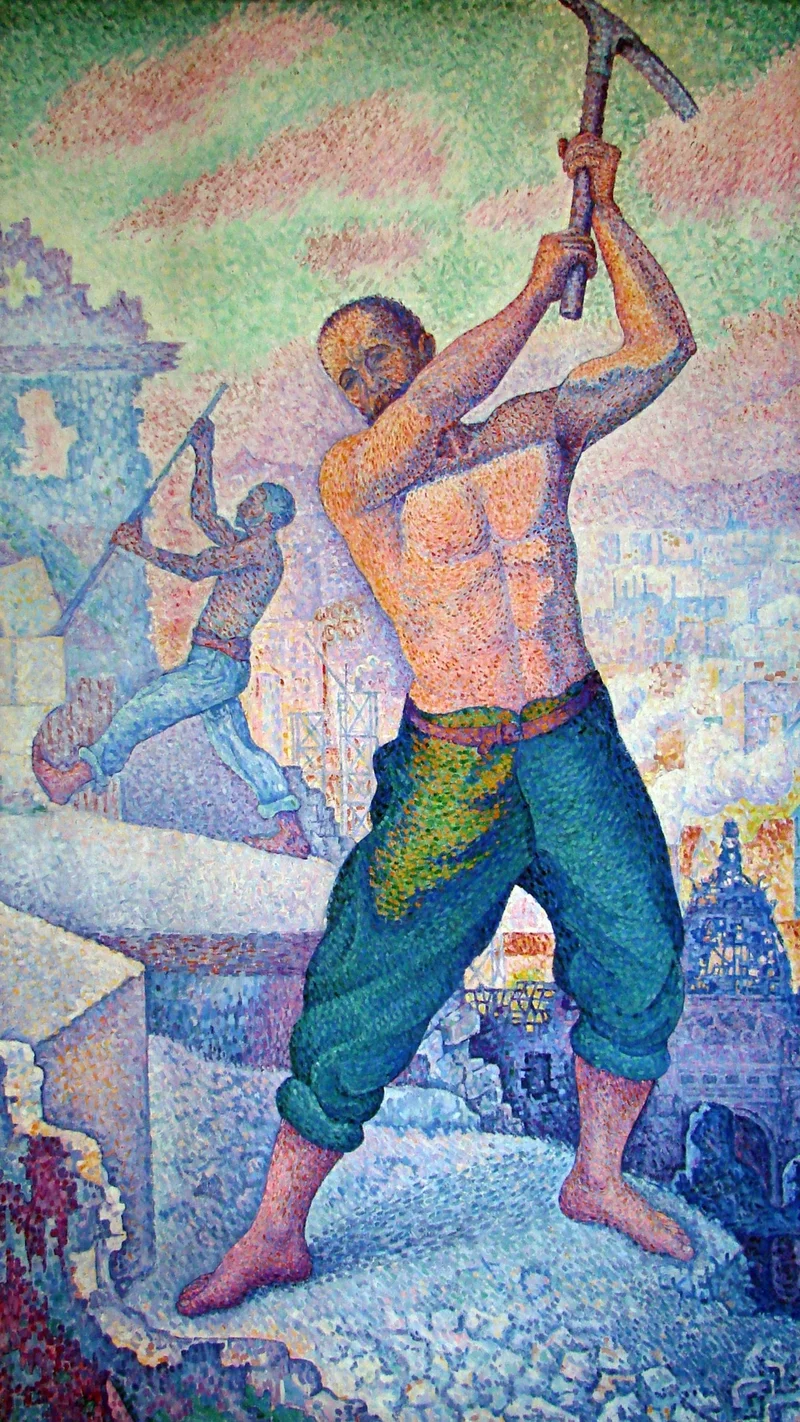
Paul Signac (1863–1935) was a prominent French Neo-Impressionist painter who played a central role in the development of Pointillism. After an early engagement with Impressionism, he adopted the rigorous color theory popularized by Georges Seurat. Signac's commitment to the systematic application of pigment transformed the landscape tradition, shifting focus from spontaneous observation to a scientifically grounded method of luminous color construction. His career matured significantly through the early 20th century, with notable activity defining his later stylistic shifts in 1892, 1919, and 1921.
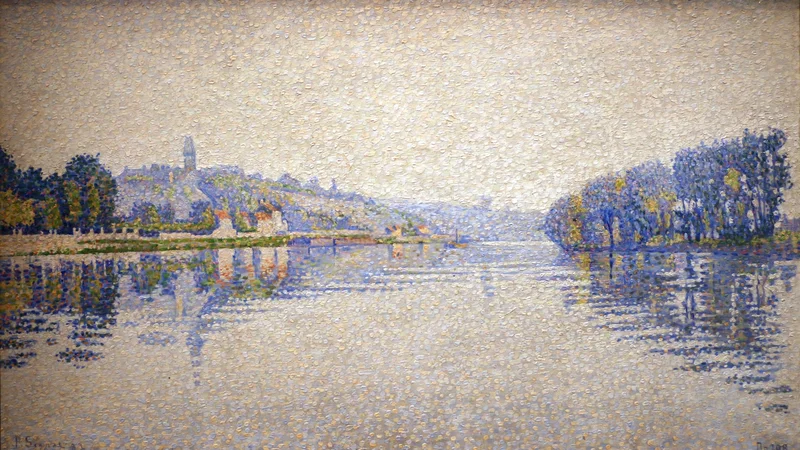
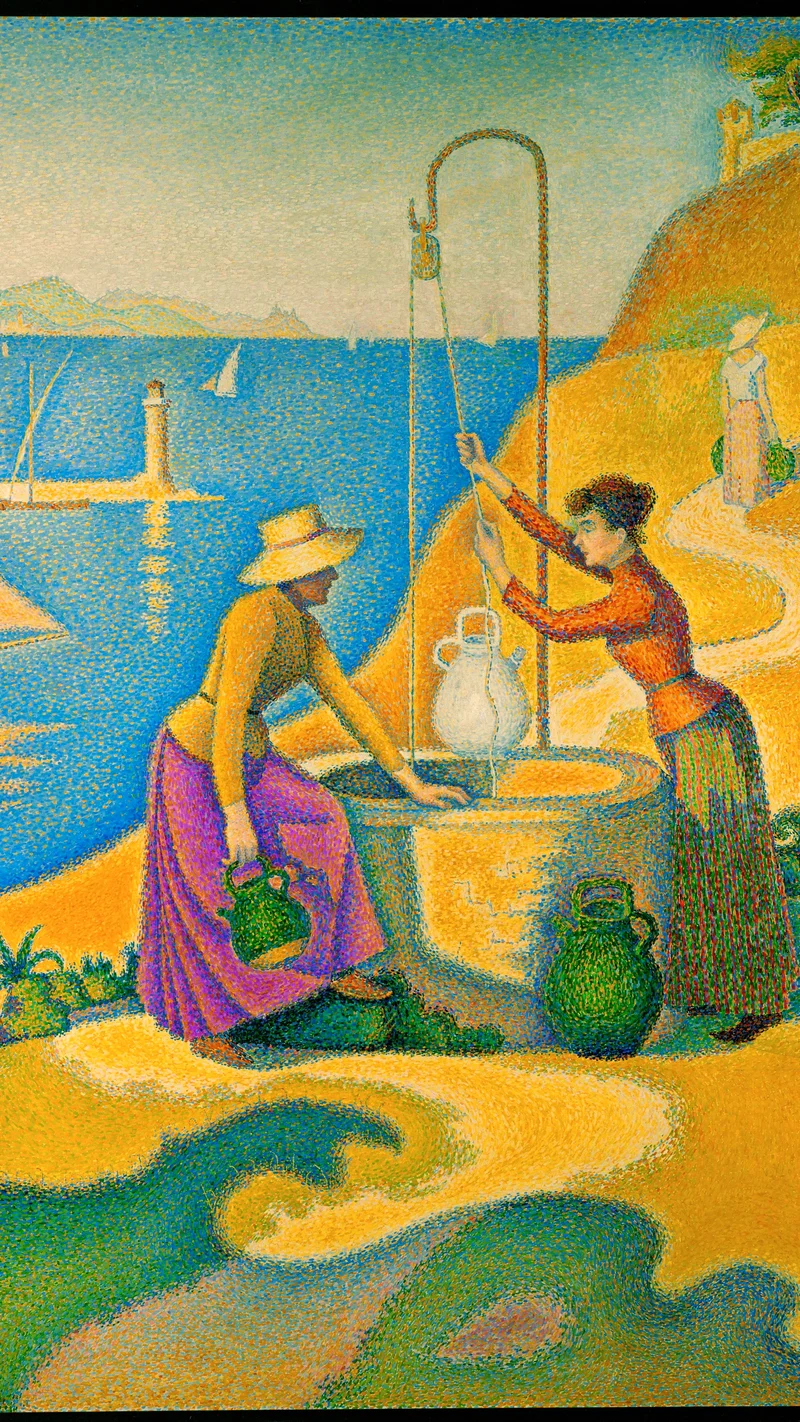
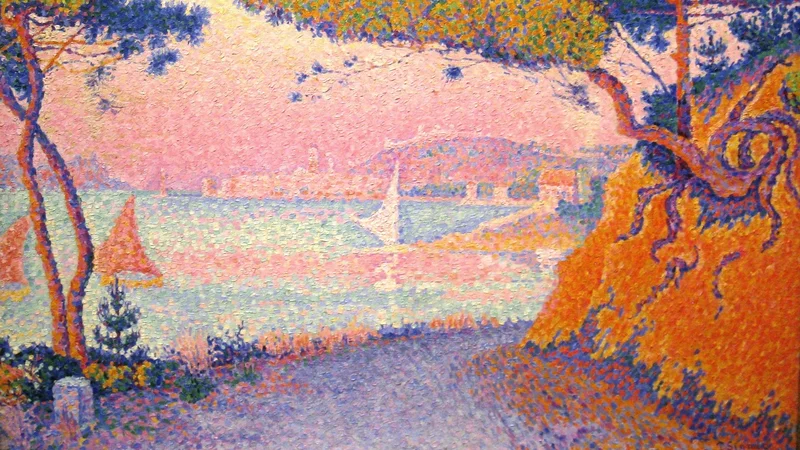
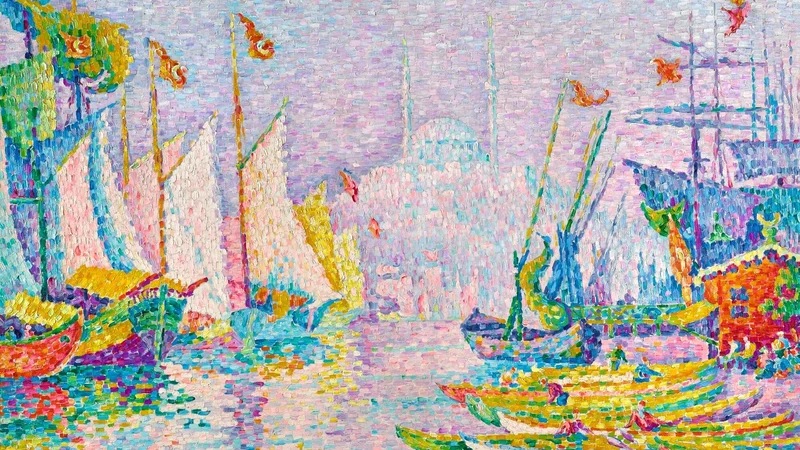
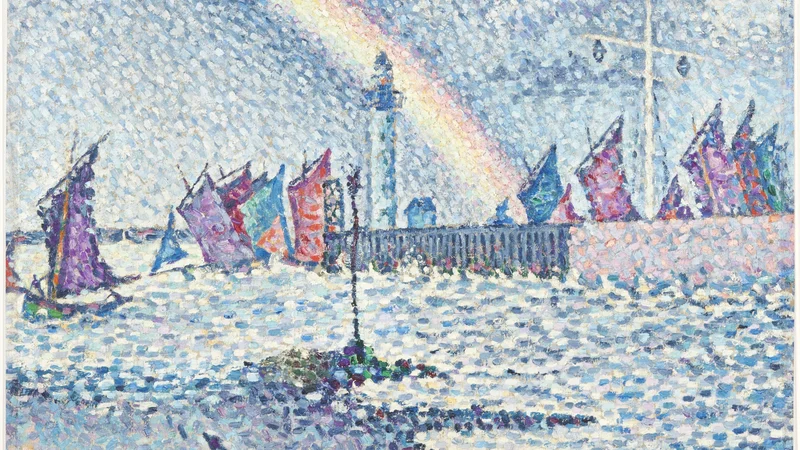
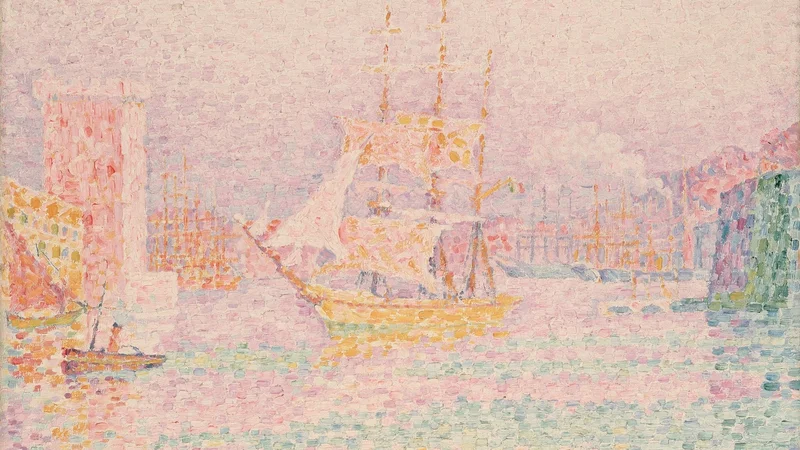
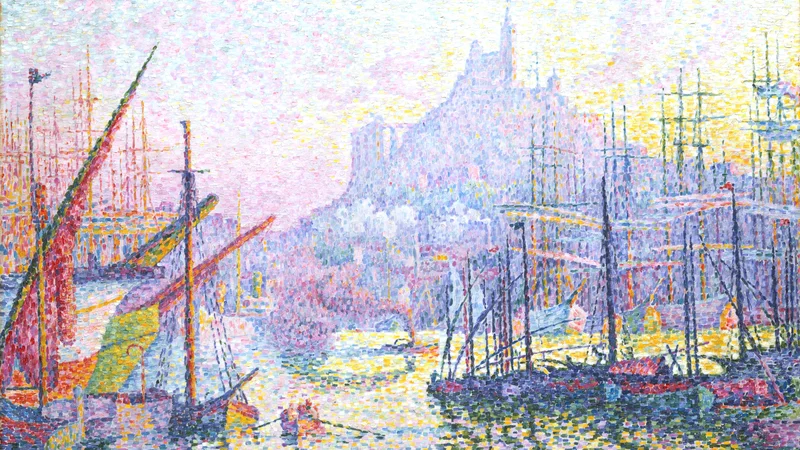
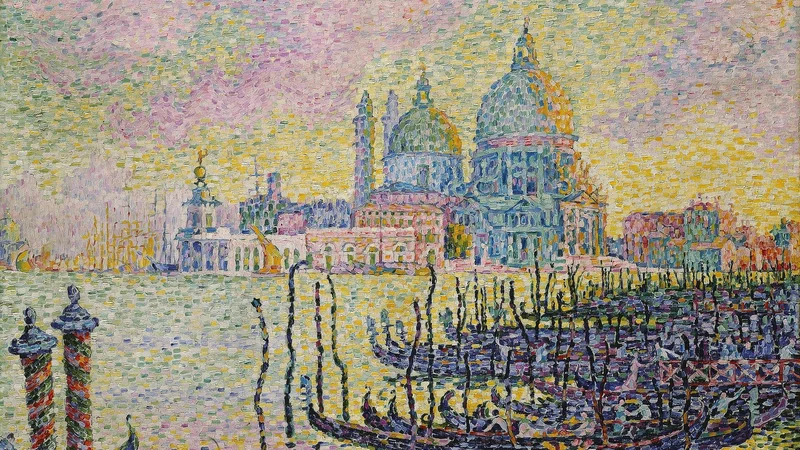
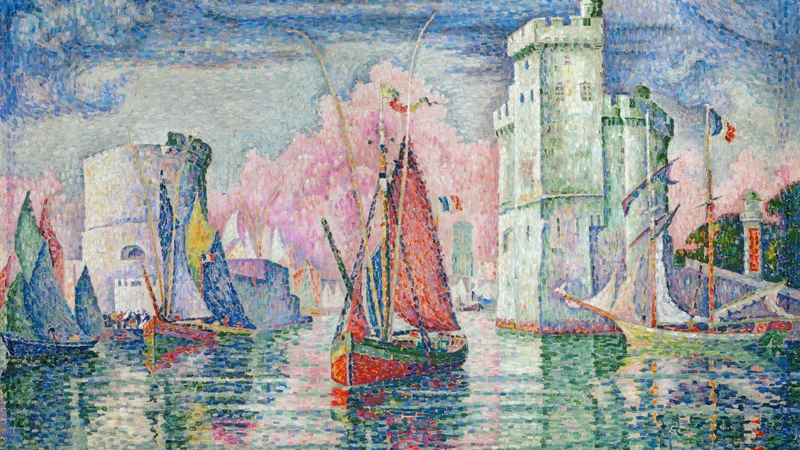
Signac’s technique relied on the juxtaposition of distinct dots of pure color, intended to blend optically in the viewer’s eye. His subject matter was deeply tied to the maritime landscape, which allowed him to explore the reflection of light on water. His mastery of this technique is evident in works such as The Golden Horn. Morning and Entrance of La Rochelle Harbor, where color vibrations capture the atmospheric qualities of the port. Other significant compositions, including Banks of the Seine at Herblay, Still Life with Jug, Women at the Well, and Entrance to the Port of Honfleur, demonstrate his evolution toward larger, more mosaic-like brushwork, prioritizing formal harmony over minute detail.
As a theorist and author of the seminal text D'Eugène Delacroix au néo-impressionnisme, Signac solidified the historical importance of the movement. His influence extended beyond his own canvases, as he mentored subsequent generations and provided a theoretical framework for modern color theory. His dedication to the structural integrity of the painted surface remains a defining contribution to the history of Western art, marking a departure from traditional representation toward the expressive, non-representational use of light and pigment.