Pierre-Auguste Renoir
6 artworks
Pierre-Auguste Renoir (1841–1919) was a central figure of the Impressionist movement, whose career marked a transformative shift in French painting during the late 19th century. Initially apprenticed as a porcelain painter, Renoir honed a sensitivity to color and decorative form that would later define his contribution to modern art. Throughout his most active years, particularly during the late 1870s and early 1880s, he moved beyond academic rigors to capture the fleeting nuances of light and the social vibrancy of Parisian life, establishing himself as a vital practitioner of a new visual language.
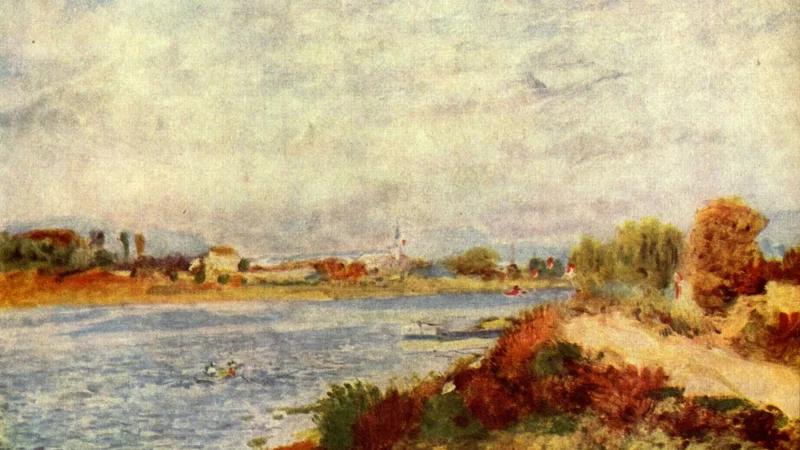
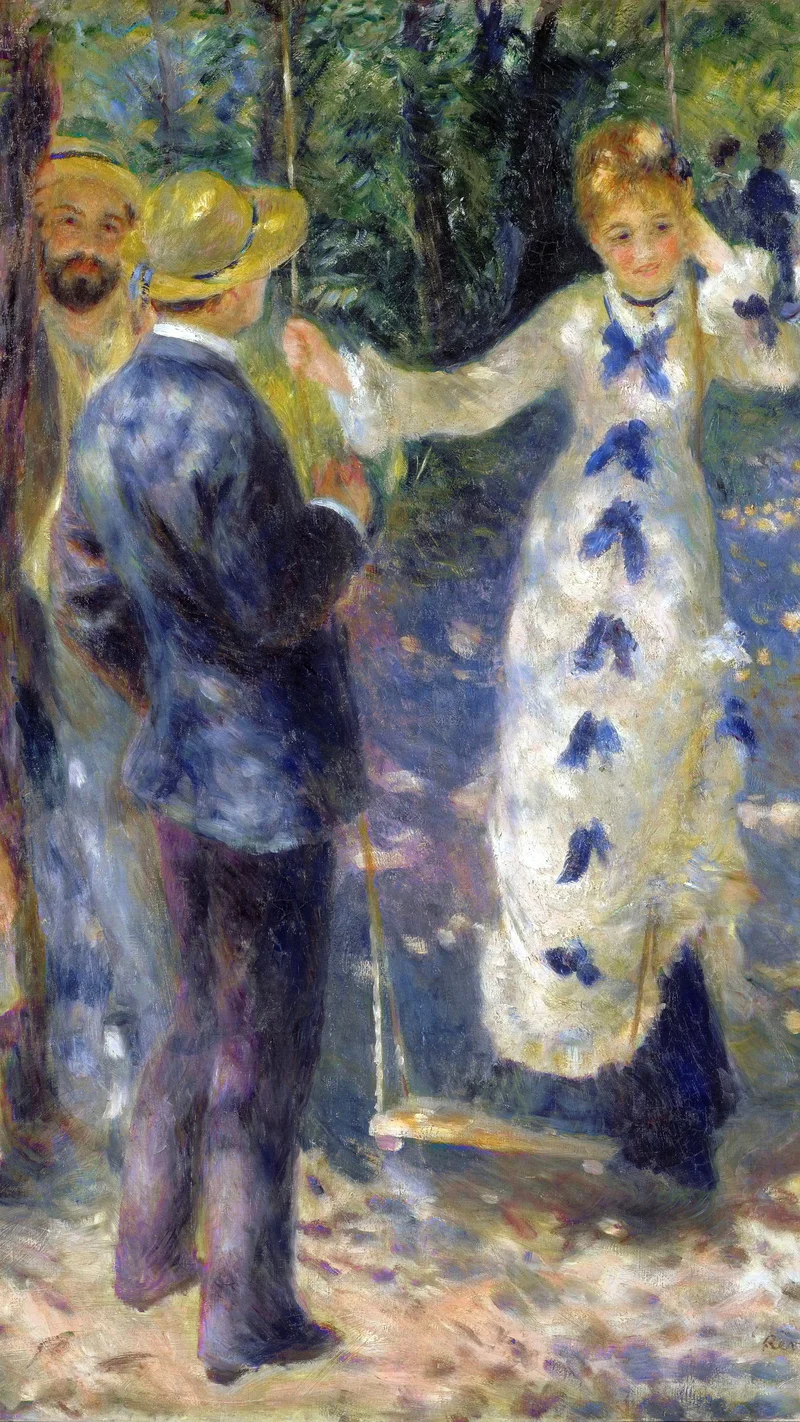
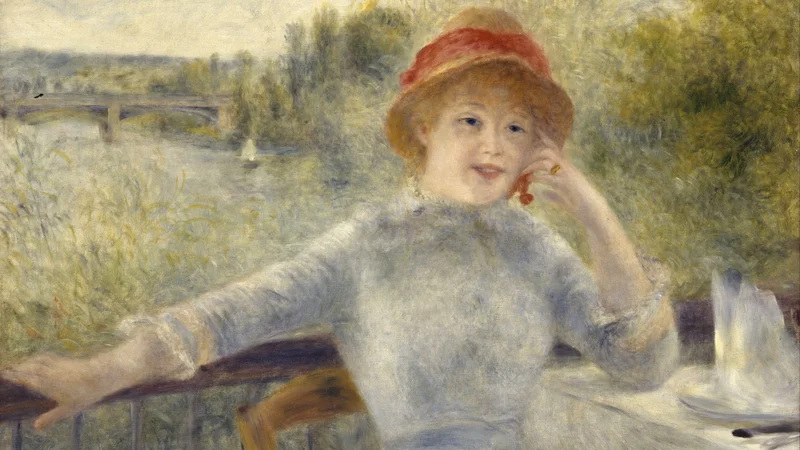
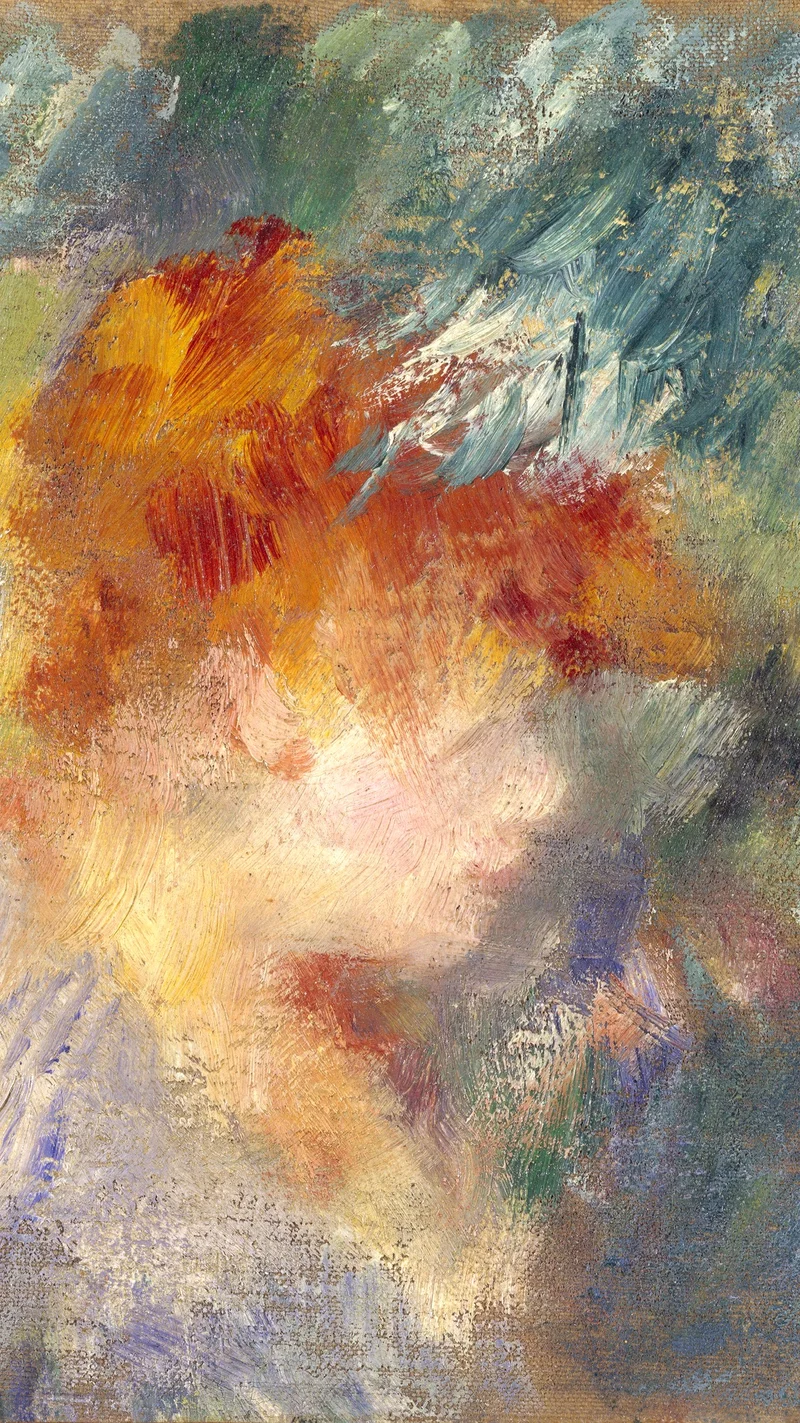
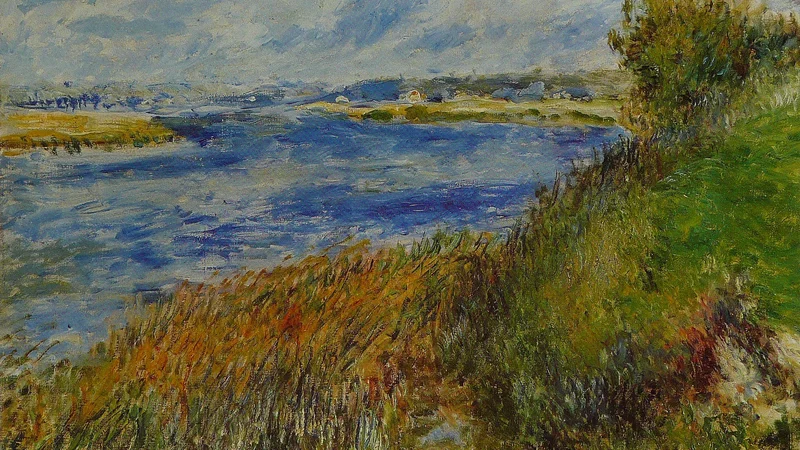
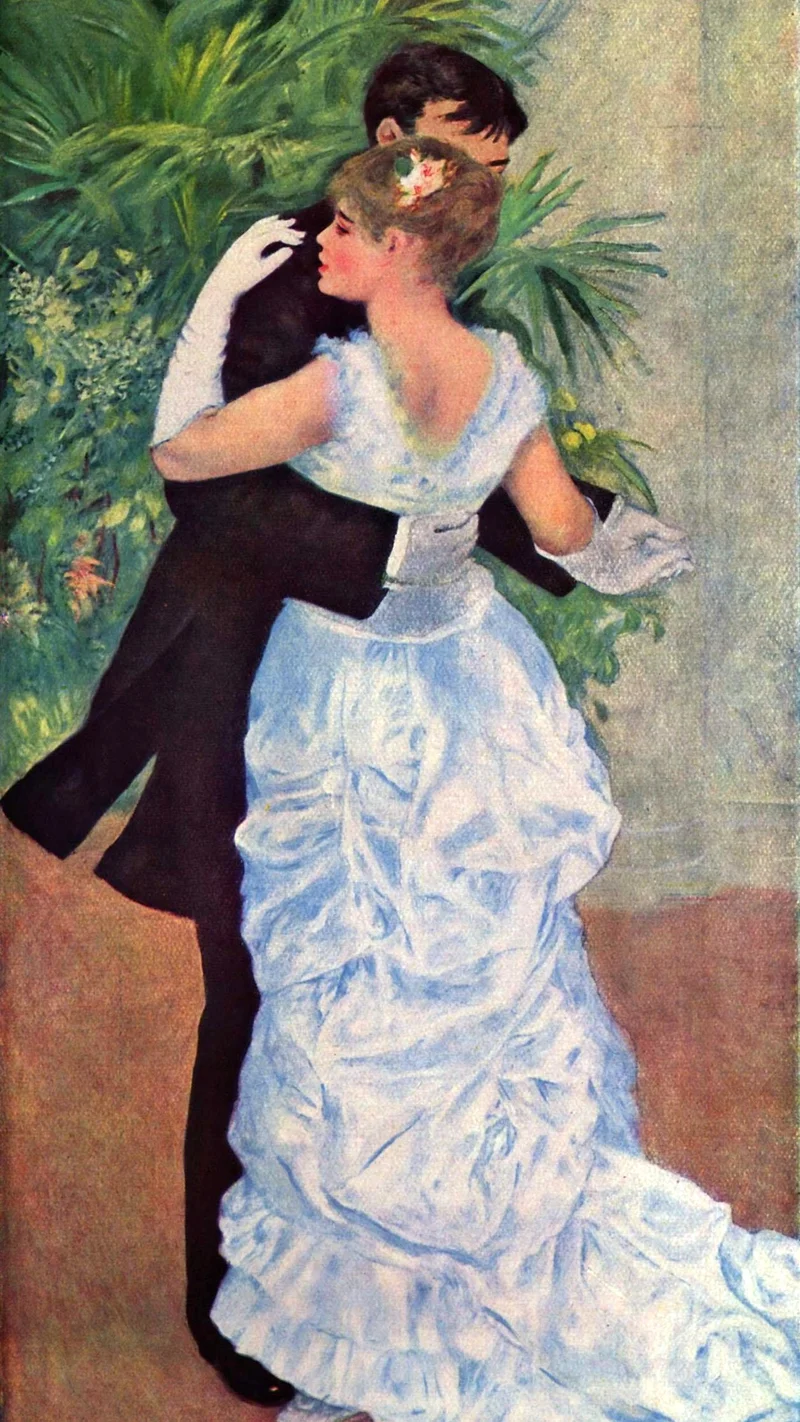
Renoir’s technical approach is characterized by a fluid, rhythmic application of pigment that emphasizes the luminosity of his subjects. His mastery of composition is evident in the dappled sunlight of The Swing and the social dynamism of Dance in the City, where he balances structured figures with a soft, atmospheric haze. His landscape studies, such as The Seine at Argenteuil and The Seine at Champrosay, reveal a disciplined observation of topographical light, while his portraiture—exemplified by Alphonsine Fournaise and Jeanne Samary—prioritizes the psychological warmth and textured vitality of his sitters over rigid anatomical precision. These works demonstrate an acute understanding of how light interacts with skin and fabric, creating an enduring sense of tactile immediacy.
By prioritizing sensory experience and the emotional resonances of everyday scenes, Renoir fundamentally altered the trajectory of figurative art. His legacy lies not only in his formal experimentation but in his ability to imbue the transient moments of modern existence with a sense of permanence. Through his expansive body of work, he bridged the gap between traditional techniques and the burgeoning avant-garde, ensuring that his influence persisted as a cornerstone of late nineteenth-century aesthetics.