Pietro Perugino
7 artworks
Pietro Perugino (c. 1448–1523) was an Italian painter of the High Renaissance whose work played a pivotal role in shaping the artistic landscape of Central Italy. Trained in the workshops of Florence, likely under Andrea del Verrocchio, Perugino developed a refined, lyrical style that emphasized clarity of form and depth of space. His career was marked by significant activity in Rome and Florence between 1481 and 1500, periods during which he established a standard of equilibrium and grace that came to define the Umbrian school.
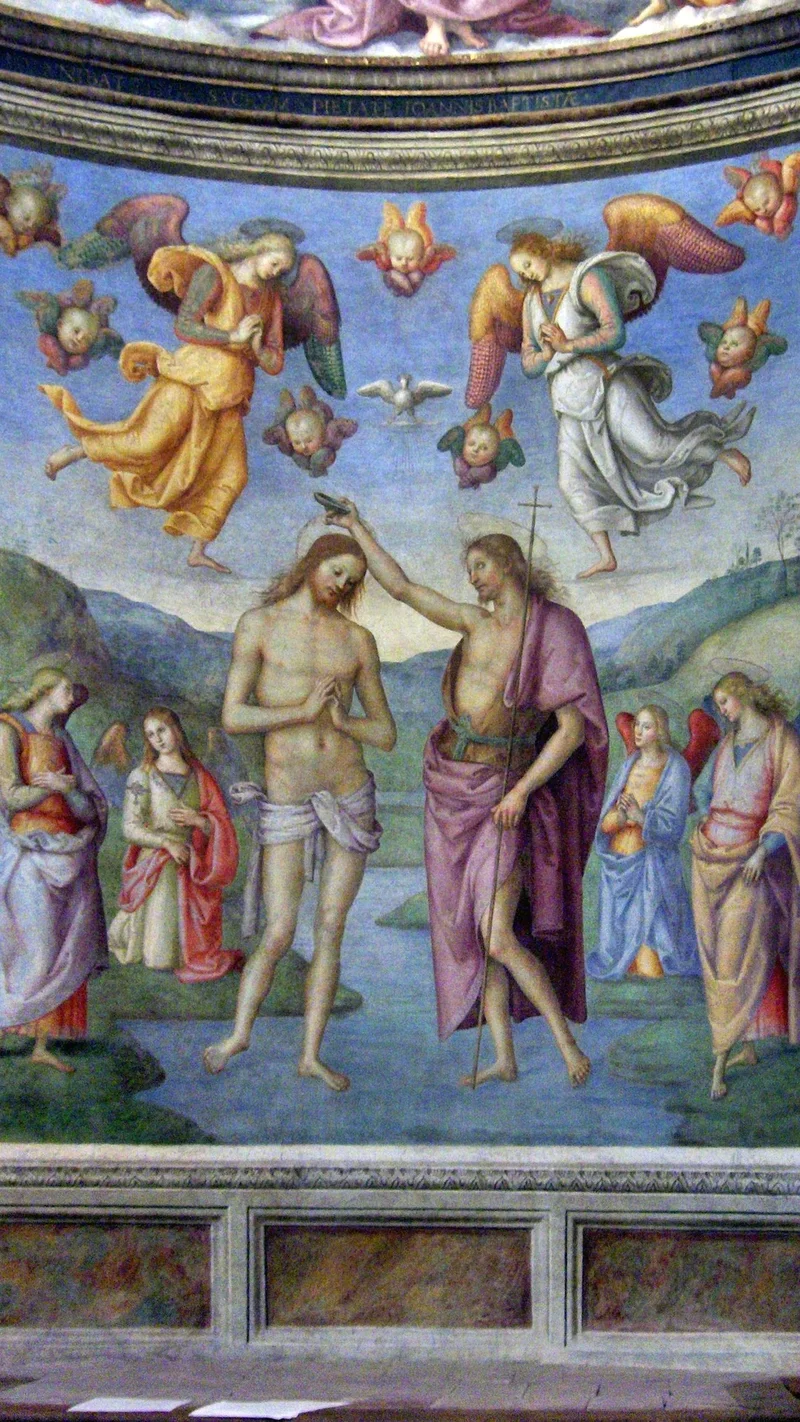
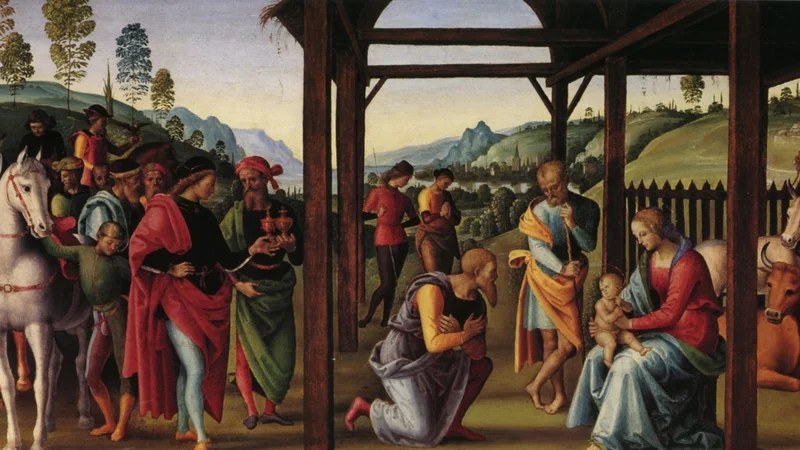
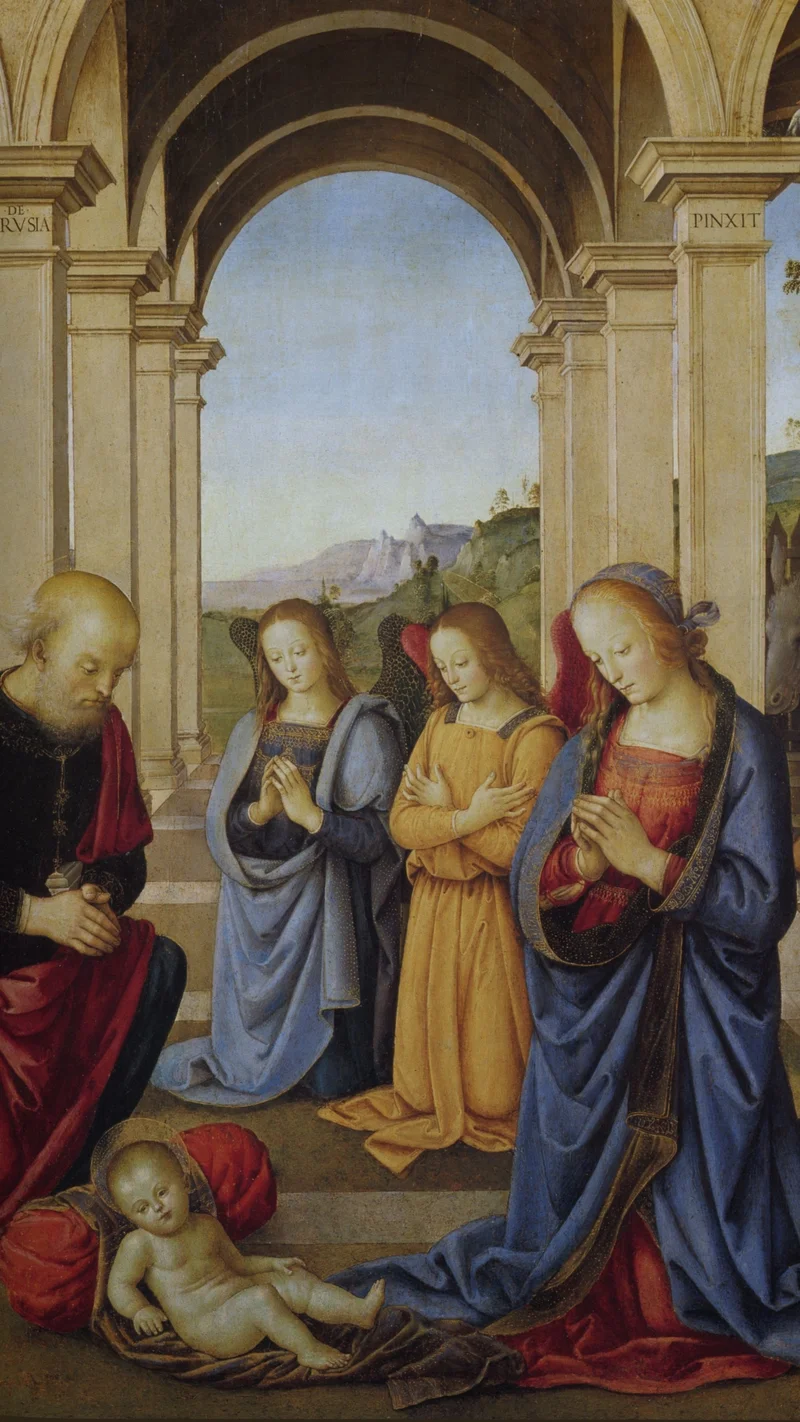
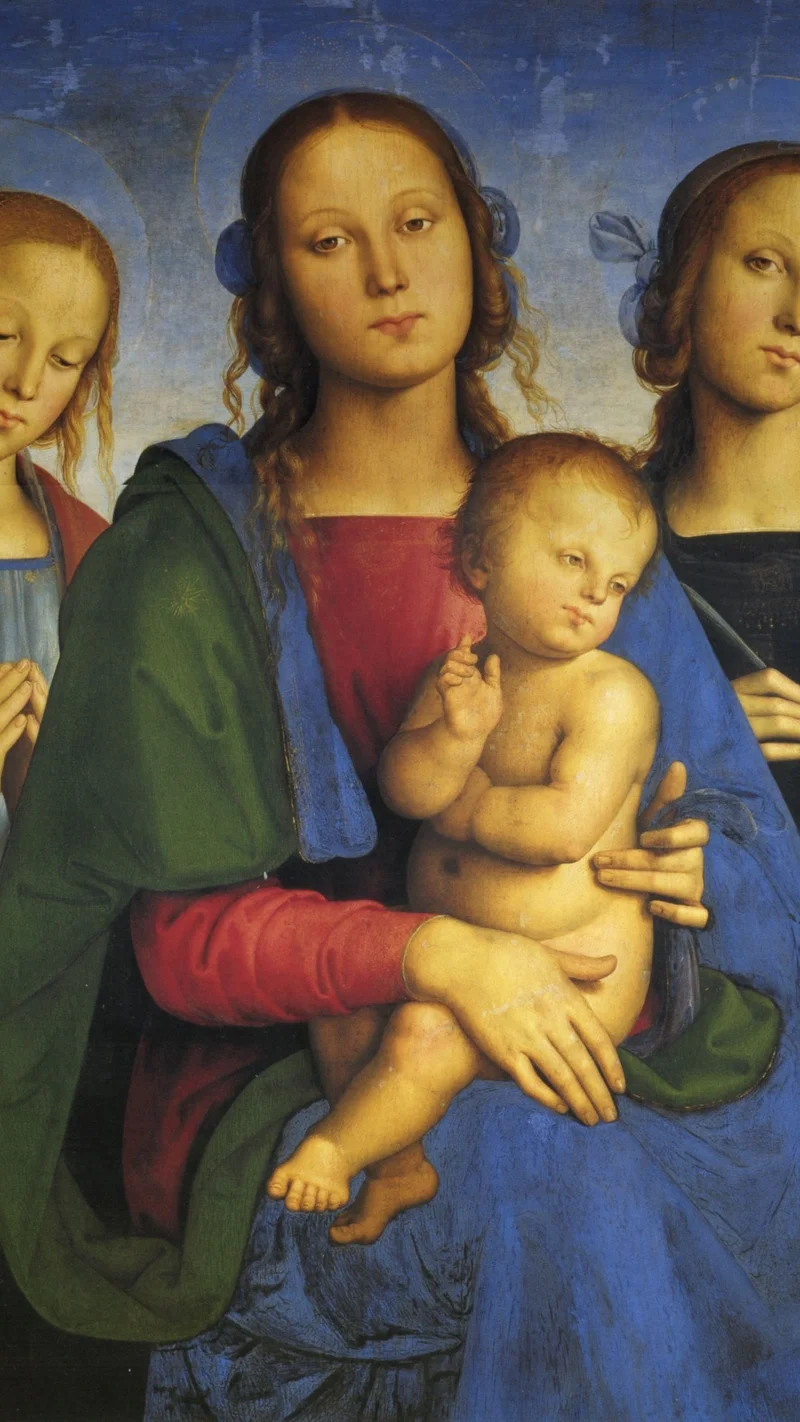
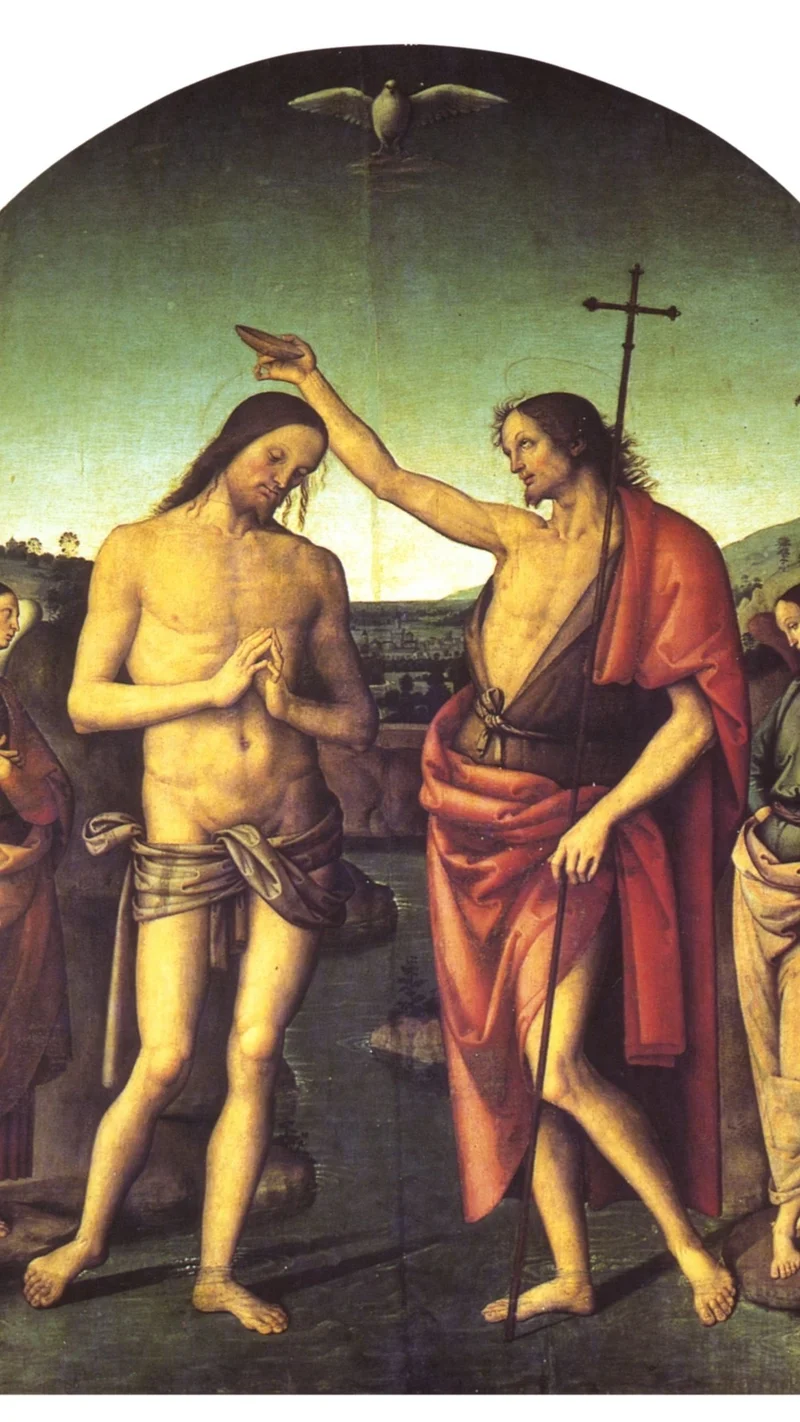
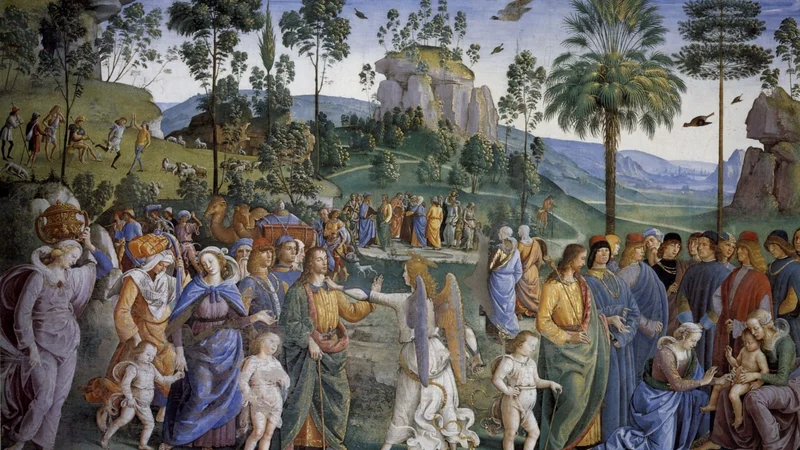
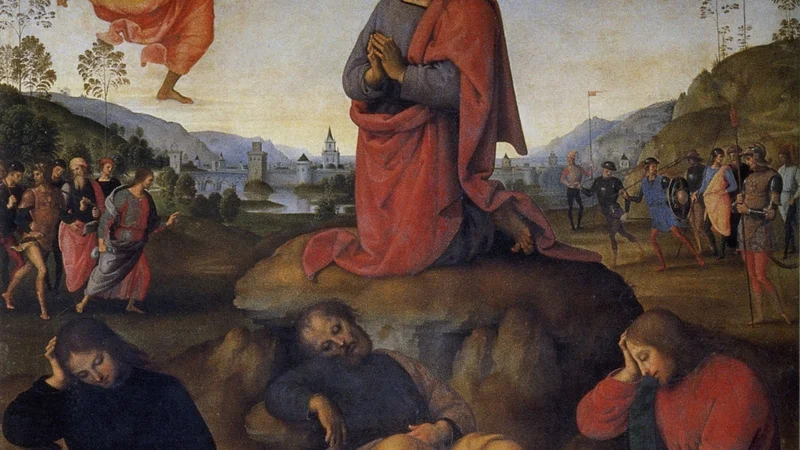
Perugino is celebrated for his distinctive visual rhythm and the atmospheric serenity of his compositions. His technique utilized soft, modulated light to create a sense of expansive, melancholic space, as observed in his The Baptism of Christ and the emotive detail of The Adoration of the Christ Child. His narrative clarity remains evident in works such as the Adoration of the Magi (Predella Panel) and the devotional focus of Madonna and Child with St. Catherine and St. Rosa. Whether depicting complex polyptychs or smaller panels like Praying for a Cup, he maintained a rigorous balance between the human figure and the surrounding landscape.
Beyond his individual output, Perugino’s historical significance lies in his role as a mentor and his influence on the development of classicism. His ability to organize figures within a harmonious, architectural setting provided a structural foundation for his contemporaries and successors, most notably Raphael. By codifying a language of gesture and posture that favored poise over agitation, Perugino secured his place as a seminal figure in the transition toward the mature Renaissance.