Rosa Bonheur
108 artworks
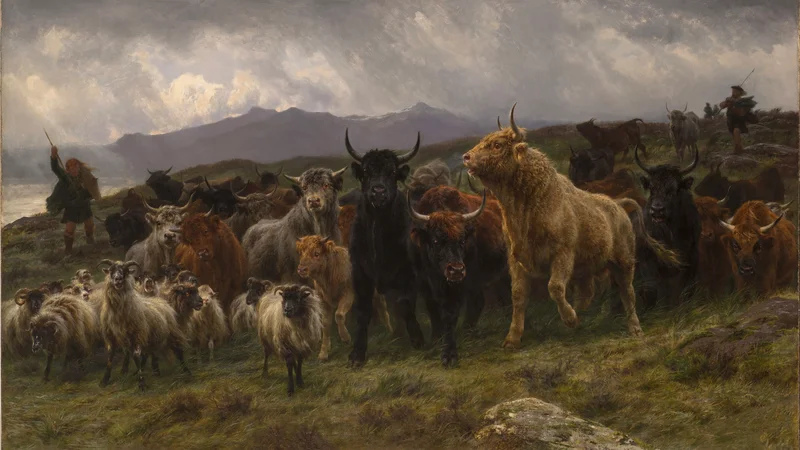
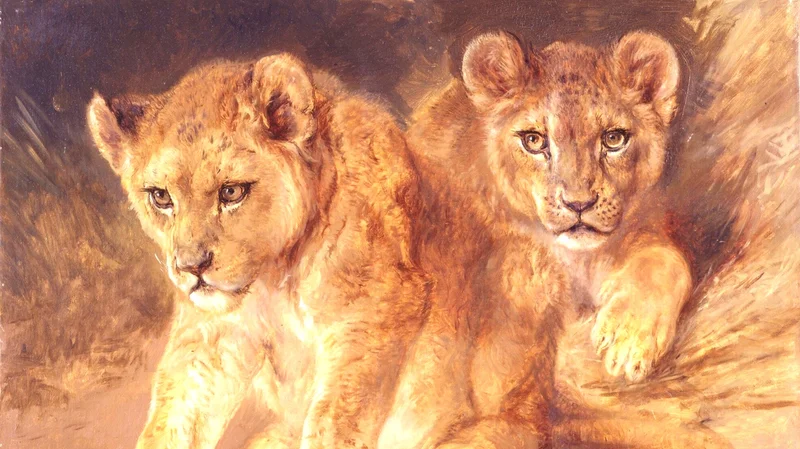
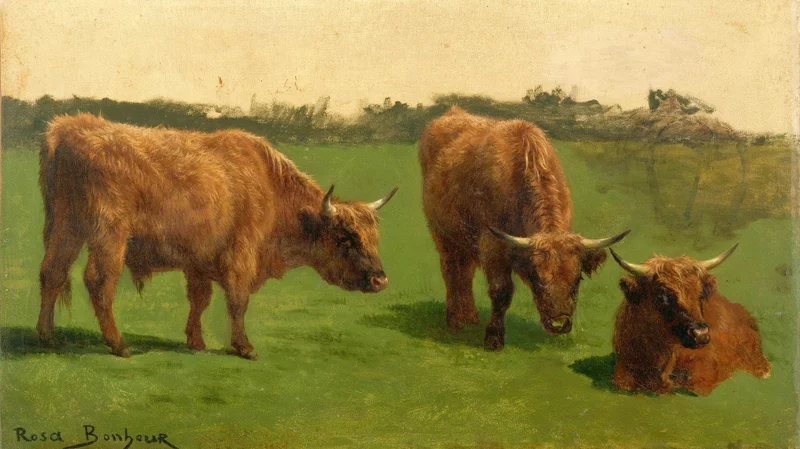
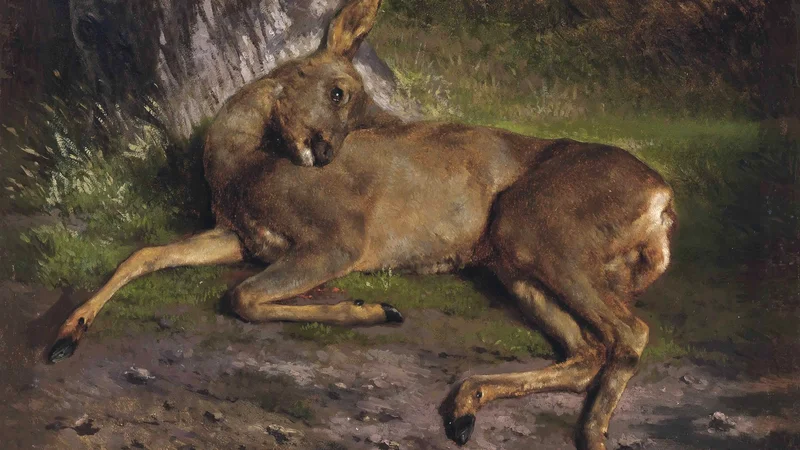
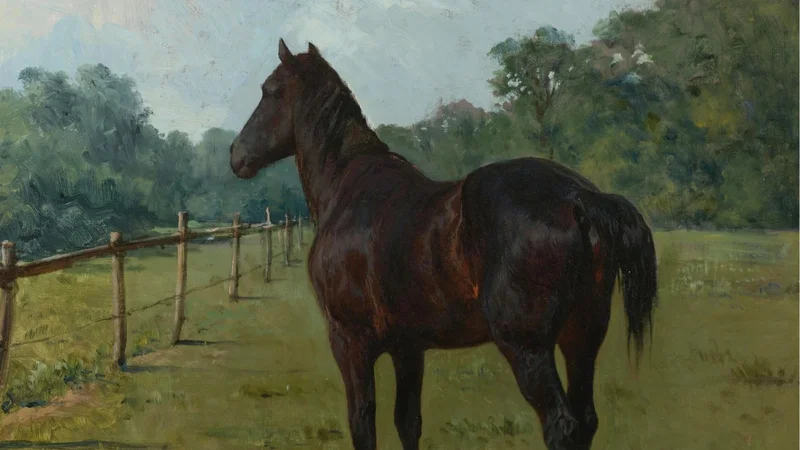
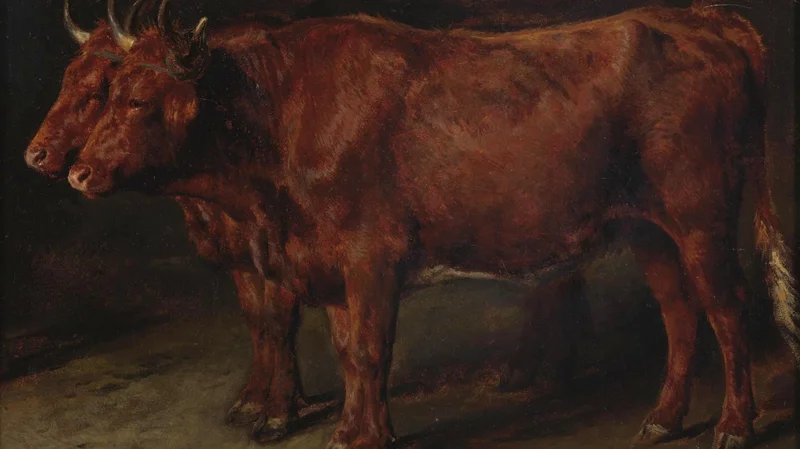
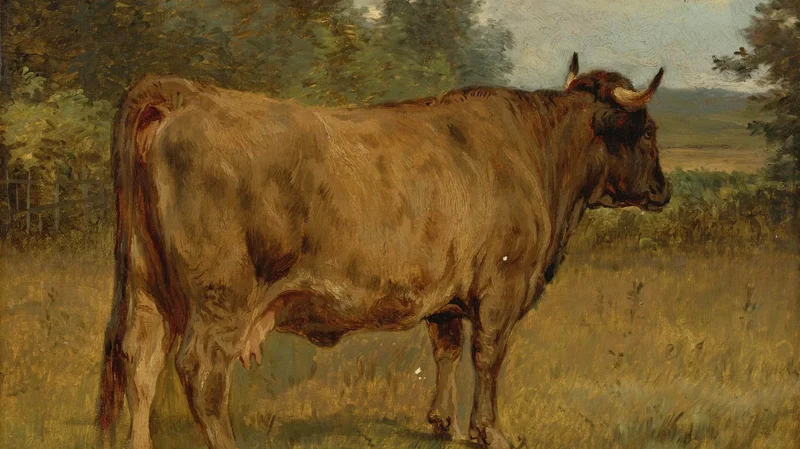
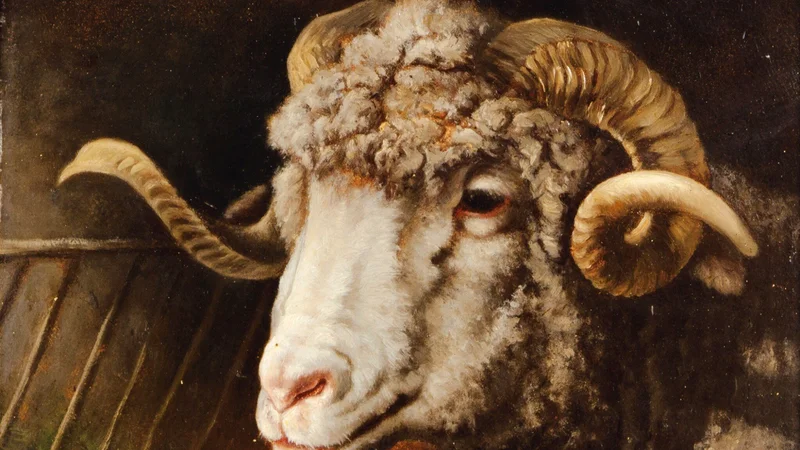
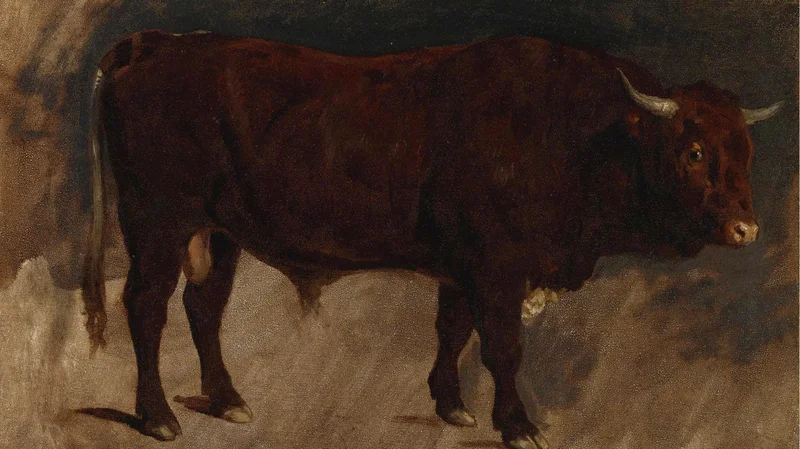
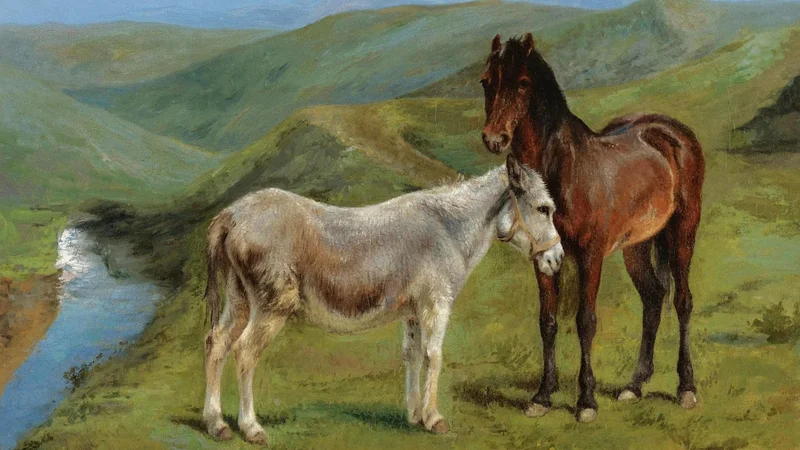
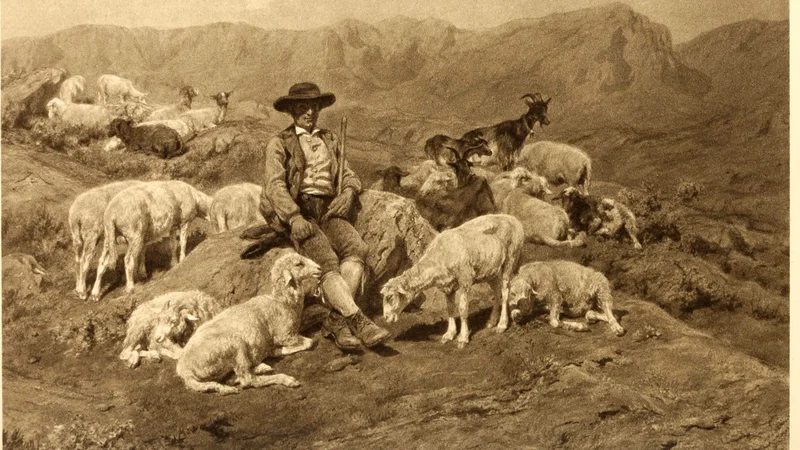
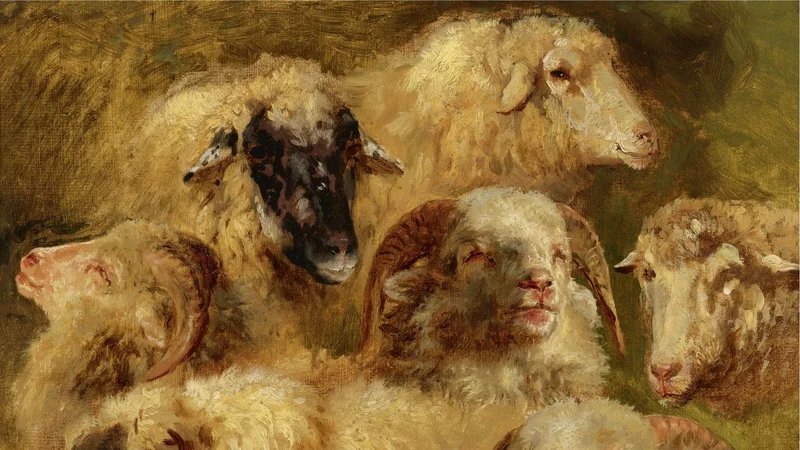
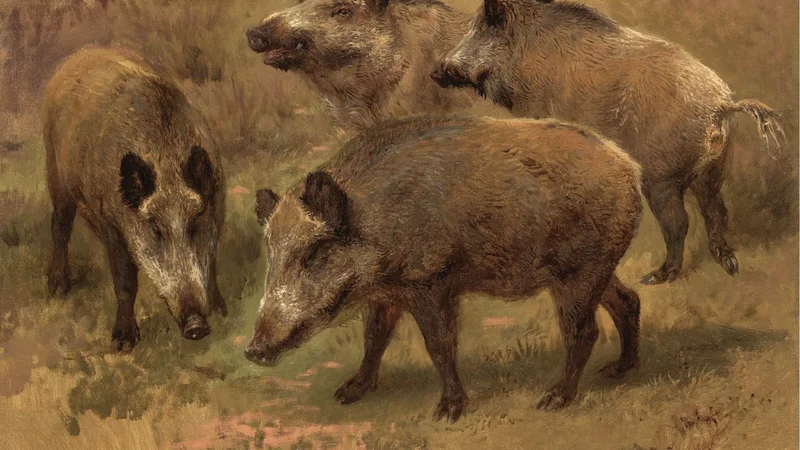
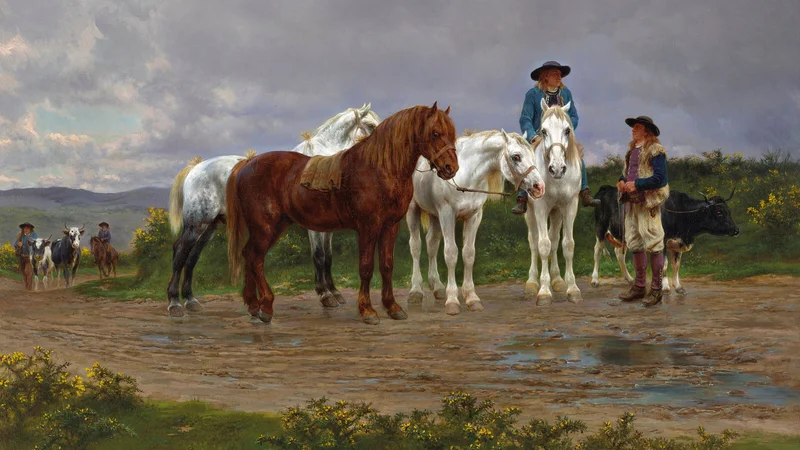
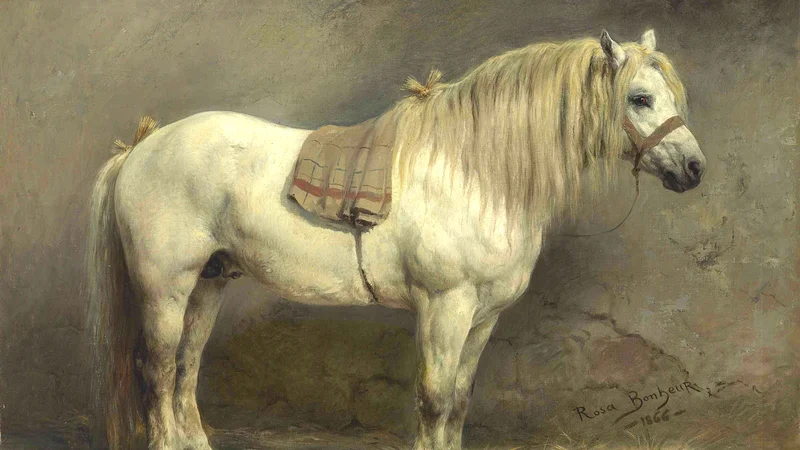
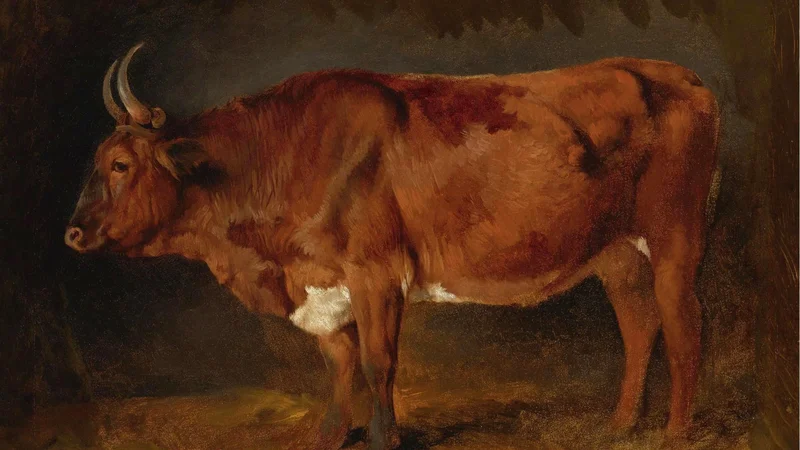
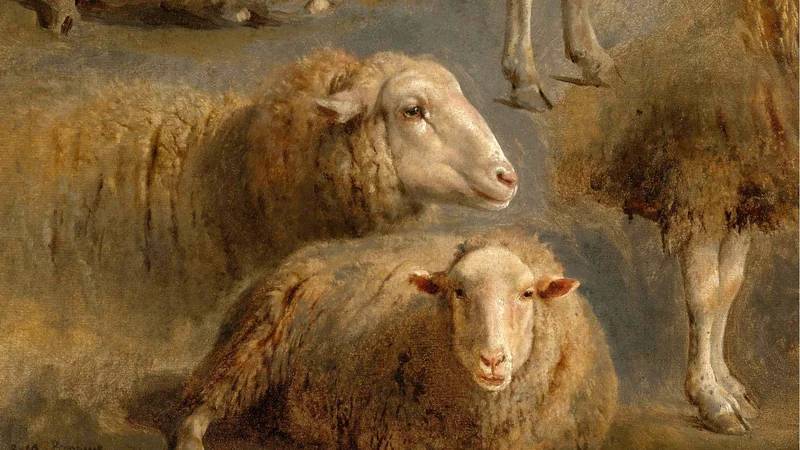
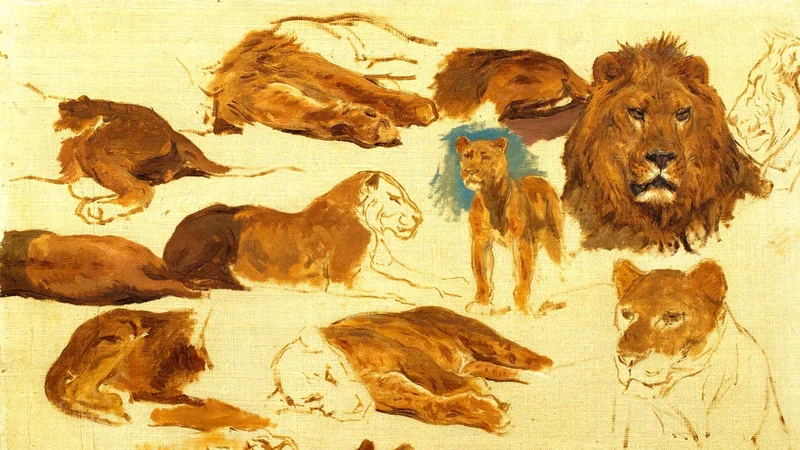
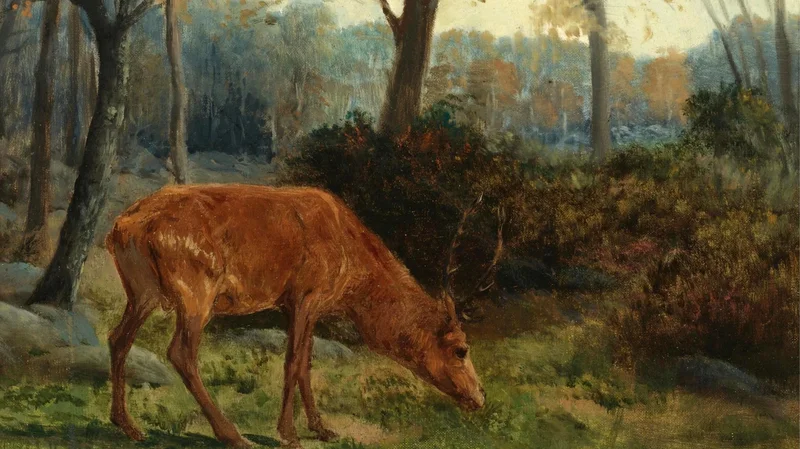
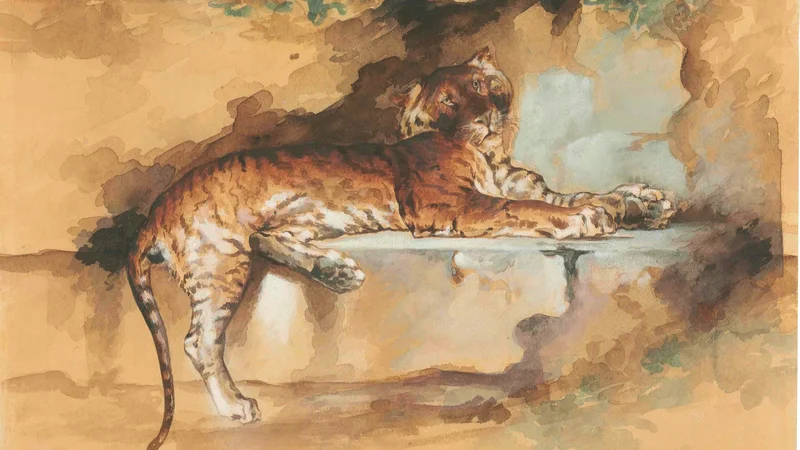
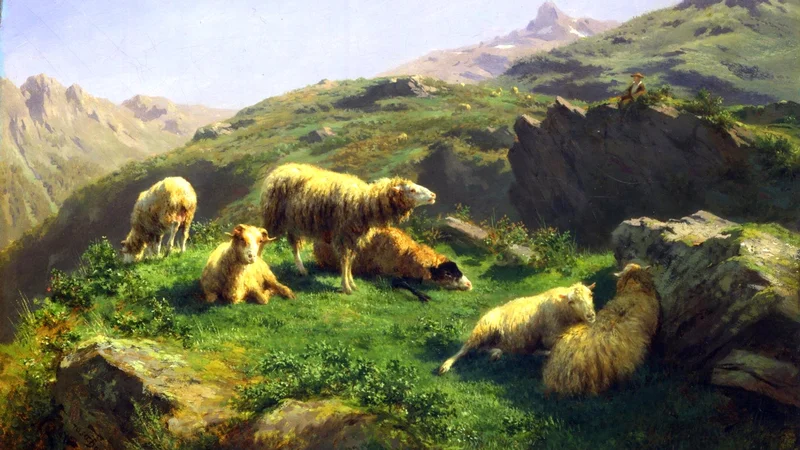
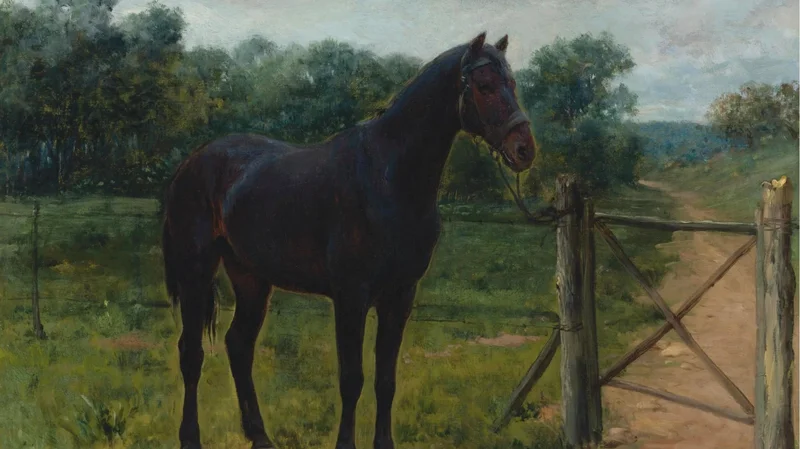
Marie-Rosalie Bonheur (1822–1899), known as Rosa Bonheur, was a preeminent French painter and sculptor whose career spanned the height of the 19th century. Trained by her father, Raymond Bonheur, she emerged as a central figure in the Naturalism movement. Bonheur defied the gender conventions of the era, famously securing official permission to wear masculine attire to facilitate her extensive field research in slaughterhouses and horse markets. Her rigorous empirical approach to animal anatomy established her as the leading animalier of her generation, earning her international acclaim and the distinction of becoming the first woman to be awarded the Grand Cross of the Legion of Honor.
Technical Mastery and Thematic Evolution
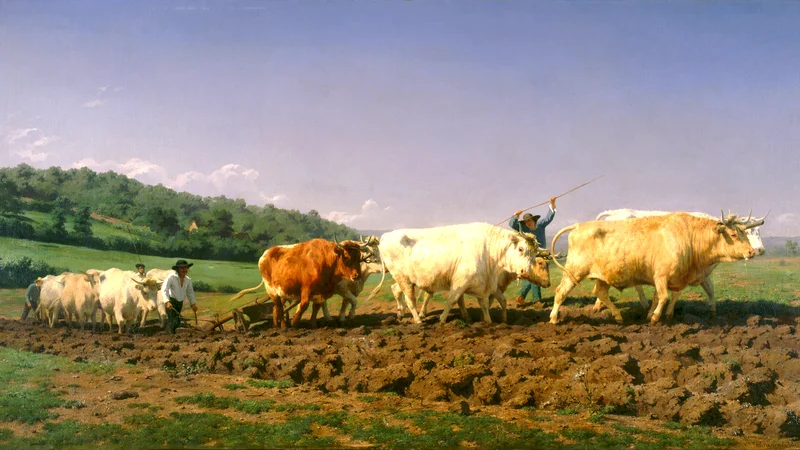
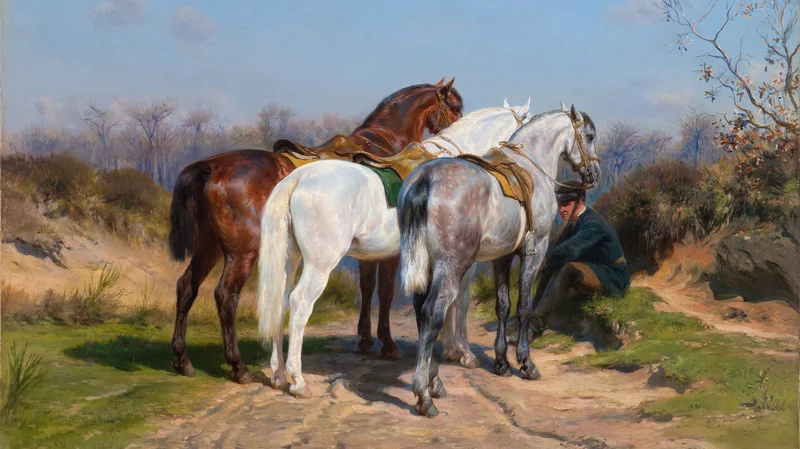
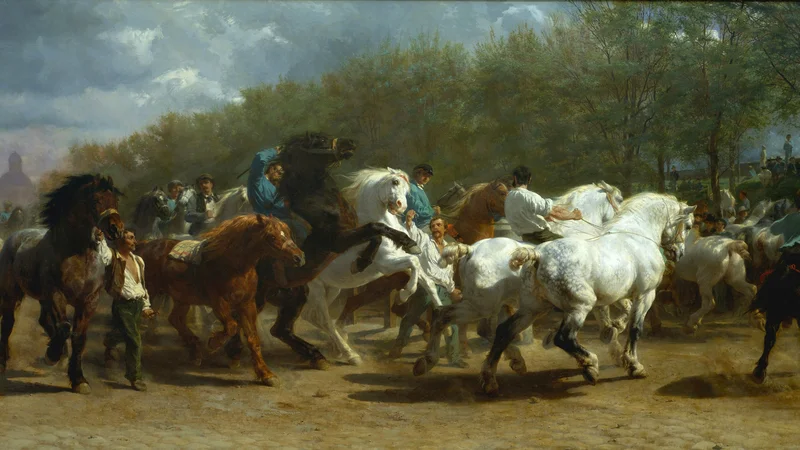
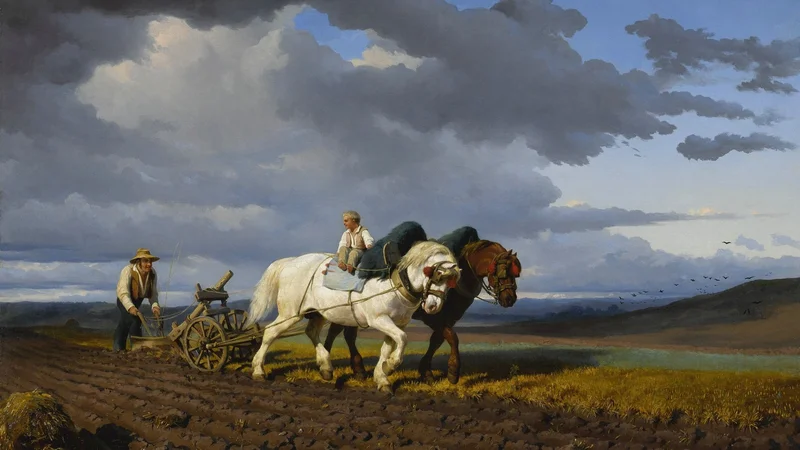
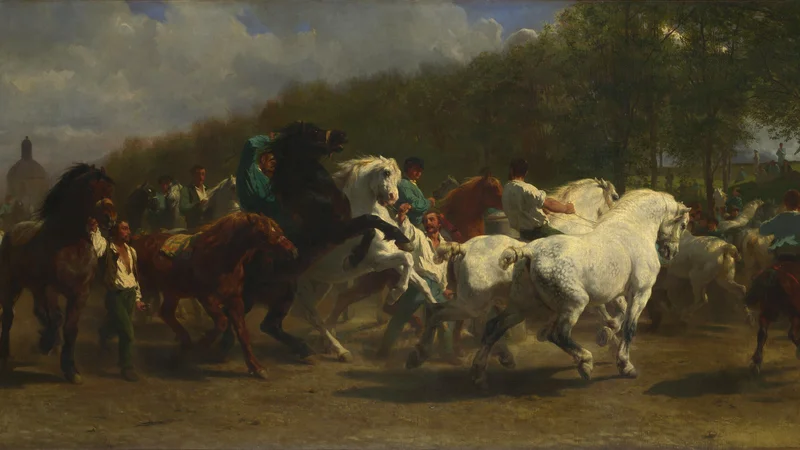
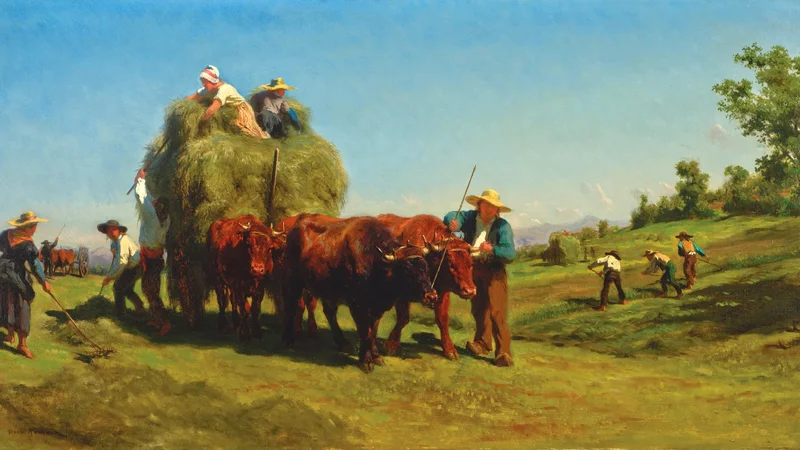
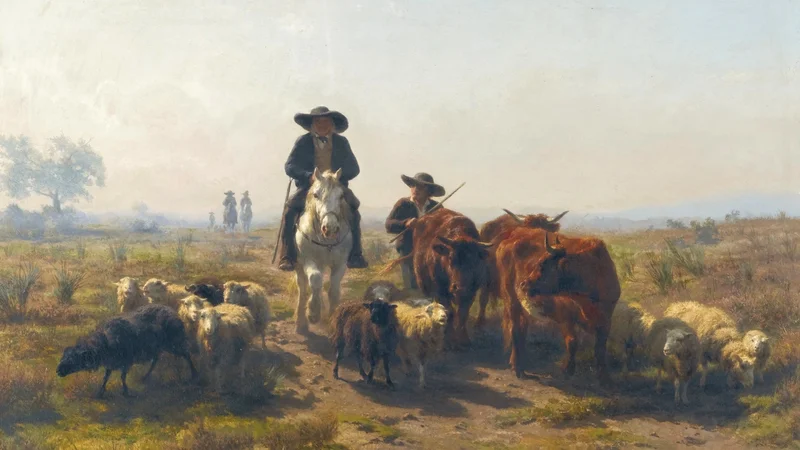
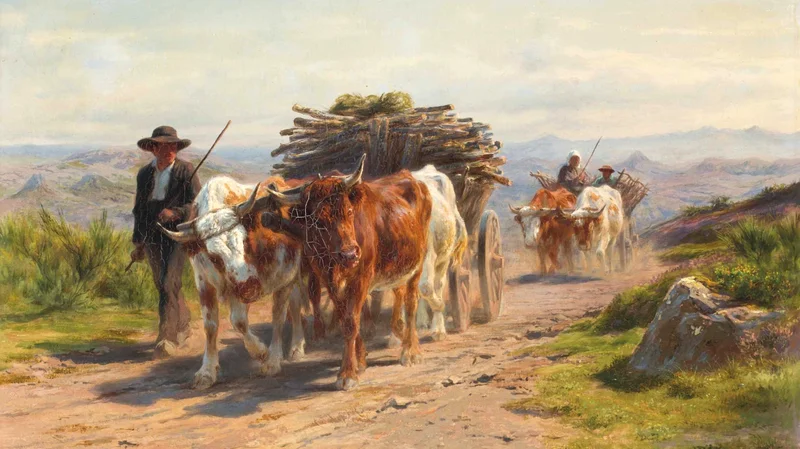
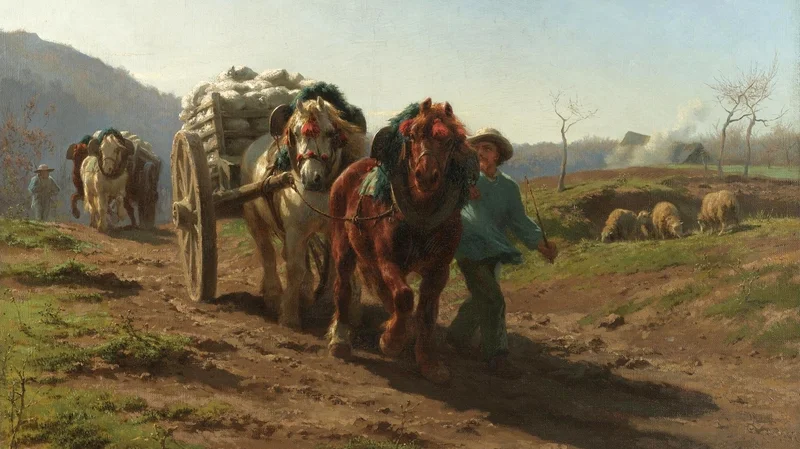
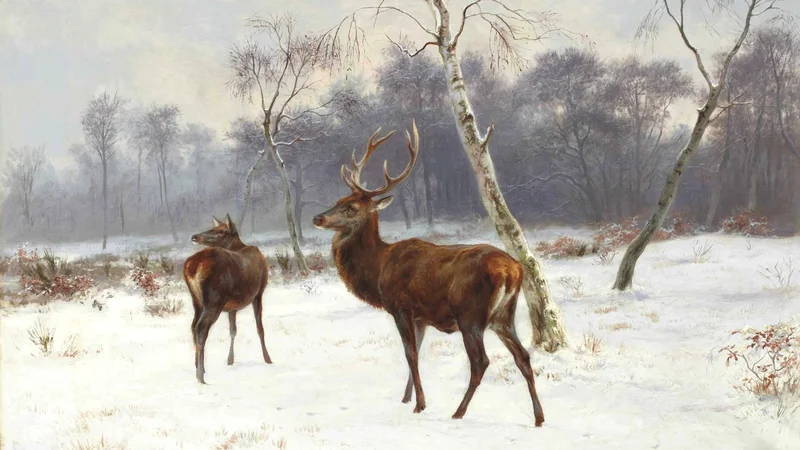
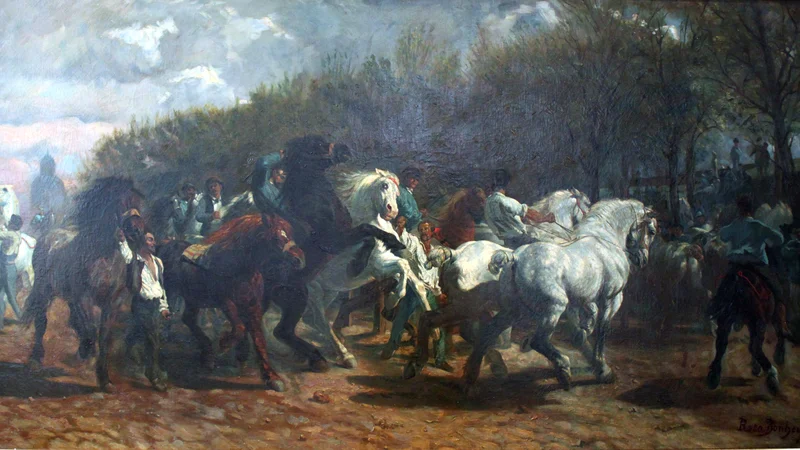
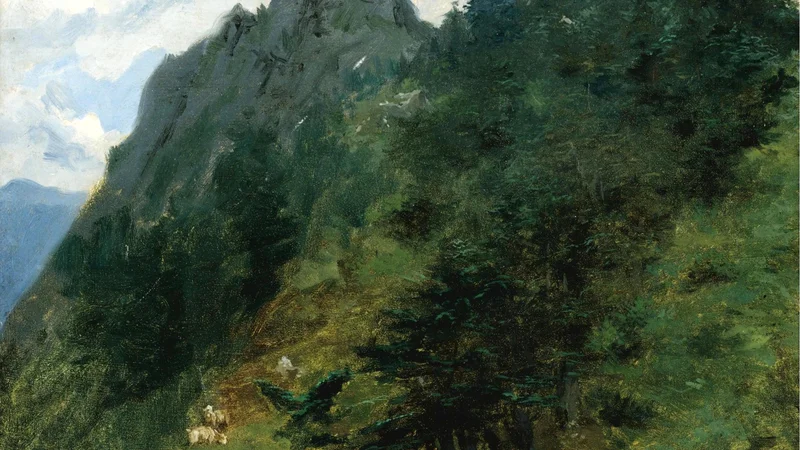
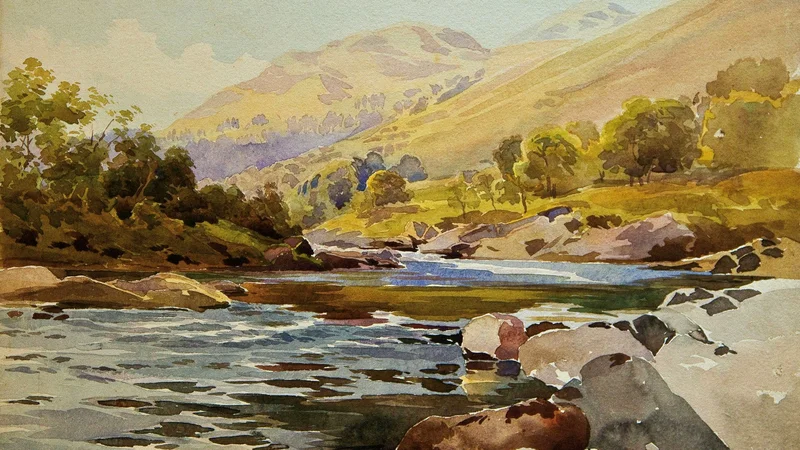
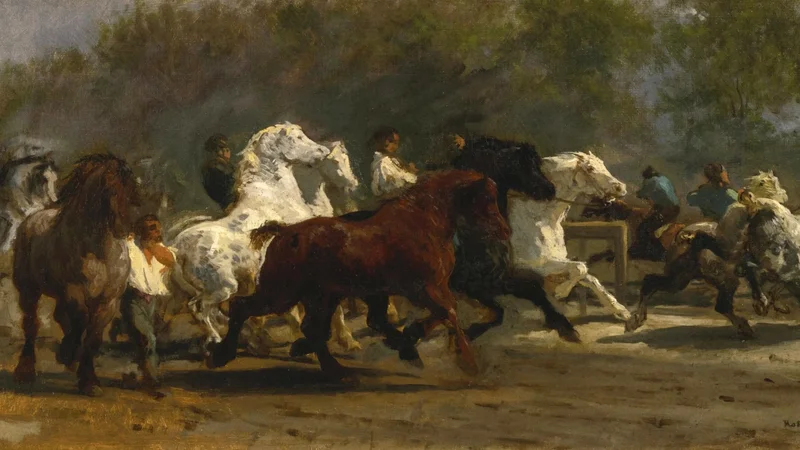
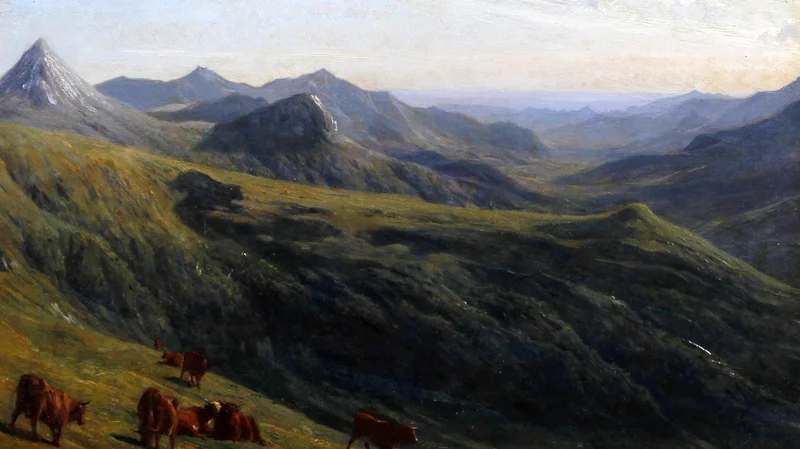
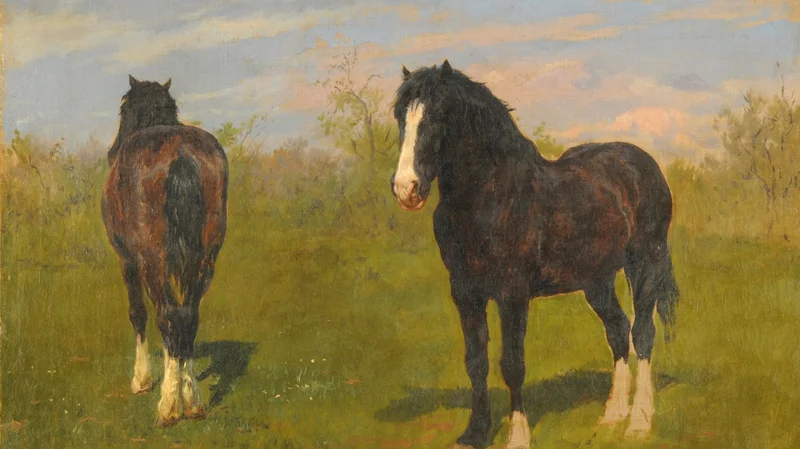
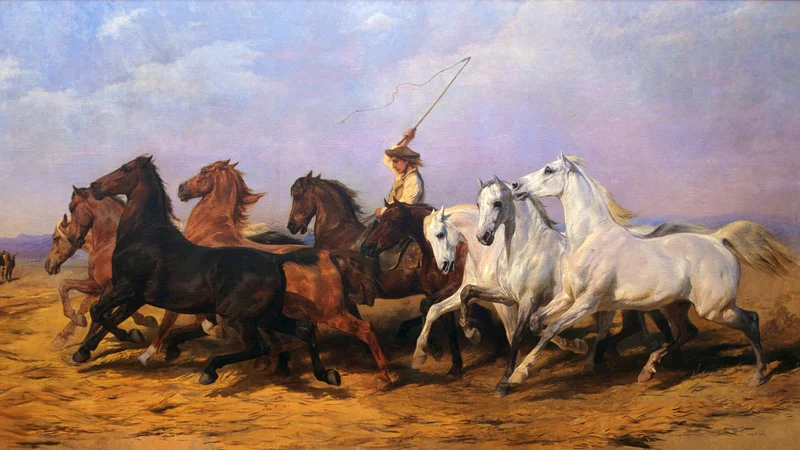
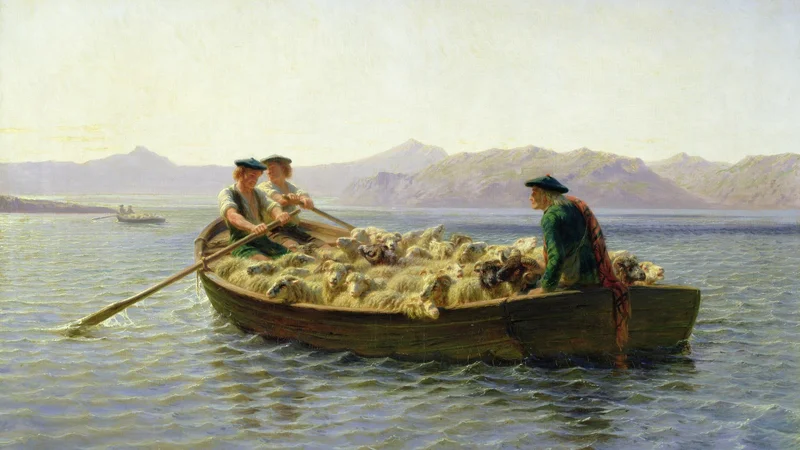
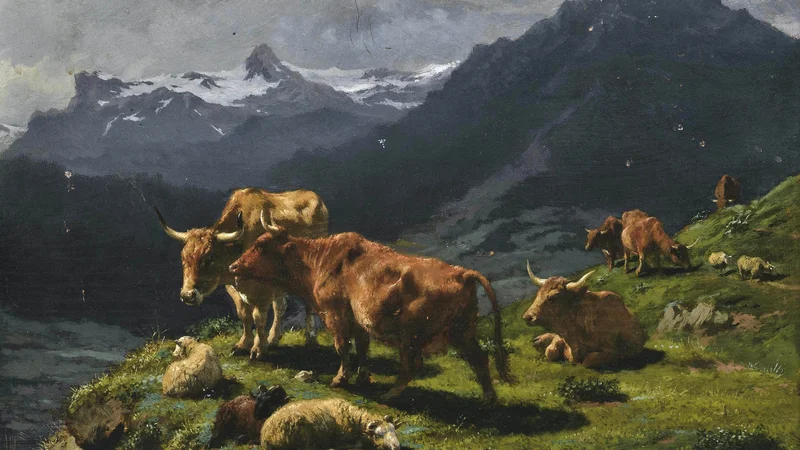
Bonheur’s practice was defined by a meticulous commitment to observational accuracy and a profound understanding of bovine and equine physiology. Her early work, such as Ploughing in the Nivernais and Le labourage, demonstrates a sophisticated handling of light and texture, effectively capturing the rustic labor of rural France. Her grand-scale compositions, most notably The Horse Fair, highlight her ability to synthesize complex, dynamic movement with anatomical precision. Throughout her late 19th-century career, she expanded her repertoire to include atmospheric studies such as River landscape, Les Muletiers, and Relay Hunting. These compositions reveal a consistent dedication to the objective representation of nature, securing her legacy as a foundational influence on realist traditions in European art.