Kunstmuseum Den Haag
6 artworks
Established in 1866 as the Museum voor Moderne Kunst, the Kunstmuseum Den Haag stands as a cornerstone of the Netherlands' cultural landscape. Originally operating under the title of Haags Gemeentemuseum for much of the twentieth century, the institution underwent a significant transition in 2019 to better reflect its expansive mission. Housed within a distinctive architectural landmark, the museum serves as a sanctuary for the evolution of modern art, tracing the trajectories of creative expression from the nineteenth century into the contemporary era.
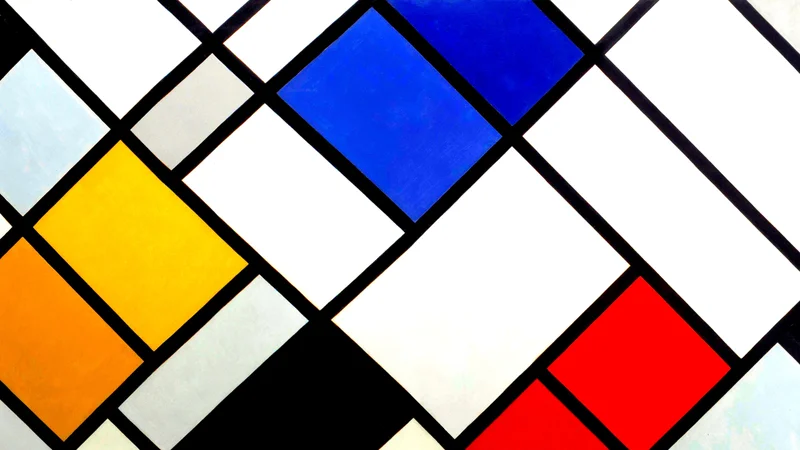
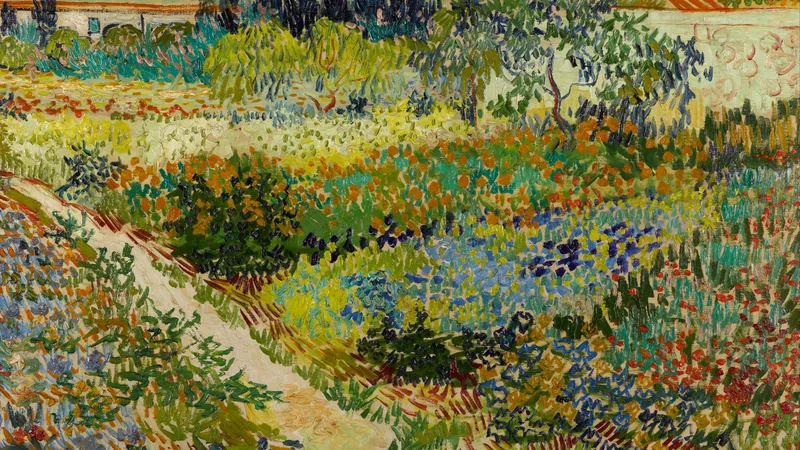
The institution is distinguished by its unparalleled holdings, most notably its comprehensive assembly of works by Piet Mondrian, which includes his final, vibrant masterpiece, Victory Boogie-Woogie. The collection offers a profound examination of De Stijl, featuring pivotal contributions from Theo van Doesburg, such as Counter-Composition of Dissonances XVI. Beyond the geometric rigors of modernism, the museum provides a rich dialogue with Impressionism and Post-Impressionism. Significant canvases by Claude Monet, including Poppy field, The Nets in Pourville, Wisteria, and Quai du Louvre, alongside evocative works by Vincent van Gogh and the luminous Flowering Garden with Path, anchor the museum’s commitment to the transformative power of light and color in art history.
As a global authority on the development of modern visual culture, the Kunstmuseum Den Haag plays an essential role in the scholarly preservation and interpretation of artistic heritage. By maintaining a rigorous standard of curatorial excellence and historical context, the museum invites an intellectual engagement with the movements that fundamentally reshaped the aesthetic landscape of the twentieth century.
Background adapted from Wikipedia (CC BY-SA).