Pushkin Museum of Fine Arts
20 artworks
The Pushkin State Museum of Fine Arts stands as a monumental pillar of European cultural heritage in Moscow, situated prominently on Volkhonka Street directly across from the Cathedral of Christ the Saviour. Established as a repository for academic study and public enlightenment, its architectural presence serves as a testament to the late 19th and early 20th-century ambition to synthesize classical grandeur with the evolving landscape of European art history. Since its inception, the institution has functioned not merely as a gallery, but as a critical nexus for scholarly inquiry and intellectual discourse, reinforced by its long-standing tradition of hosting the prestigious Sviatoslav Richter's December Nights musical festival, which has harmonized the visual and auditory arts within its halls since 1981.
A Legacy of Modernism and Mastery
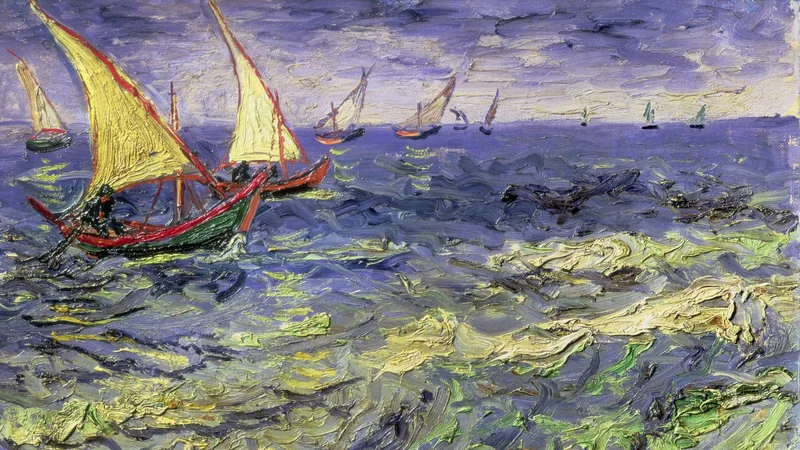
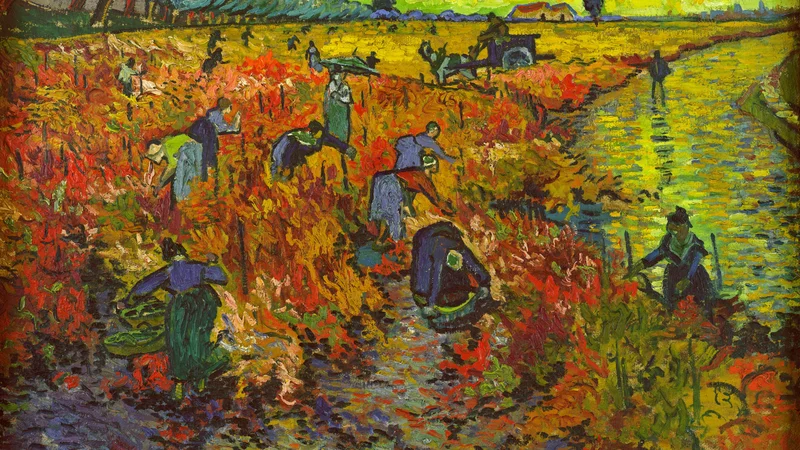
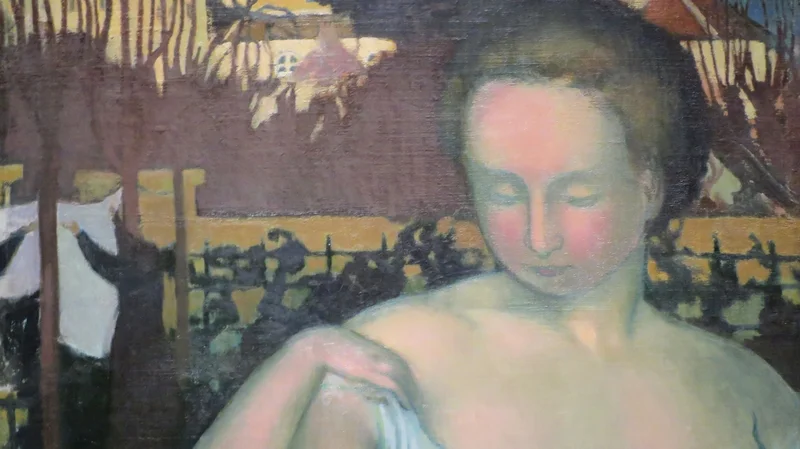
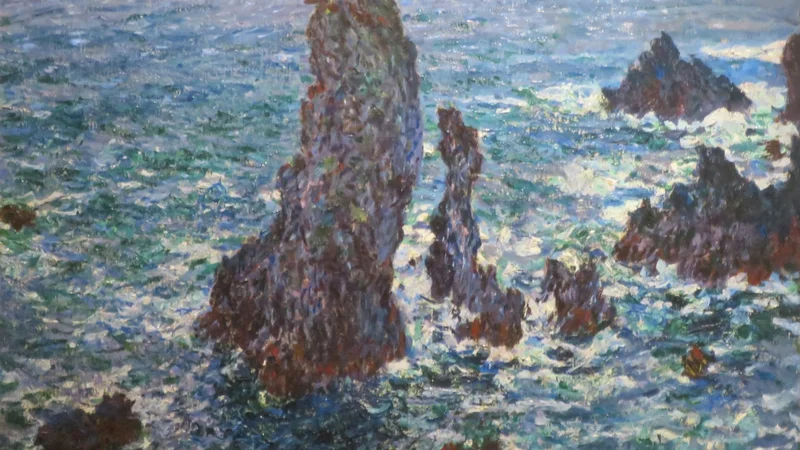
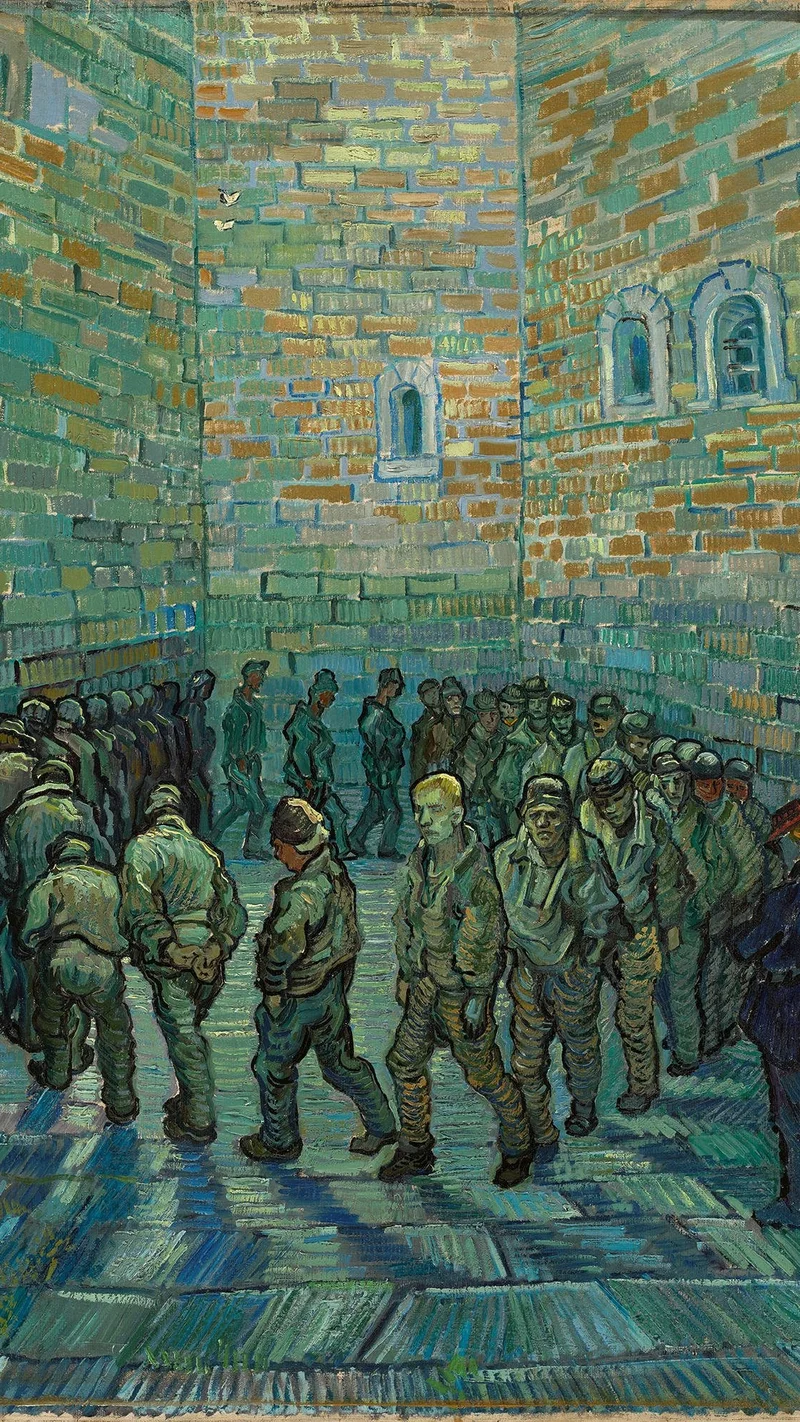
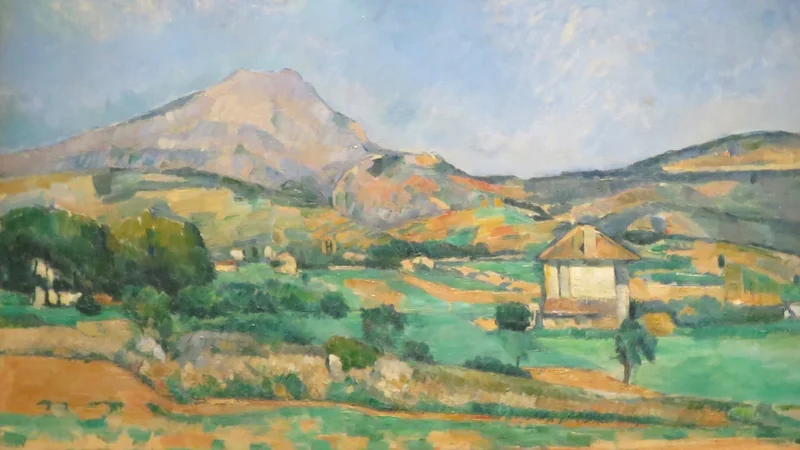
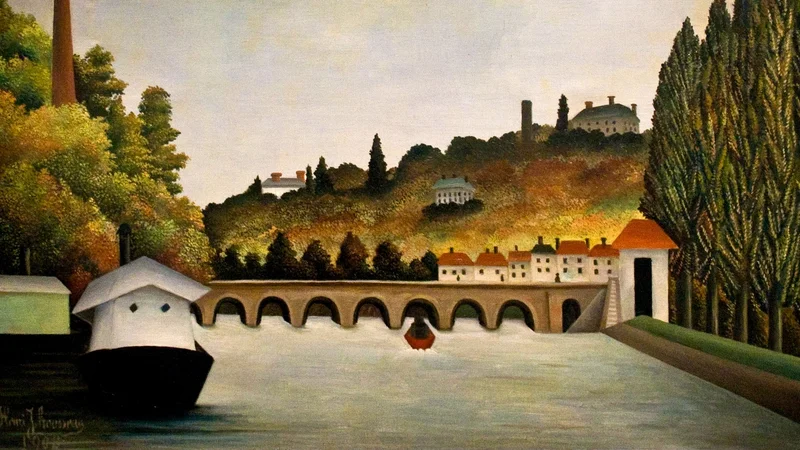
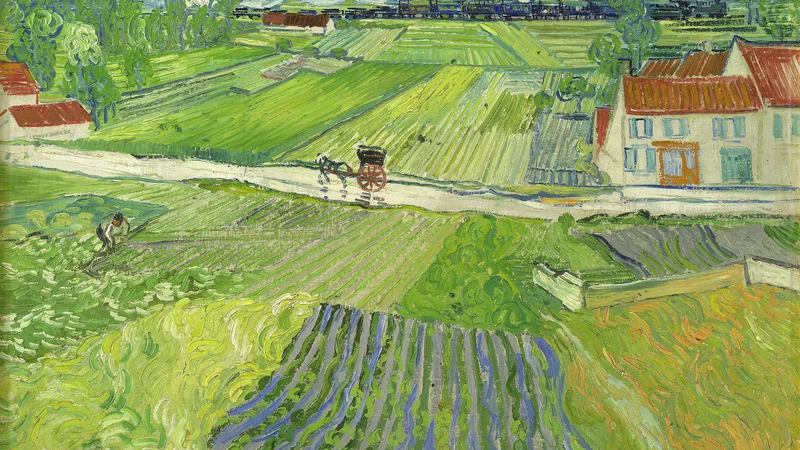
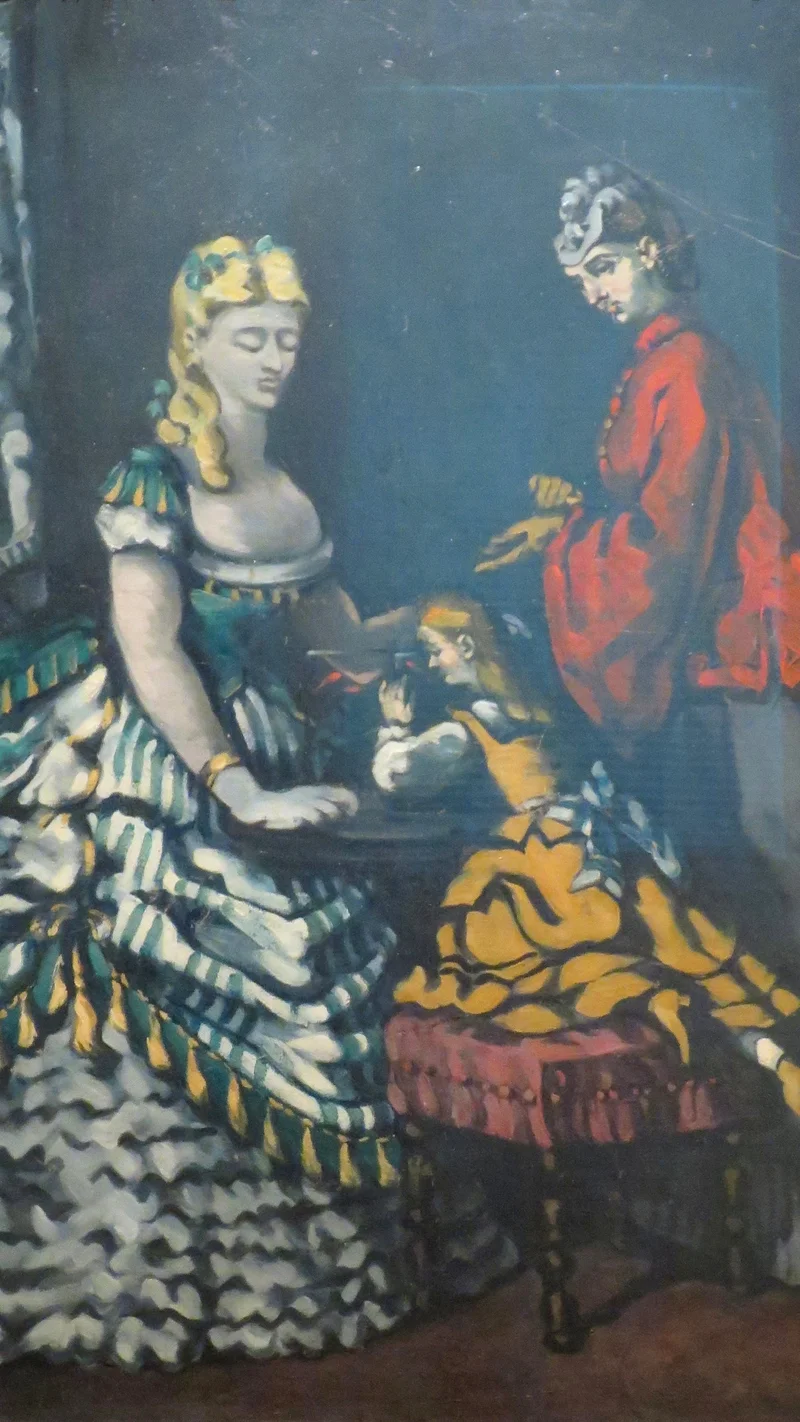
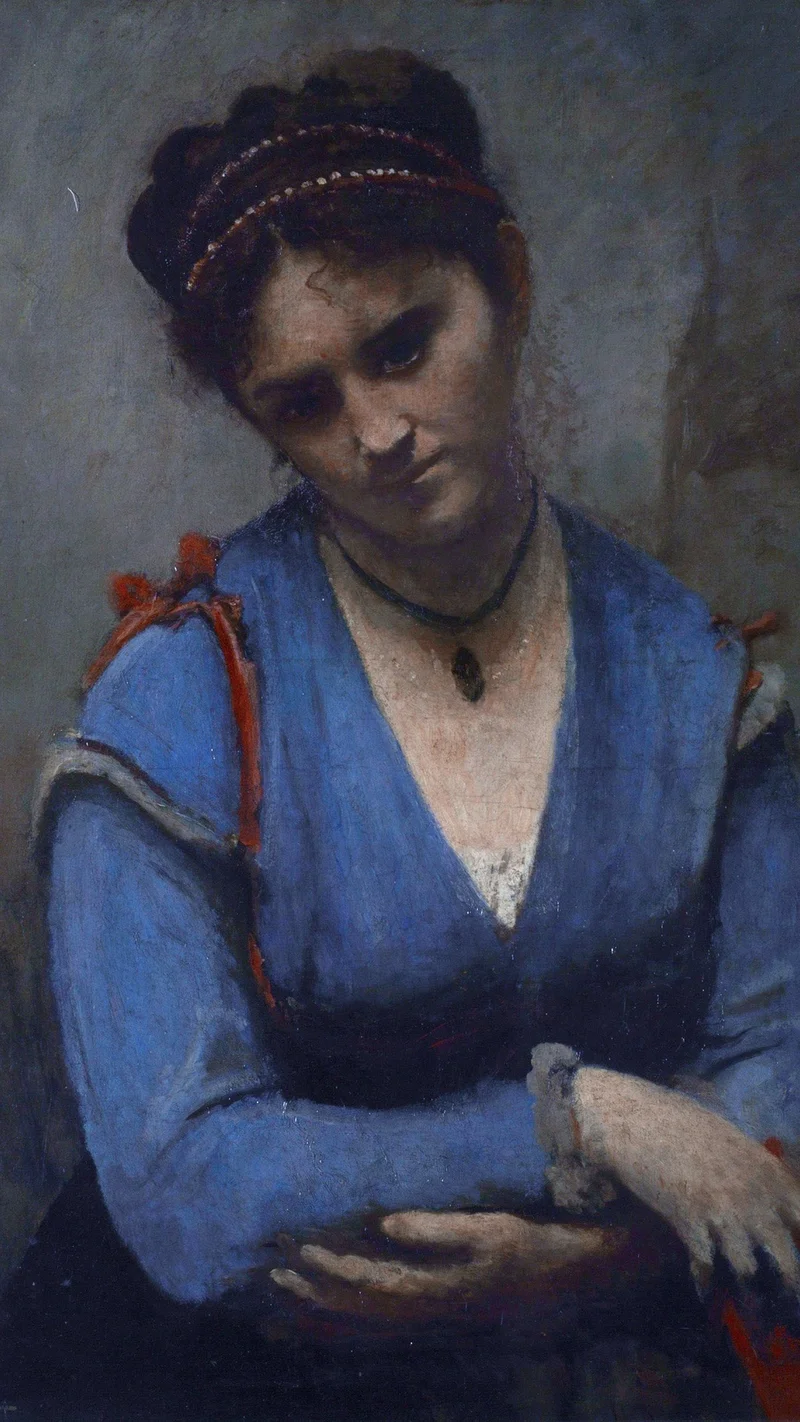
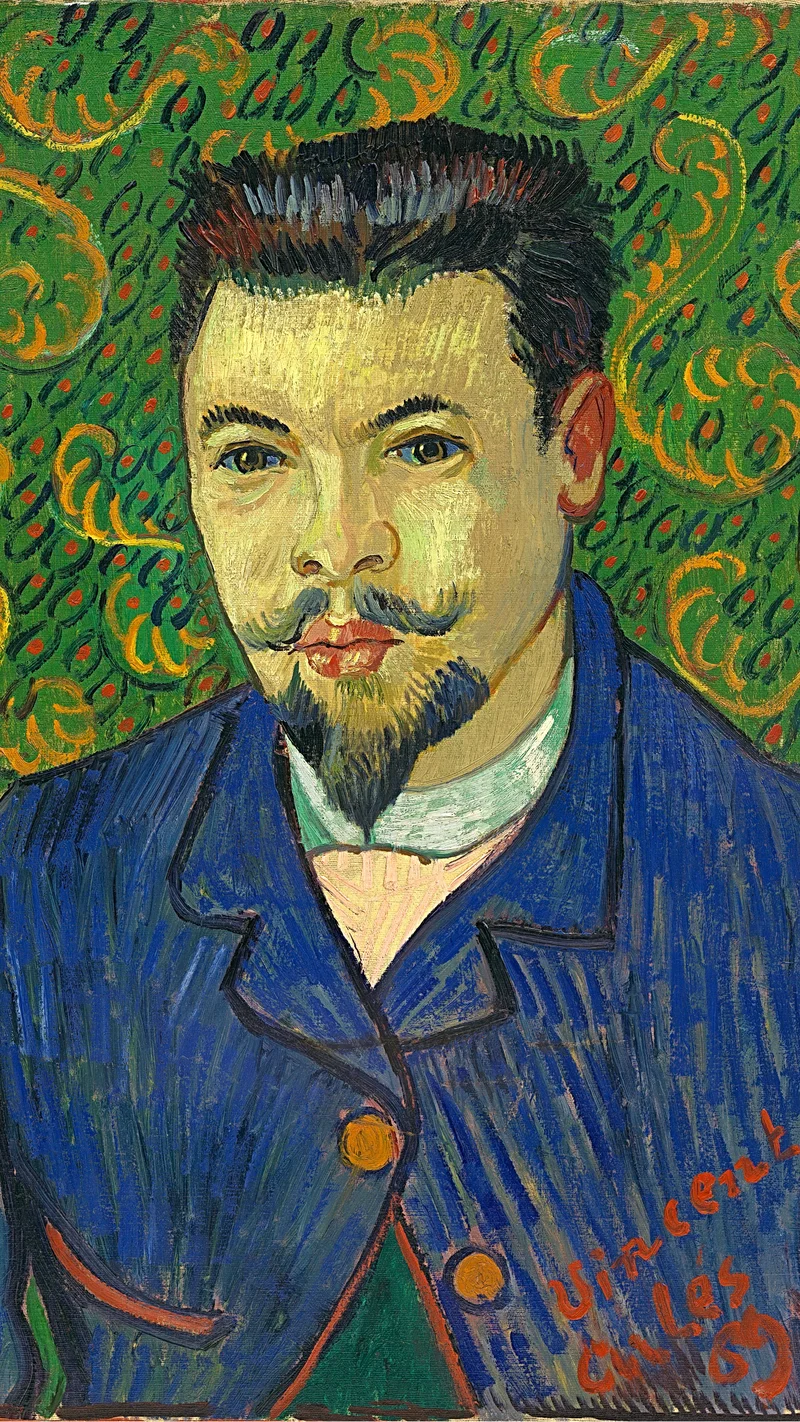
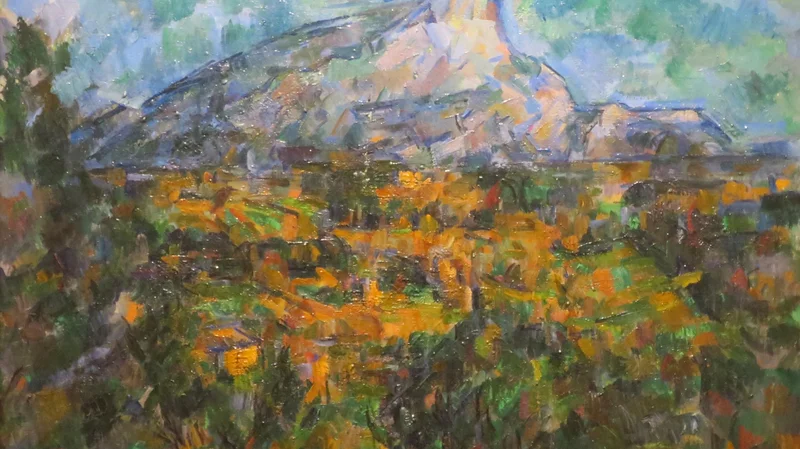
The museum’s holdings offer a profound survey of the trajectory of modern art, particularly through its stellar representation of Impressionism, Post-Impressionism, and Naïve Art. The collection invites rigorous engagement with the works of masters such as Claude Monet, whose View of the Bridge of Sevres and Belle-Île Rocks capture the ephemeral nature of light, and Vincent van Gogh, represented by the evocative The Red Vineyard. The institution also highlights the structural innovations of Paul Cezanne and the distinct, lyrical compositions of Henri-Edmond Cross. Furthermore, the inclusion of Henri Rousseau’s Portrait of Mariette Gambay (La Songerie de Mariette) and the poignant Prisoners Exercising by Van Gogh emphasizes the museum’s dedication to capturing the diverse stylistic shifts that defined the turn of the century. Through these masterworks, the Pushkin Museum remains an essential destination for understanding the complex evolution of the European canon.
Background adapted from Wikipedia (CC BY-SA).