Toledo Museum of Art
7 artworks
Founded in 1901 by the visionary glass industrialist Edward Drummond Libbey, the Toledo Museum of Art stands as a testament to the cultural ambitions of the American Midwest. The institution found its permanent home in 1912 within a grand Greek Revival structure conceived by architects Edward B. Green and Harry W. Wachter, situated in the historic Old West End of Toledo, Ohio. Over the subsequent decades, the campus has evolved through strategic expansions in the 1920s and 1930s, eventually incorporating modern architectural additions in the 1990s and 2006 to accommodate its expansive pedagogical and exhibition requirements, including the acoustically distinguished Peristyle concert hall.
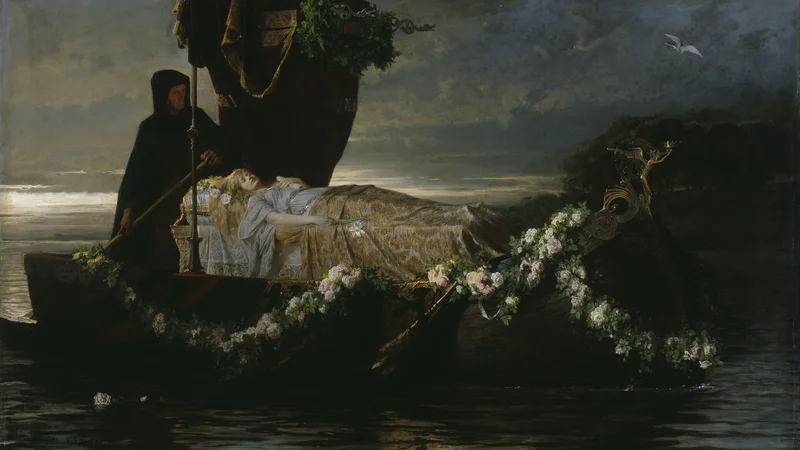
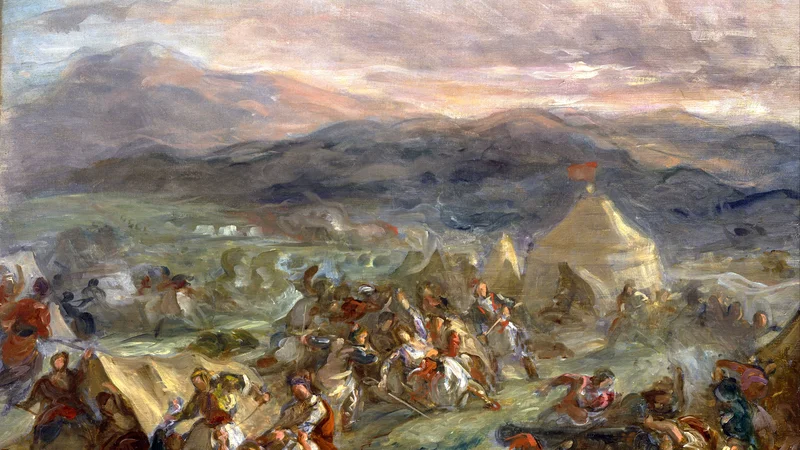
The museum’s holdings facilitate a profound dialogue across centuries, grounded in the rigorous traditions of Realism, Post-Impressionism, and Expressionism. Visitors encounter a rich tapestry of art historical evolution through seminal works such as Eugène Delacroix’s Botzaris Surprises the Turkish Camp and Falls Fatally Wounded and the evocative Sunlight on the Coast by Winslow Homer. The collection further captures the transition of the modern era through the light-drenched canvases of Claude Monet and the emotive intensity of Vincent van Gogh’s Houses at Auvers and Wheatfield with sheaves and reaper. Alongside Toby Edward Rosenthal’s Elaine and the enigmatic Villas for Marionettes, these masterpieces offer a comprehensive study of technical mastery and stylistic innovation.
Today, the Toledo Museum of Art maintains a preeminent reputation as a center for intellectual engagement and aesthetic inquiry. By balancing its historic architectural legacy with a commitment to diverse artistic narratives, the institution serves as a vital bridge between the classical canon and contemporary visual culture. Its enduring status is underscored by its sustained public resonance, solidifying its role as an essential pillar in the landscape of global art history.
Background adapted from Wikipedia (CC BY-SA).