Bauhaus

5 artworks

Founded in 1919 by Walter Gropius in Weimar, Germany, the Bauhaus school fundamentally reshaped the trajectory of twentieth-century art and design by advocating for the unification of artistic vision and industrial craftsmanship. The movement sought to dissolve the rigid hierarchies between the fine and applied arts, promoting a philosophy where form strictly follows function. This aesthetic was characterized by a rejection of ornamental excess in favor of geometric purity, primary colors, and the honest expression of modern materials such as steel, glass, and concrete. The school served as a crucible for avant-garde innovation, fostering an environment where architecture, typography, and visual art converged under a singular, rationalist mandate.

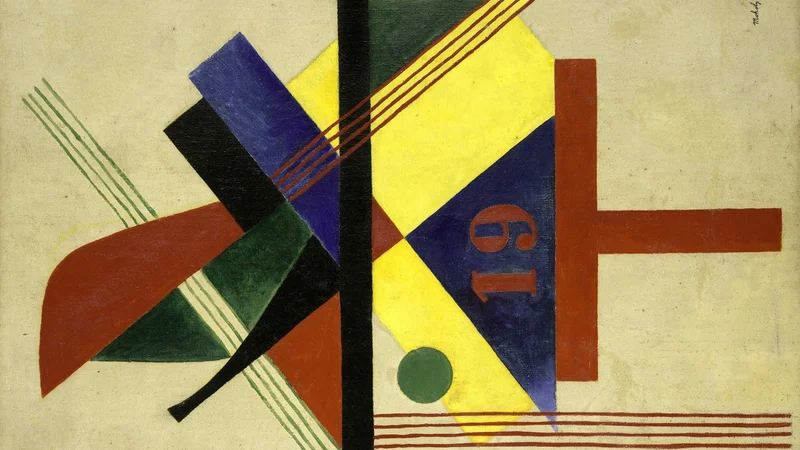
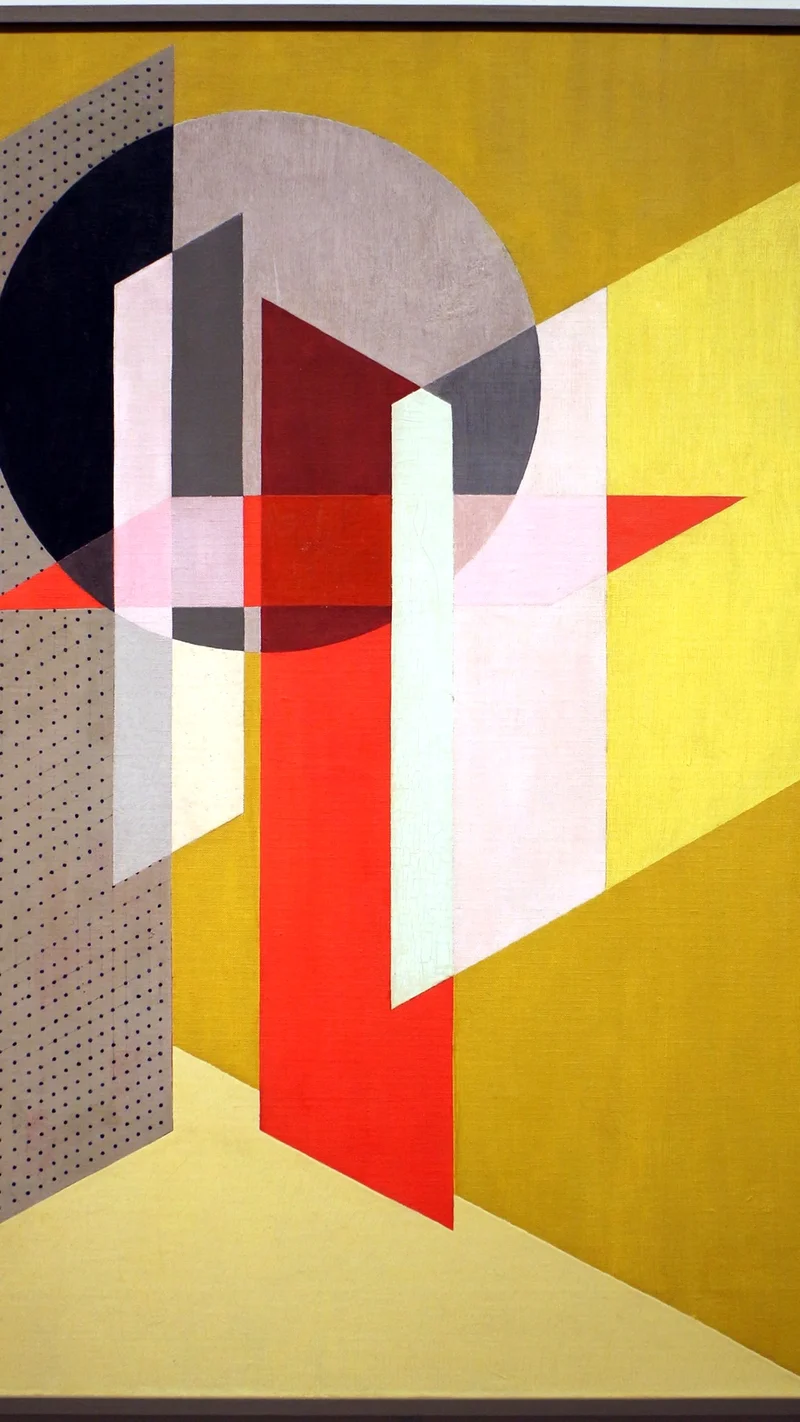
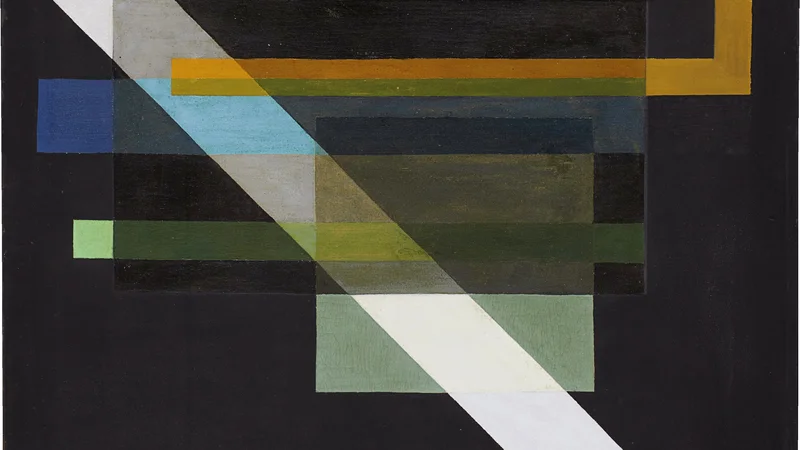
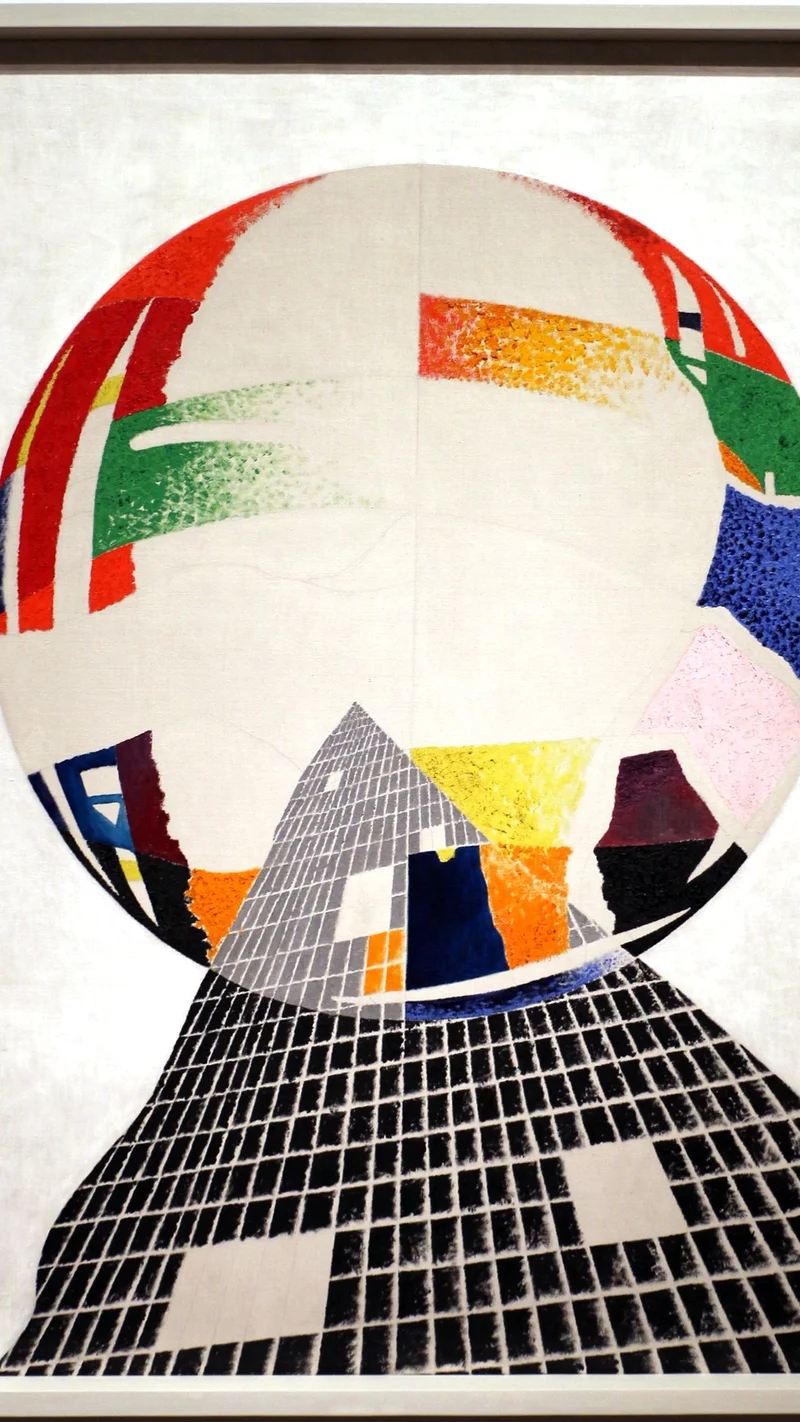
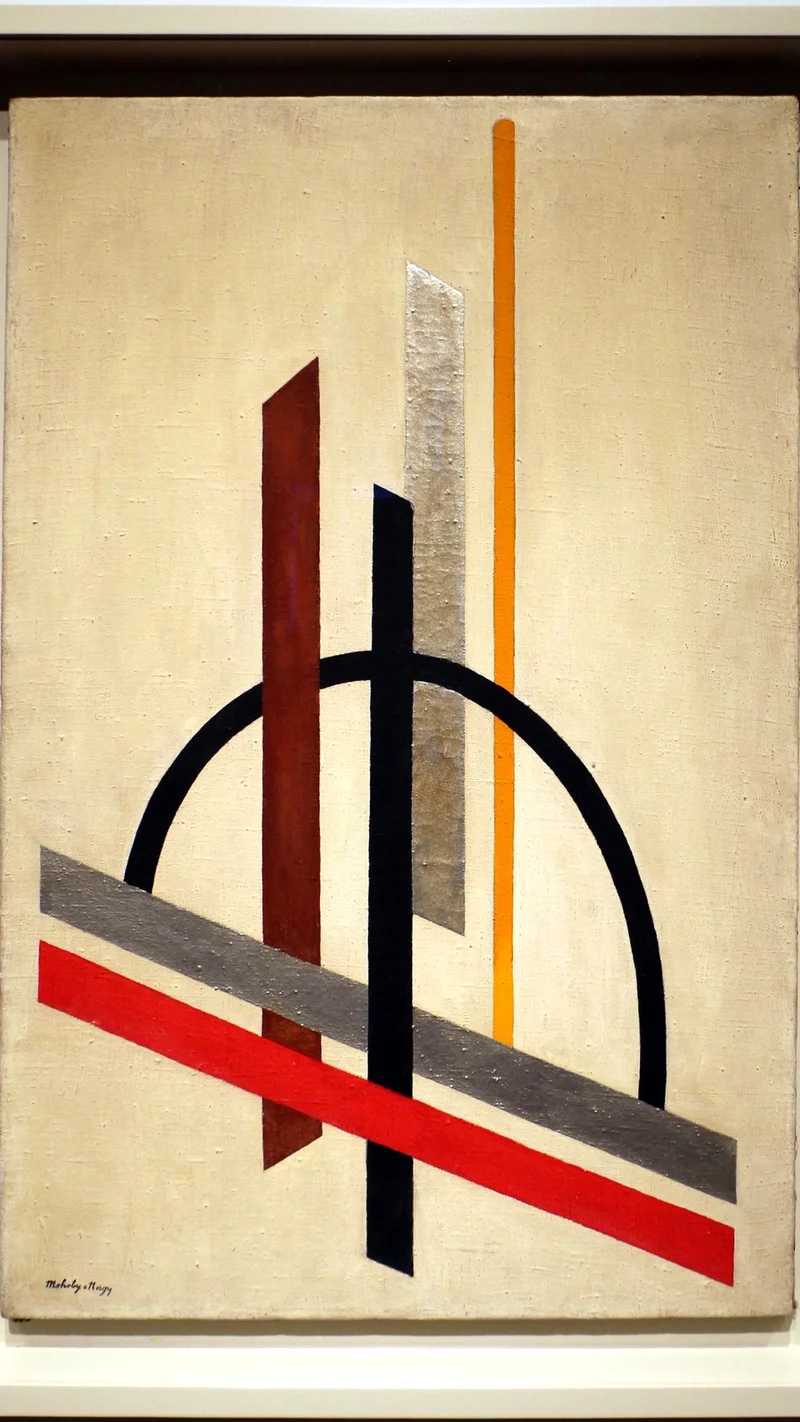
Key figures such as László Moholy-Nagy were instrumental in codifying the school’s commitment to new technologies and the integration of light and space. His seminal works, including 19, 1921, and Construction, exemplify the movement's focus on structural clarity and the exploration of optical effects through industrial media. Later compositions like Nuclear I, A 19, and Z VII further illustrate this rigorous engagement with abstract form and spatial dynamics. The legacy of the Bauhaus persists as the bedrock of modern design education, having established a universal visual language that continues to define the relationship between technological advancement and human expression in the contemporary epoch.

Top Artists

Gallery Results

WallArt Frame