Dadaism
3 artworks
Dadaism emerged in 1916 at the Cabaret Voltaire in Zurich as a radical, anarchic response to the cataclysm of the First World War. Disillusioned by the rationalism and bourgeois values they believed led to global carnage, the movement's adherents championed anti-art—a deliberate rejection of traditional aesthetics in favor of absurdity, chance, and irony. Through techniques like the readymade and photomontage, artists sought to dismantle the sanctity of the art object, transforming the creative act into a provocative interrogation of societal norms.
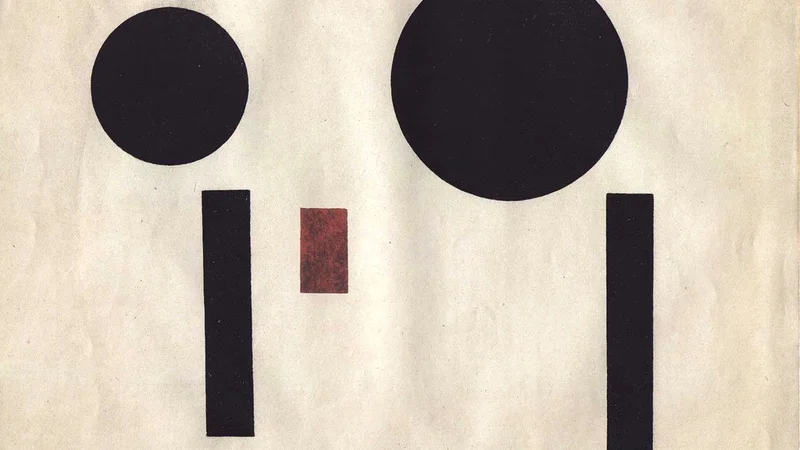
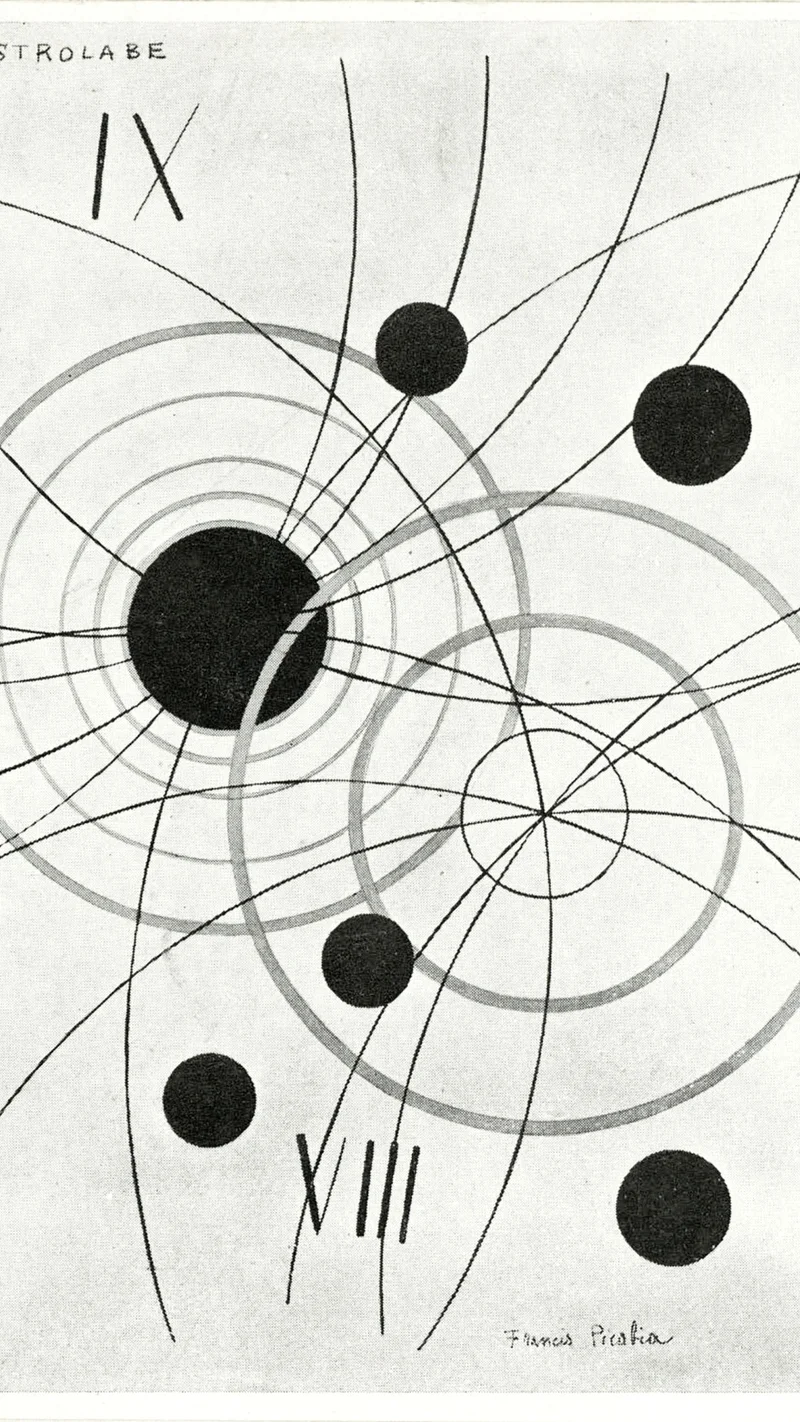
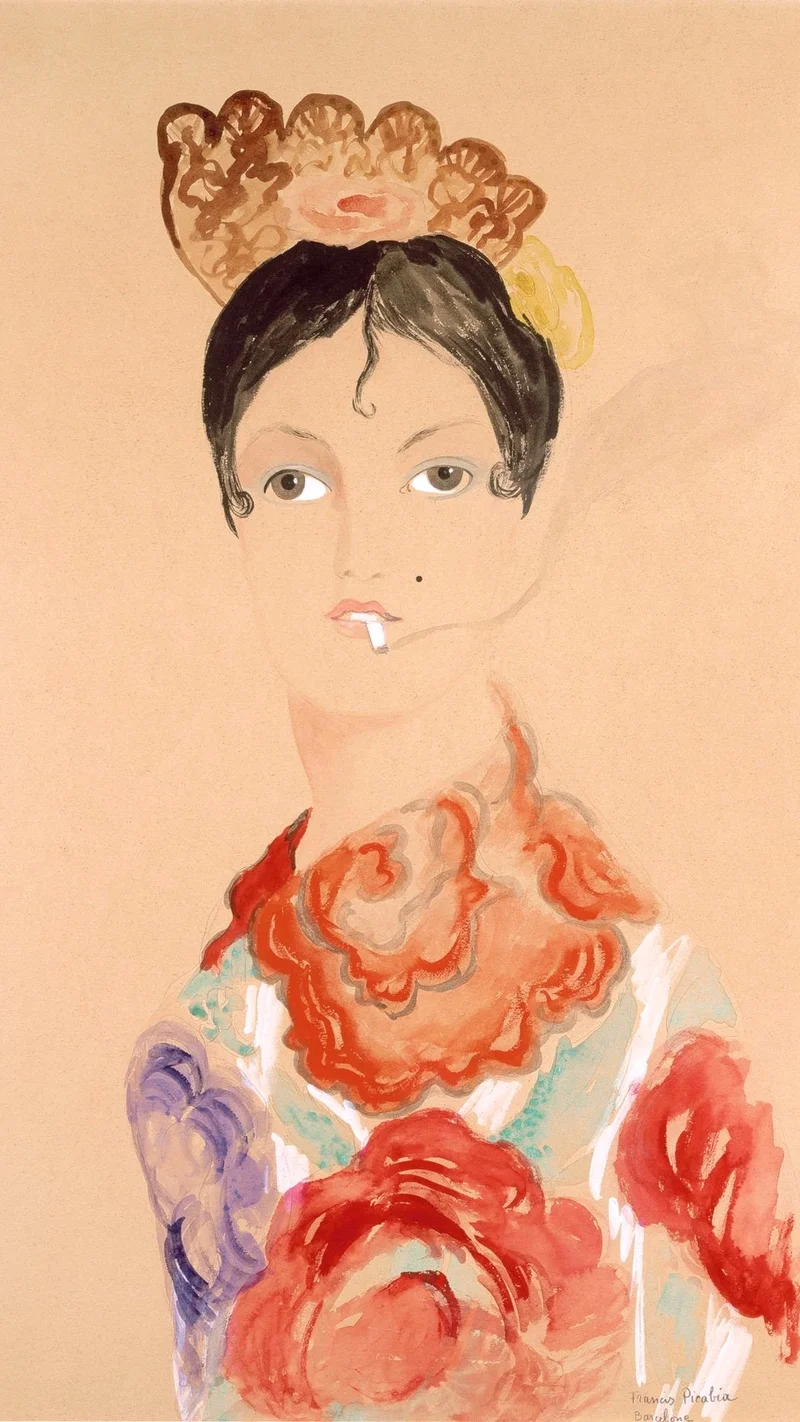
Key figures such as Francis Picabia were instrumental in bridging the movement’s international manifestations, blending mechanical precision with nihilistic humor. His works, including Phosphate, Astrolabe, and the evocative Spanish Woman (Espagnole à la cigarette), exemplify the era’s fascination with fragmented forms and the destabilization of meaning. While Dada was intentionally ephemeral, its conceptual legacy was profound, directly informing the development of Surrealism and Postmodernism. By challenging the definition of art itself, Dada permanently altered the trajectory of twentieth-century modernism, establishing a framework for contemporary practices rooted in institutional critique and performance.