Francis Picabia
6 artworks
Francis Picabia (1879–1953) was a French avant-garde painter, poet, and typographer whose volatile career spanned Impressionism, Cubism, and, most notably, Dadaism. Born in Paris to a wealthy family of Cuban and French descent, Picabia received traditional academic training before radicalizing his practice to challenge the boundaries of aesthetic representation. His work is characterized by a restless pursuit of stylistic reinvention, positioning him as a central figure in the trans-Atlantic dialogue of modernism during the early twentieth century.
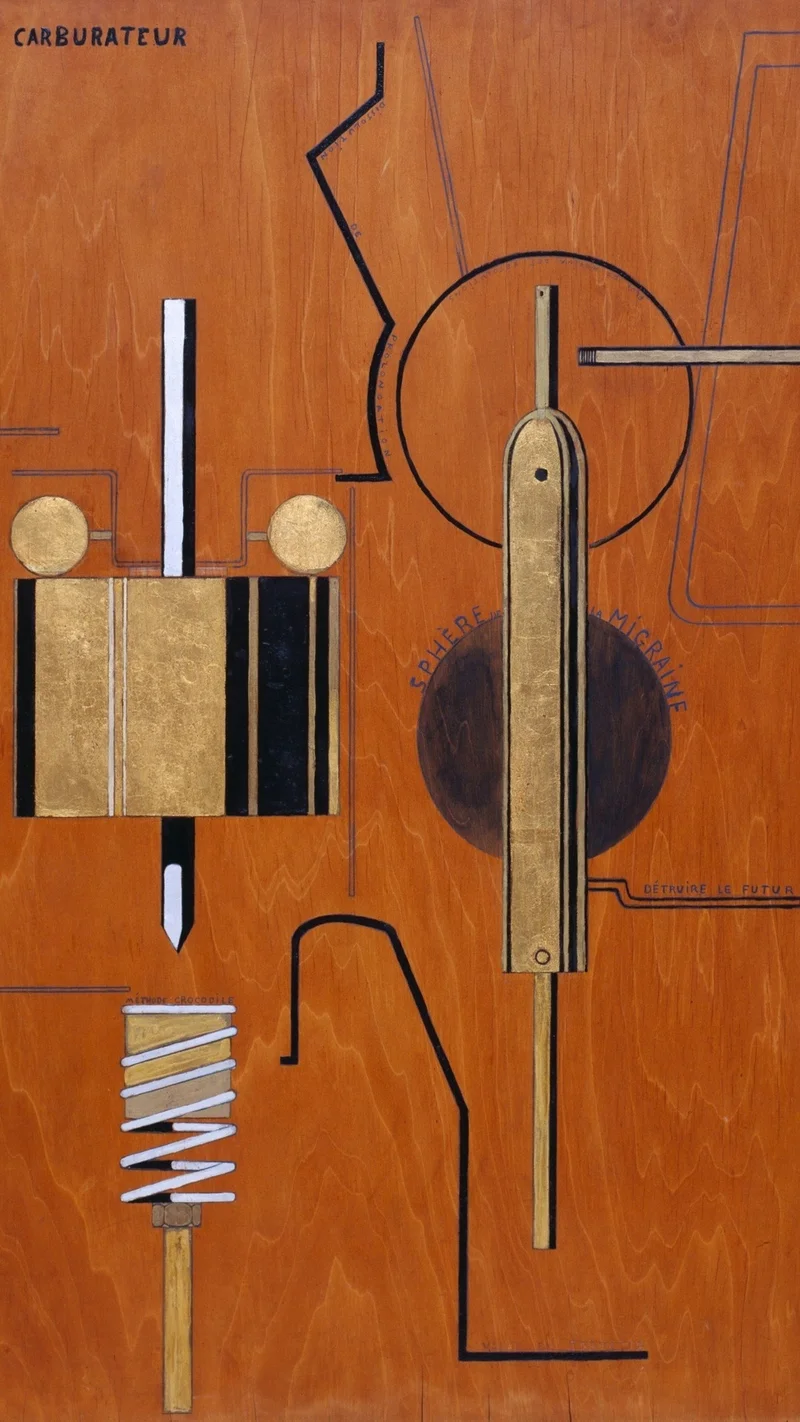
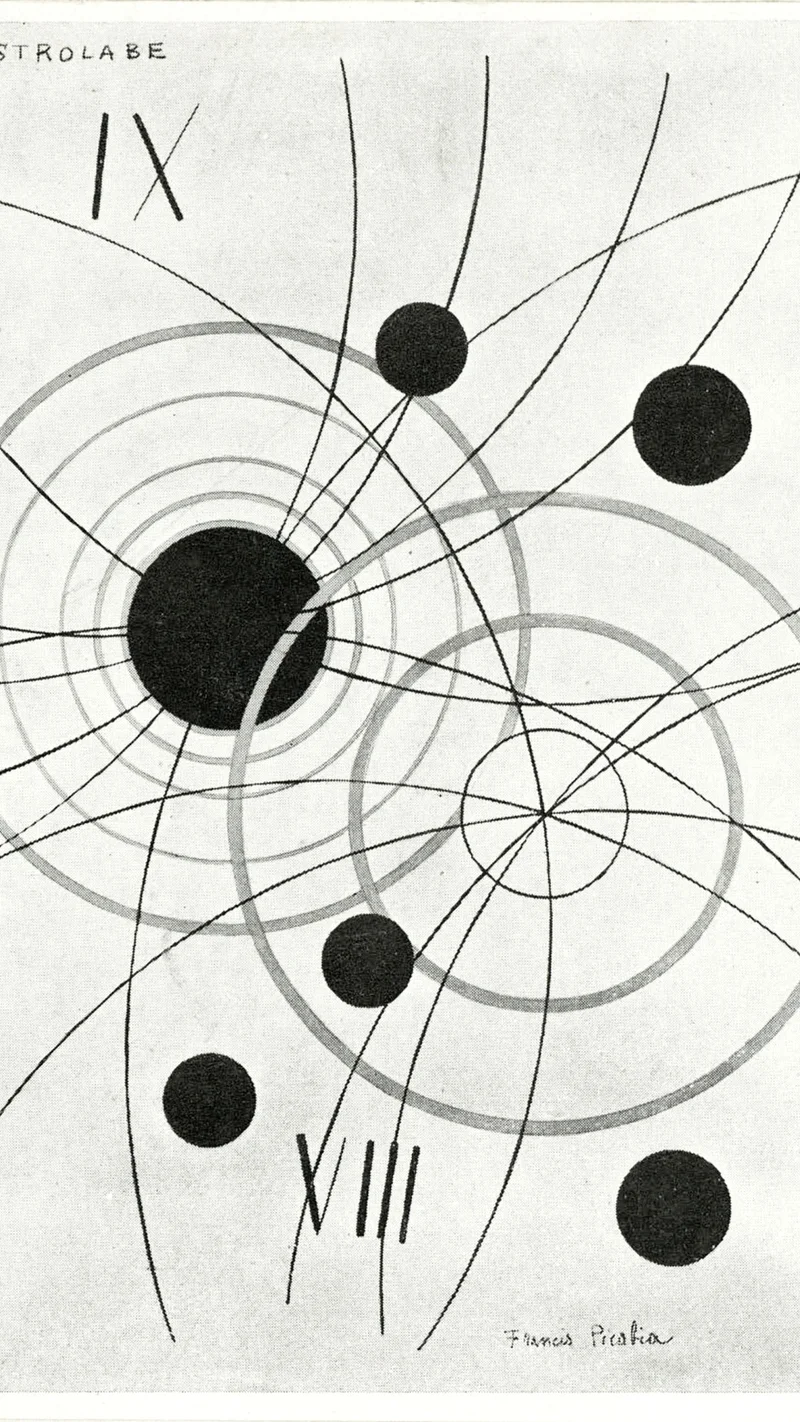
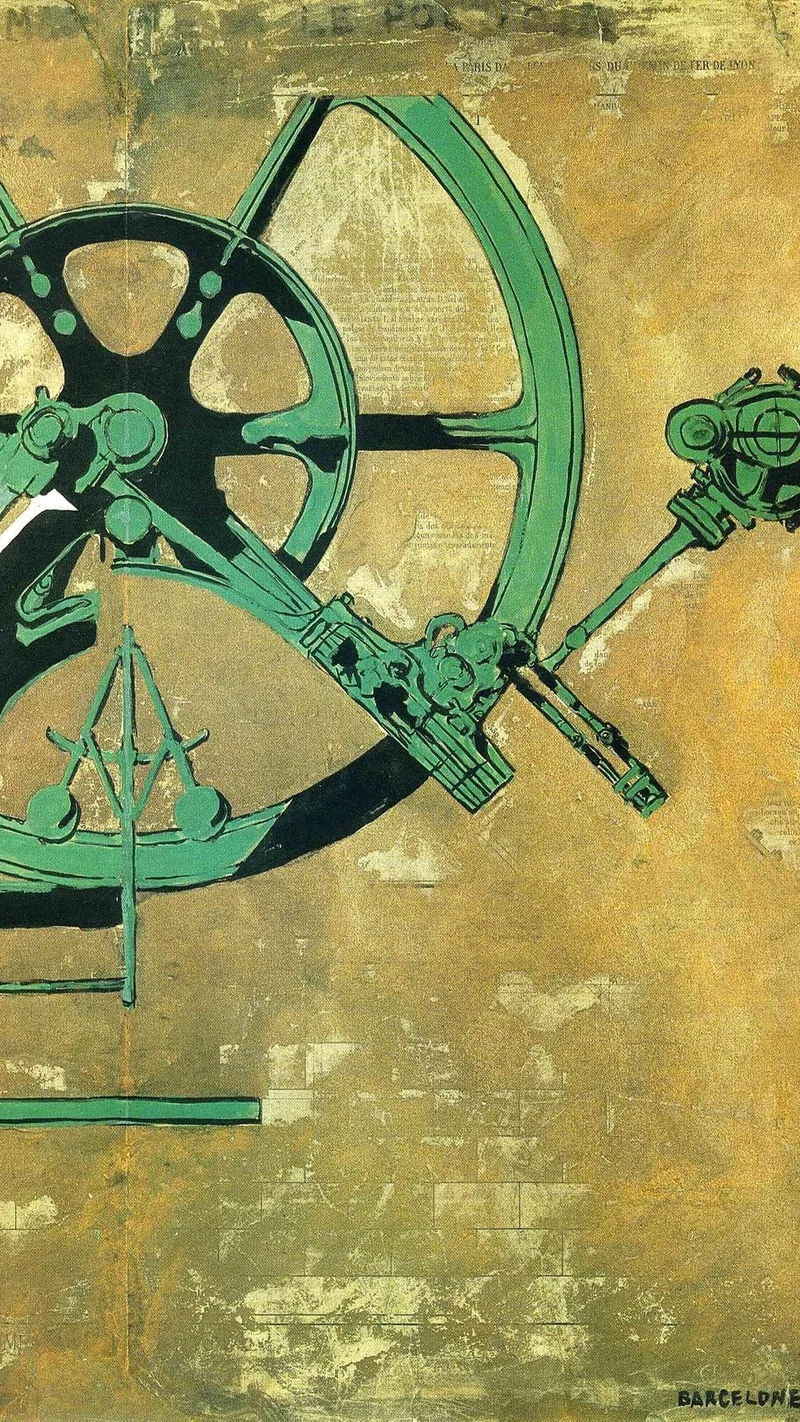
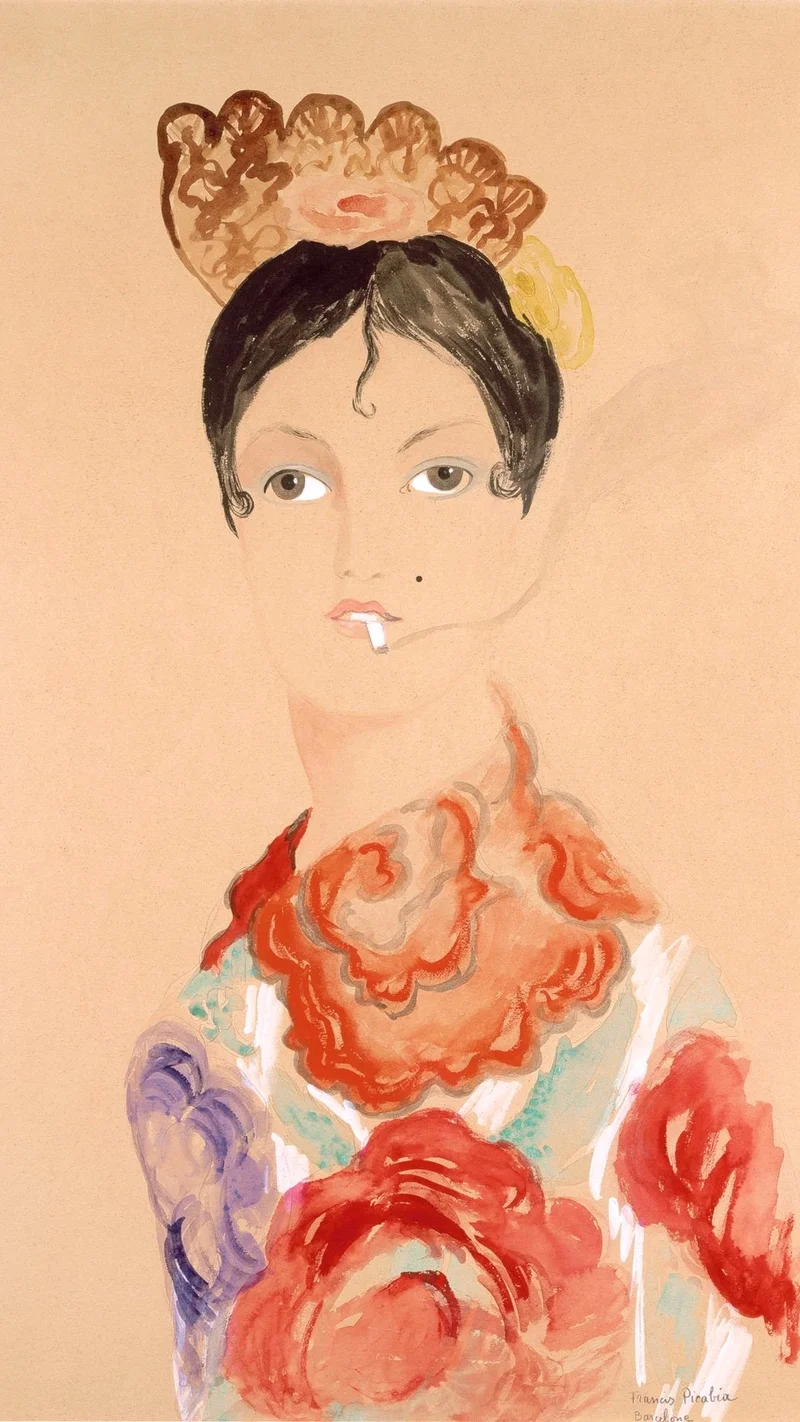
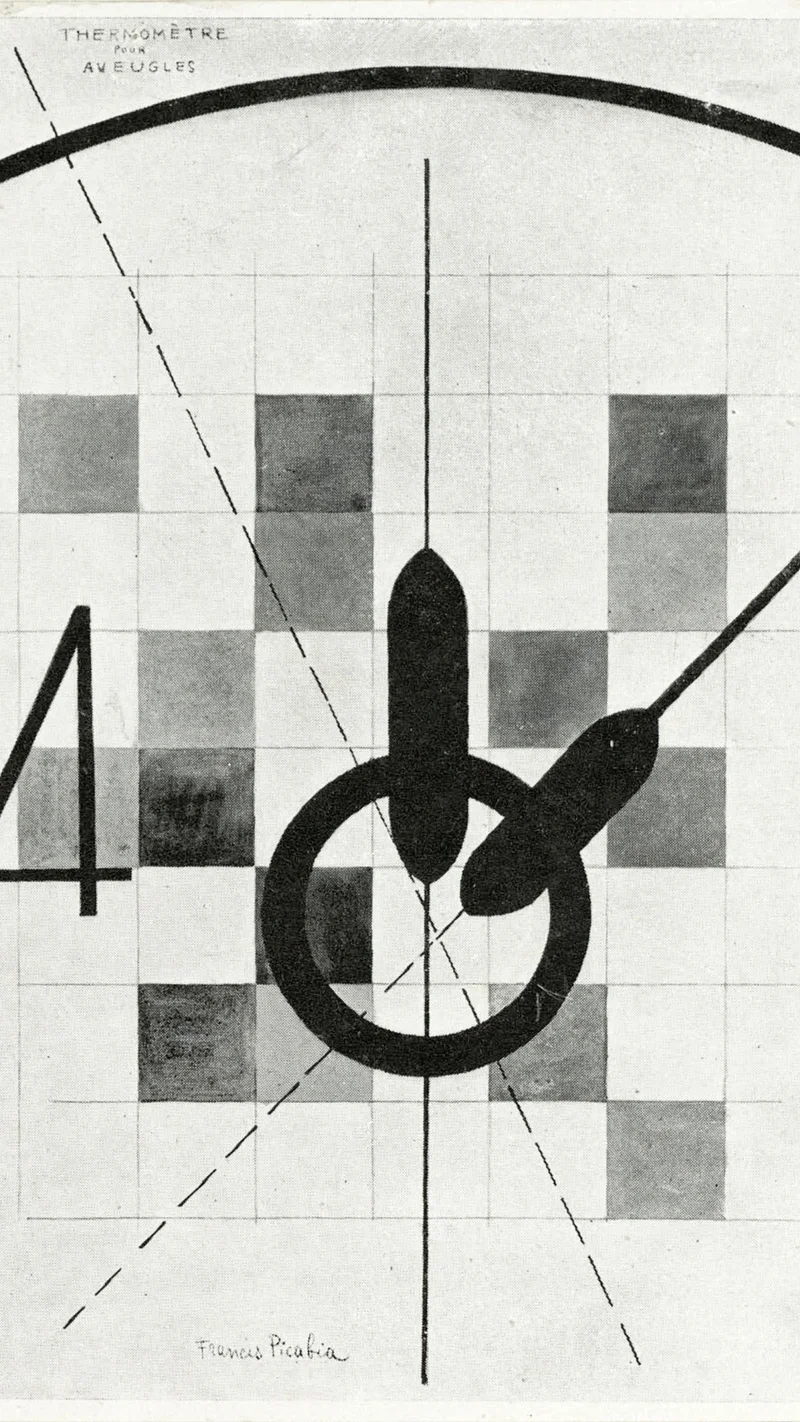
Picabia’s technical approach often relied on the appropriation of mechanical imagery, recontextualized to subvert the distinction between industrial precision and human intuition. His compositions frequently utilize a rhythmic, almost diagrammatic structure that critiques the rationality of the machine age. This is evident in works such as Phosphate, Astrolabe, and The Child Carburetor, where complex, cold-lined geometries intersect with the organic fluidity of the human figure, as seen in Spanish Woman (Espagnole à la cigarette). His interest in the absurd is further articulated in Thermometer for Blind People and Daughter Bornwithouta Mother, pieces that reflect a deliberate irony toward the sanctity of the artistic object.
By systematically dismantling the hierarchies of traditional fine art, Picabia secured his place as a primary catalyst for the development of conceptual practices. His legacy resides in his refusal to adopt a singular signature style, which effectively broadened the possibilities for subsequent artists to explore subversion, irony, and the intersection of visual art with literary theory.