Camille Pissarro
23 artworks
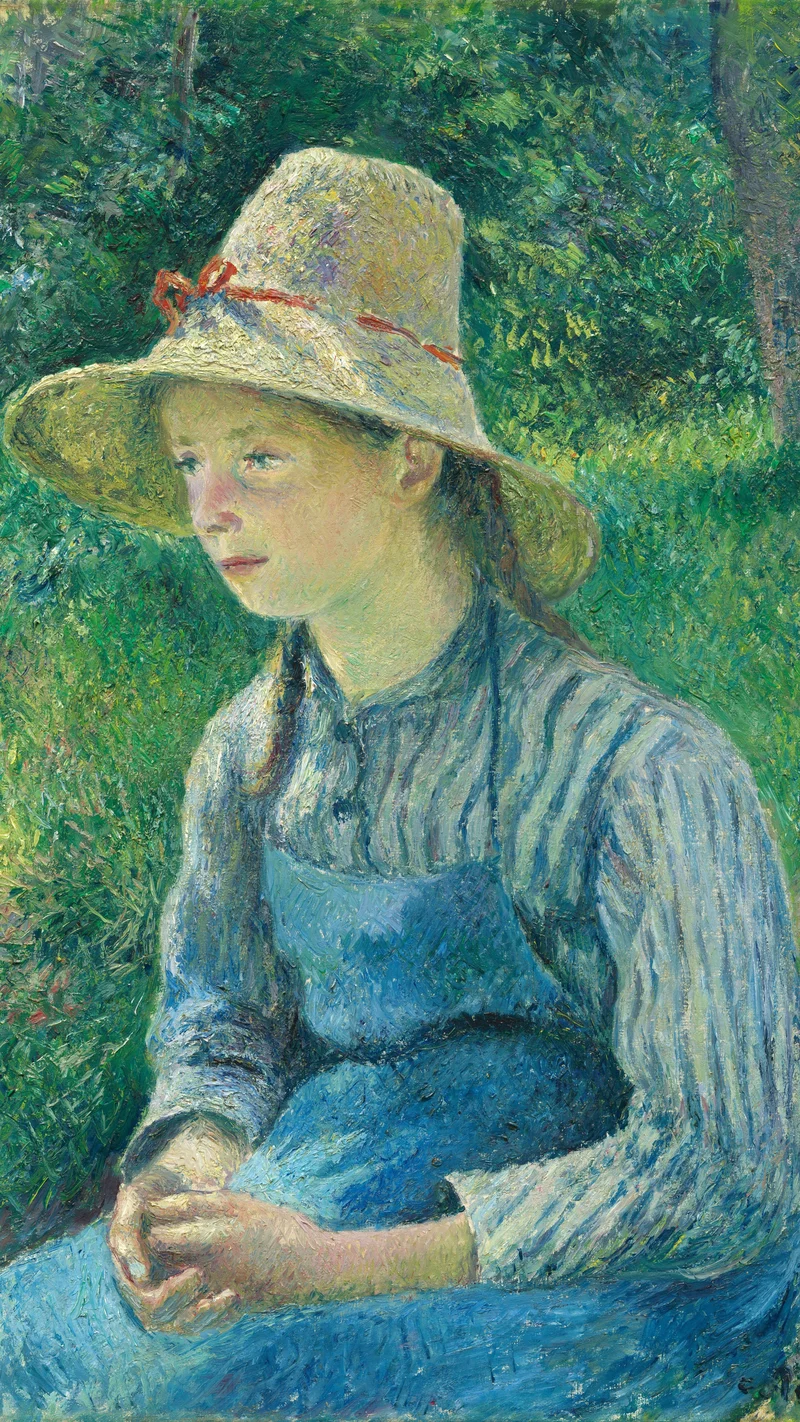
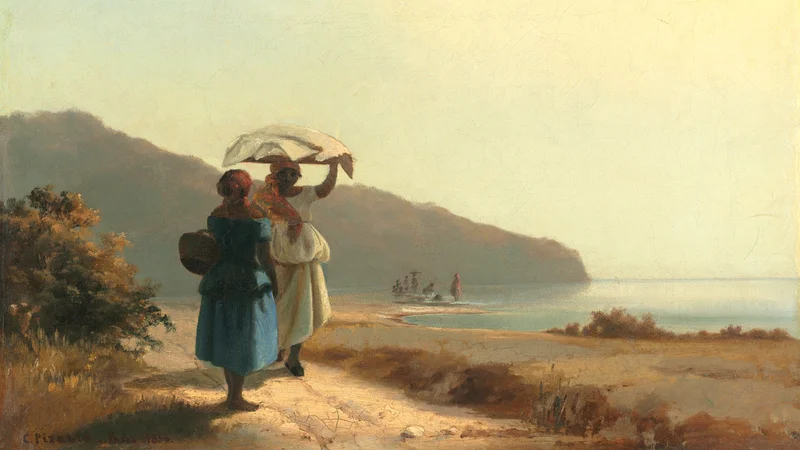
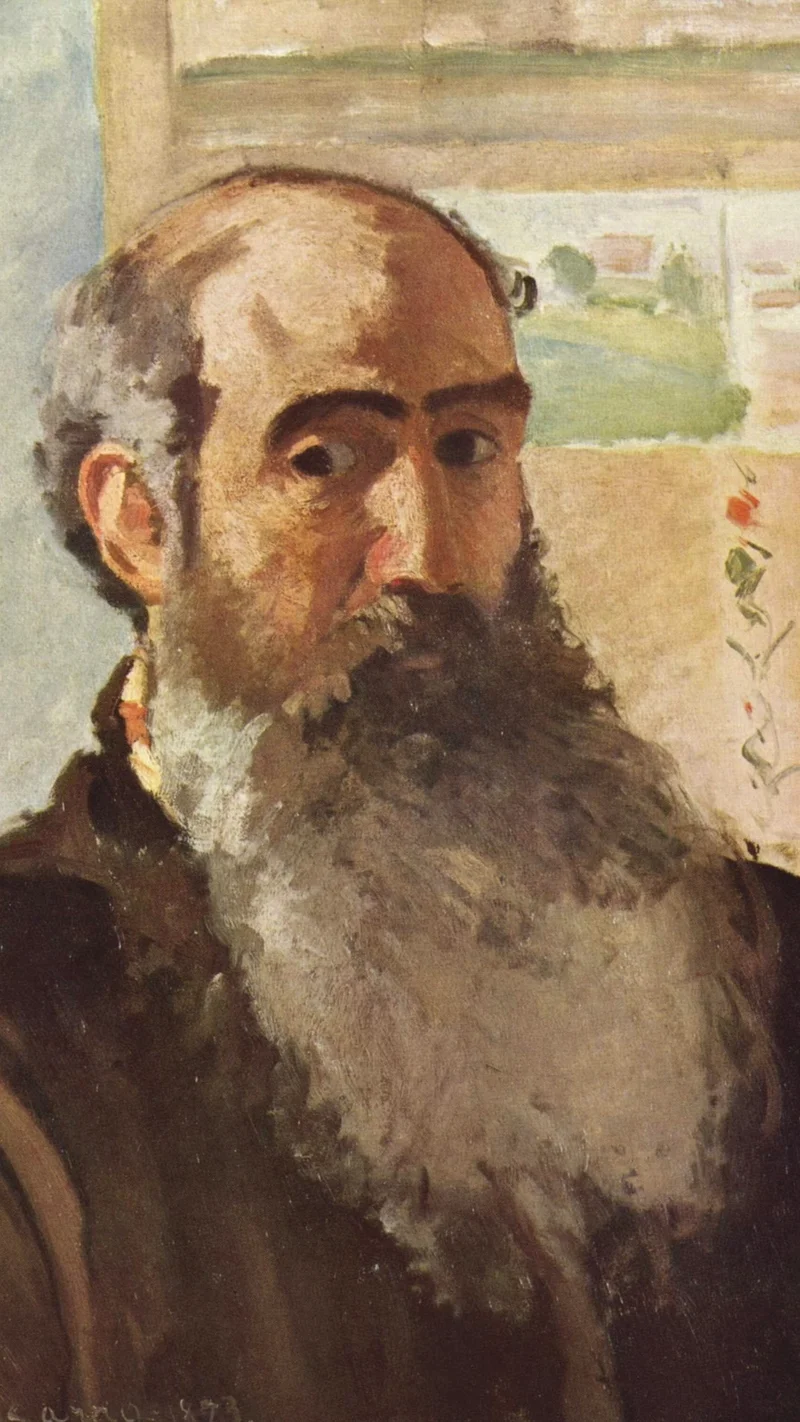
Camille Pissarro (1830–1903) was a Danish-French painter and a foundational figure in the development of Impressionism. Born in the West Indies, he later moved to Paris, where he received formal training at the École des Beaux-Arts and the Académie Suisse. Pissarro’s professional trajectory was marked by his unwavering commitment to the avant-garde, leading him to become the only artist to exhibit in all eight of the Impressionist exhibitions held between 1874 and 1886. His work serves as a vital bridge between the mid-century landscapes of Camille Corot and the radical color theories of the later Neo-Impressionists.
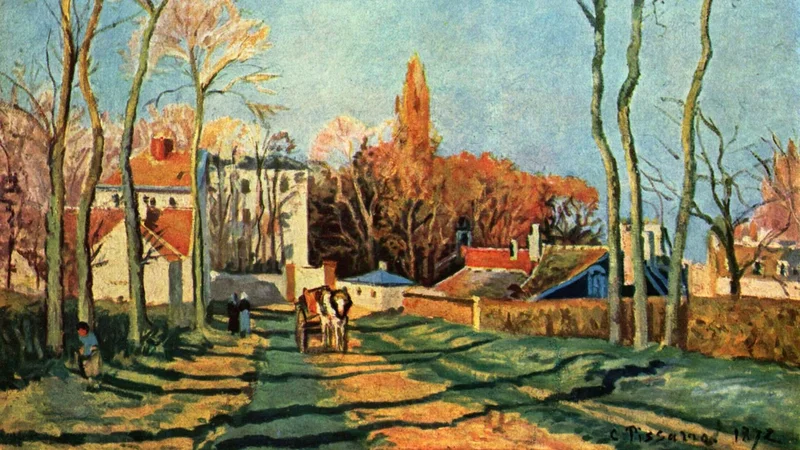
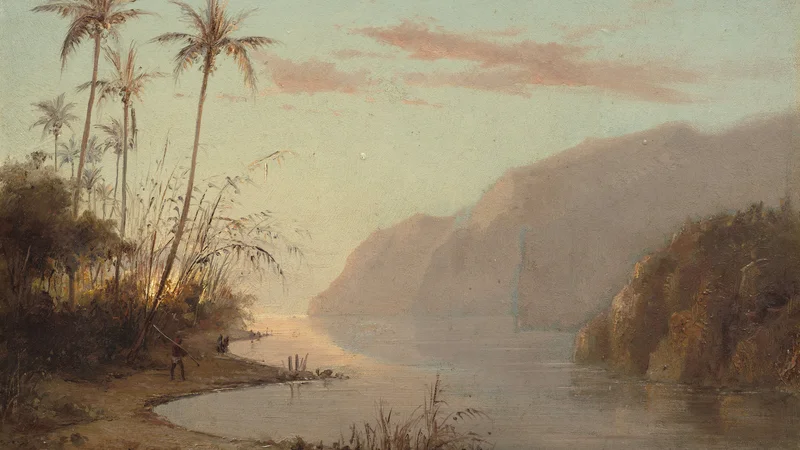
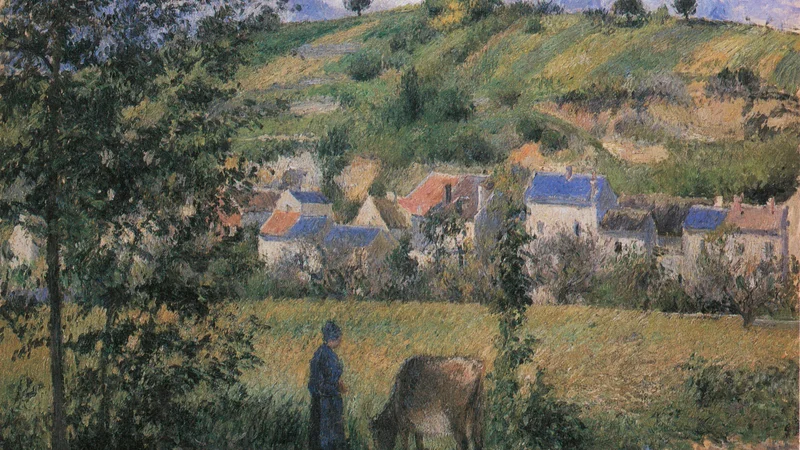
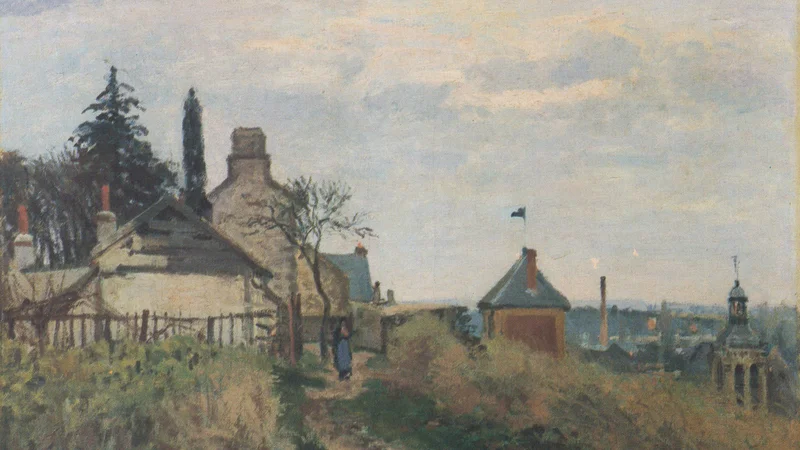
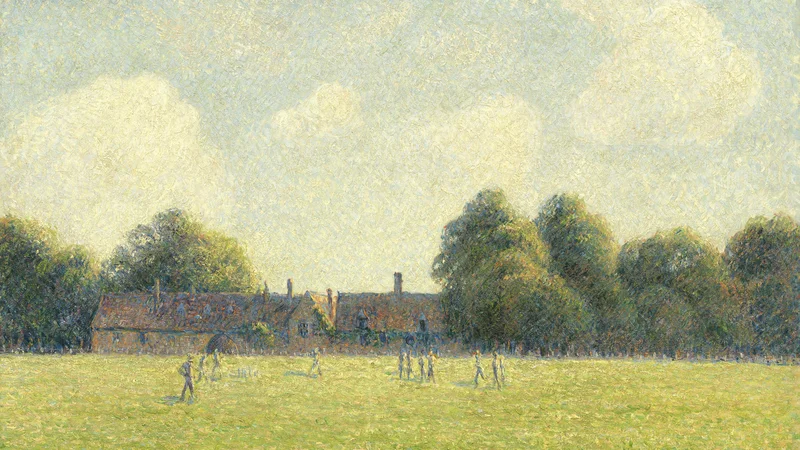
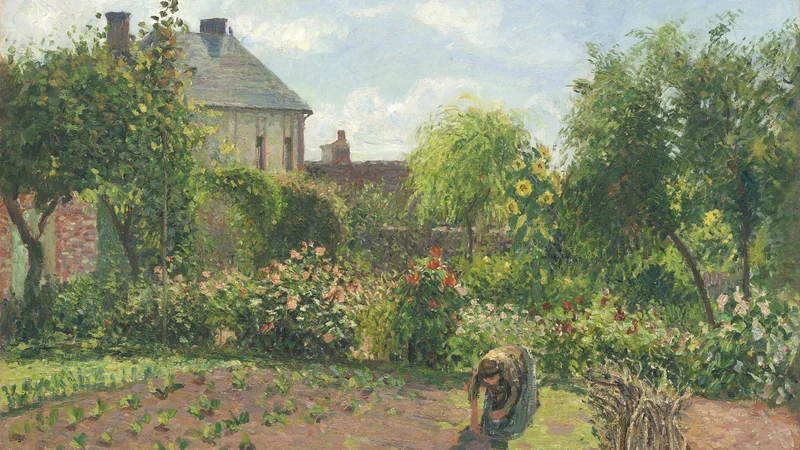
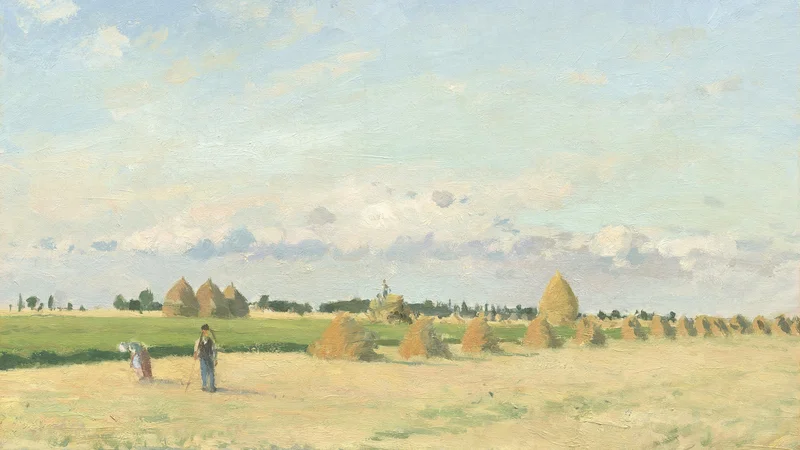
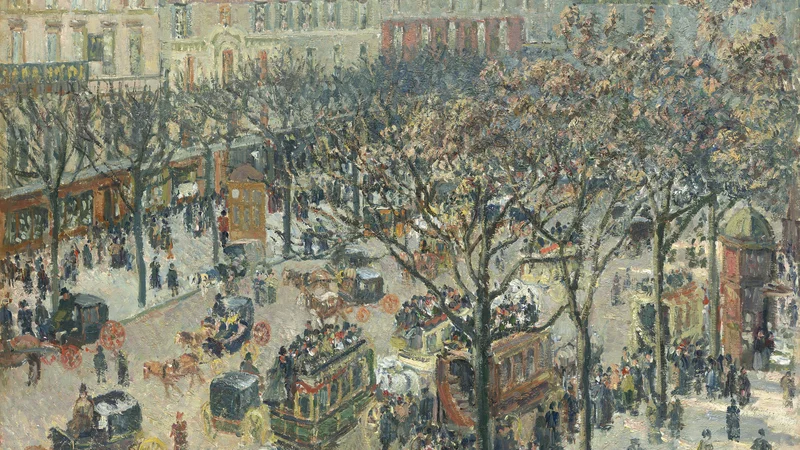
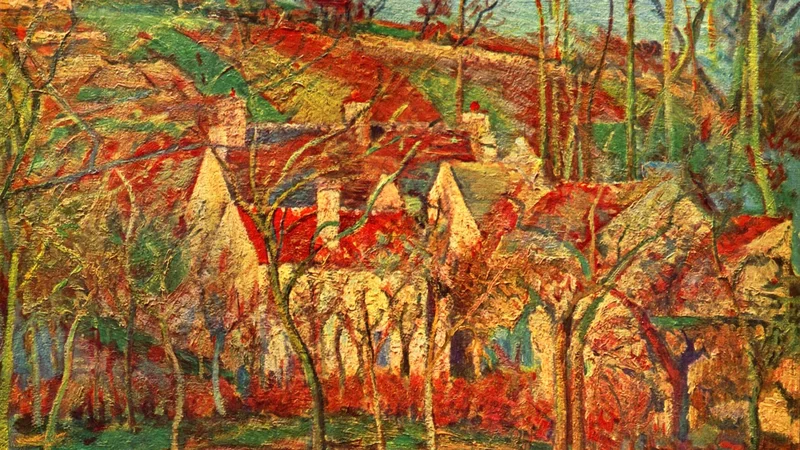
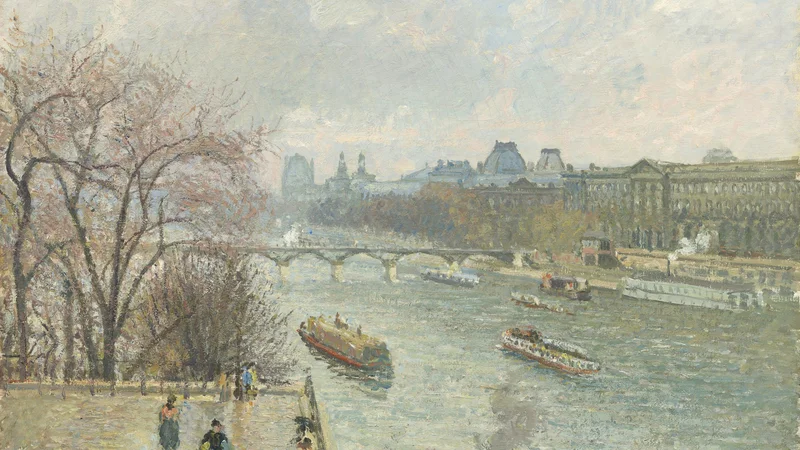
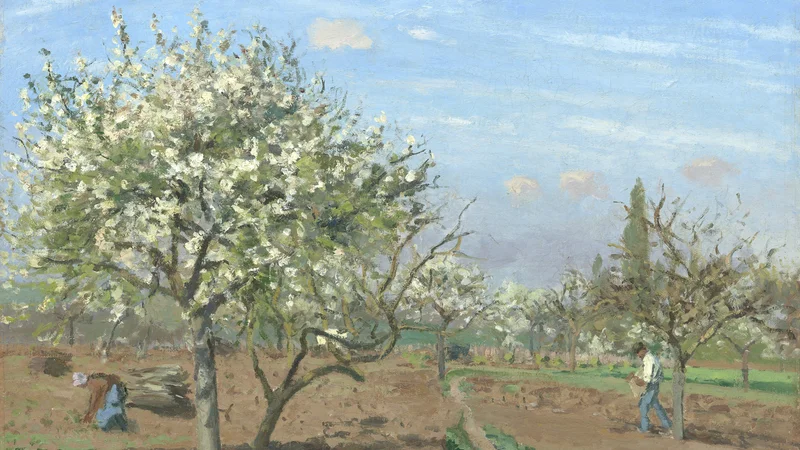
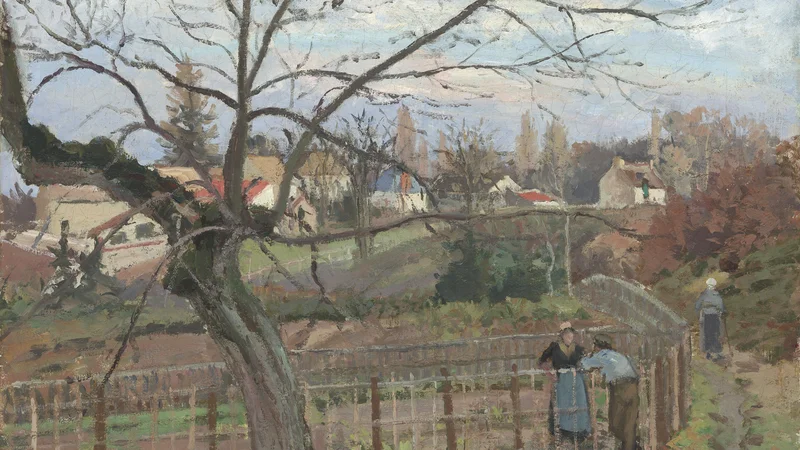
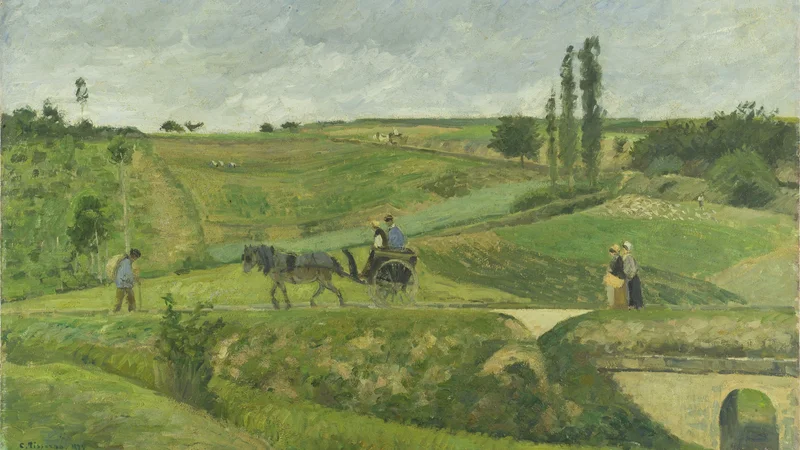
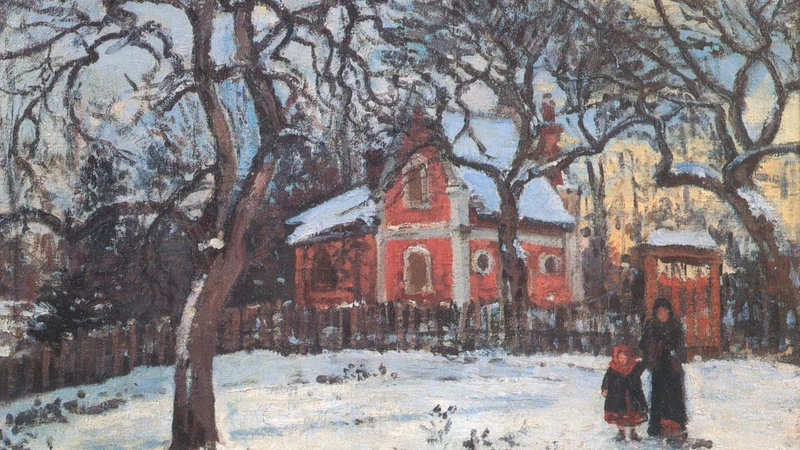
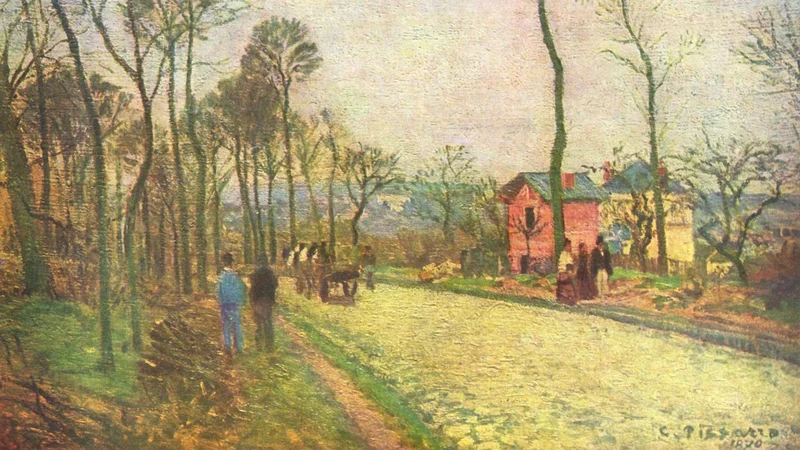
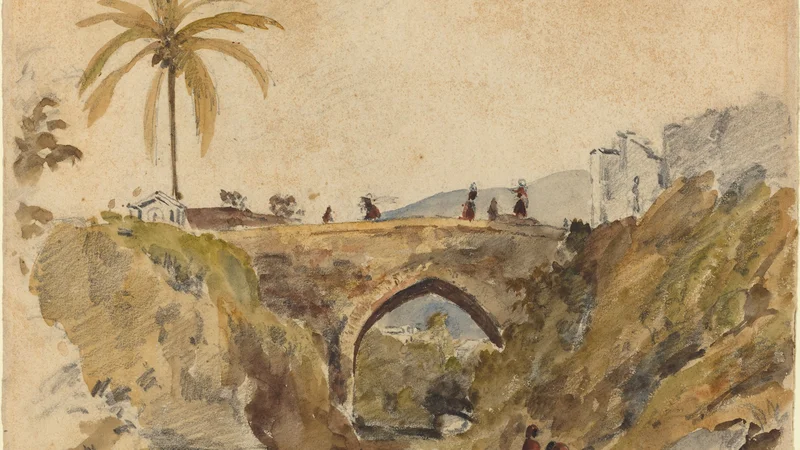
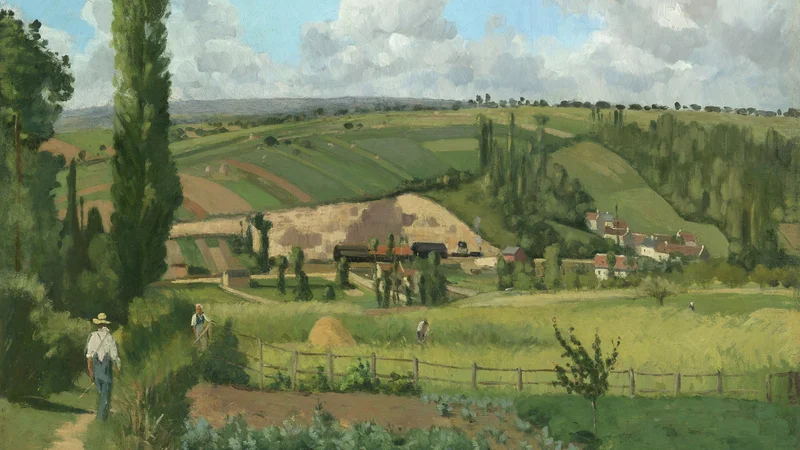
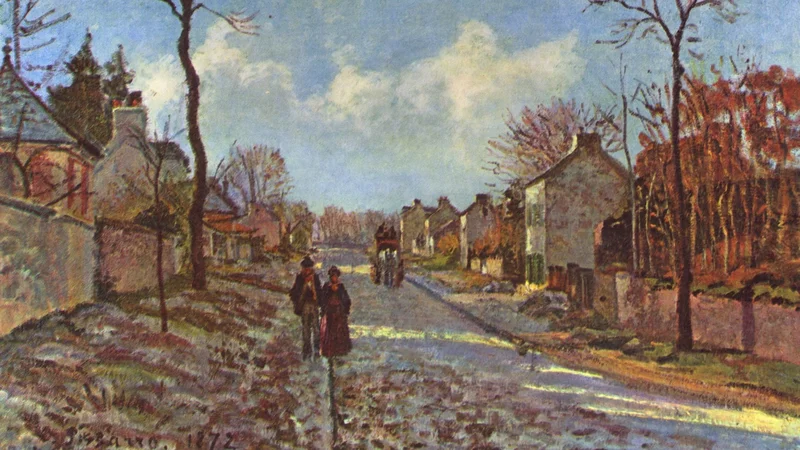
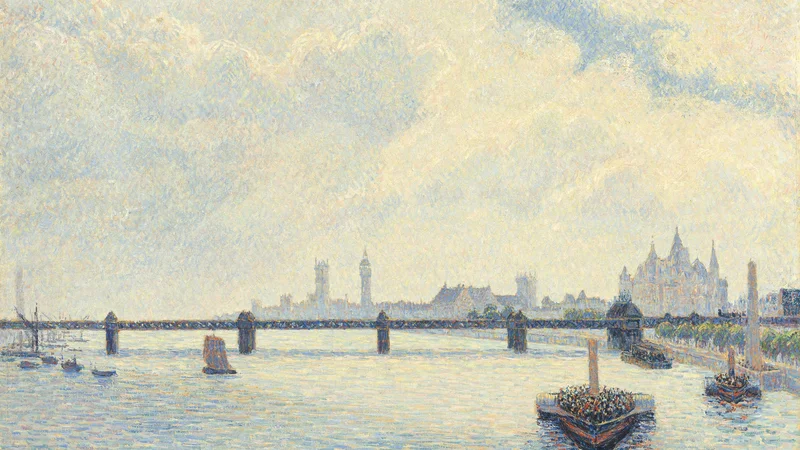
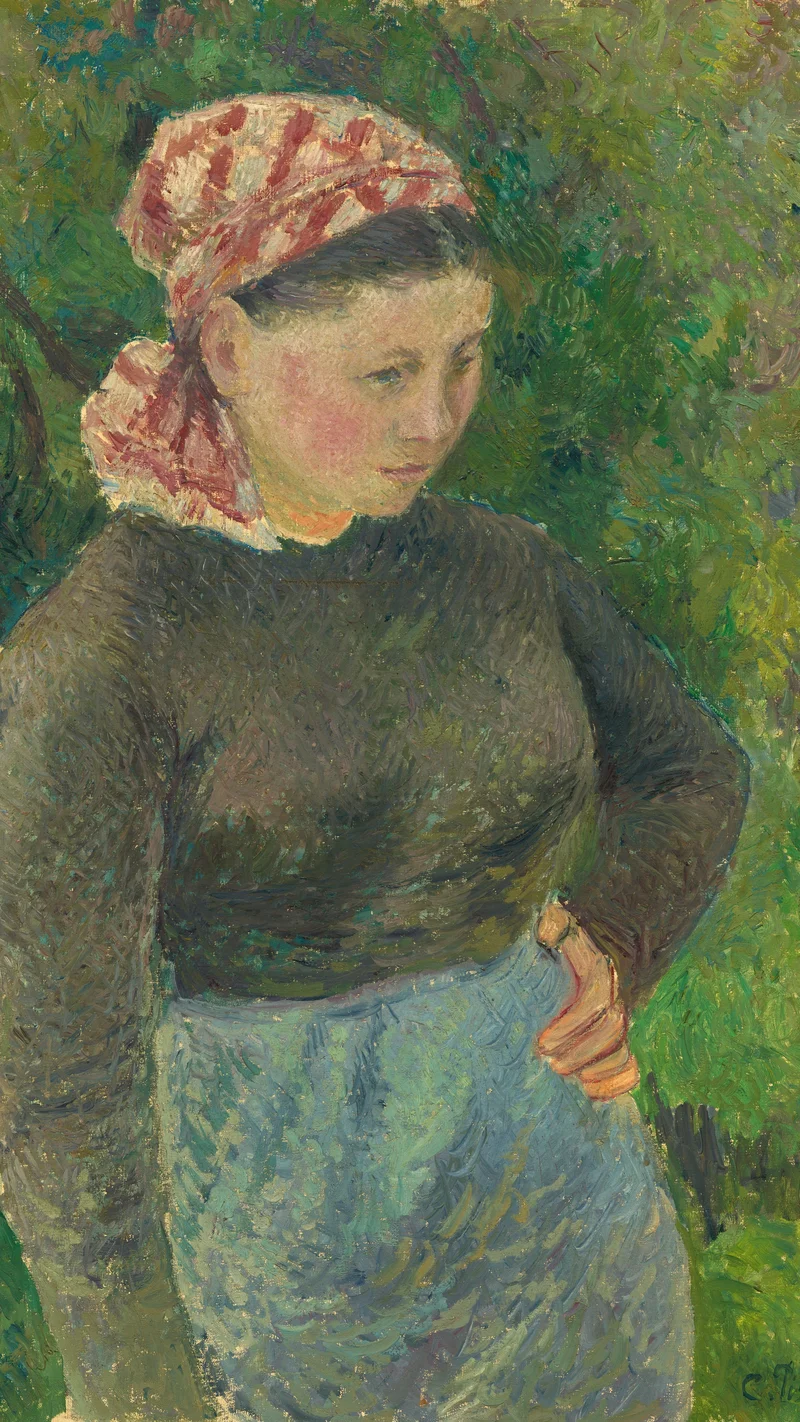
Technically, Pissarro favored the en plein air approach, focusing on the transient qualities of light and the structured rhythm of rural labor. His canvases, such as Entrance to Voisins, Landscape, Ile-de-France, and Road to Ennery, demonstrate a keen interest in the atmospheric conditions of the French countryside. In works like Landscape at Les Pâtis, Pontoise, A Creek in St. Thomas, and The Red House, Winter, he utilized short, broken brushstrokes to capture the texture of the earth and the shifting effects of the seasons. His rigorous observation of natural form remained a constant, even as his palette evolved from earthy tones to the vibrant, fragmented color application of his later years.
As a mentor and organizer, Pissarro held an unparalleled position of influence among his peers, providing guidance to Paul Cézanne and Paul Gauguin while advocating for the collective exhibition model. His dedication to capturing the honest, unidealized character of the landscape established a new paradigm for modern painting. By prioritizing the structural integrity of a composition alongside optical precision, he secured his role as a central architect of modern art, whose historical impact remains deeply embedded in the trajectory of the late nineteenth-century European movement.