Dada
9 artworks
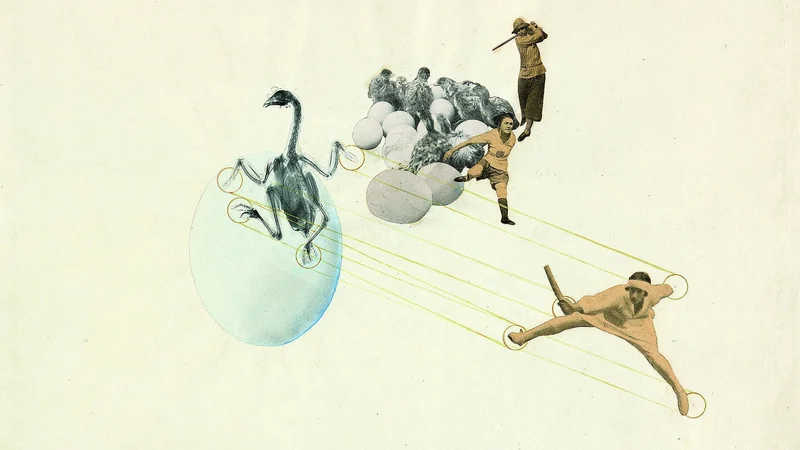
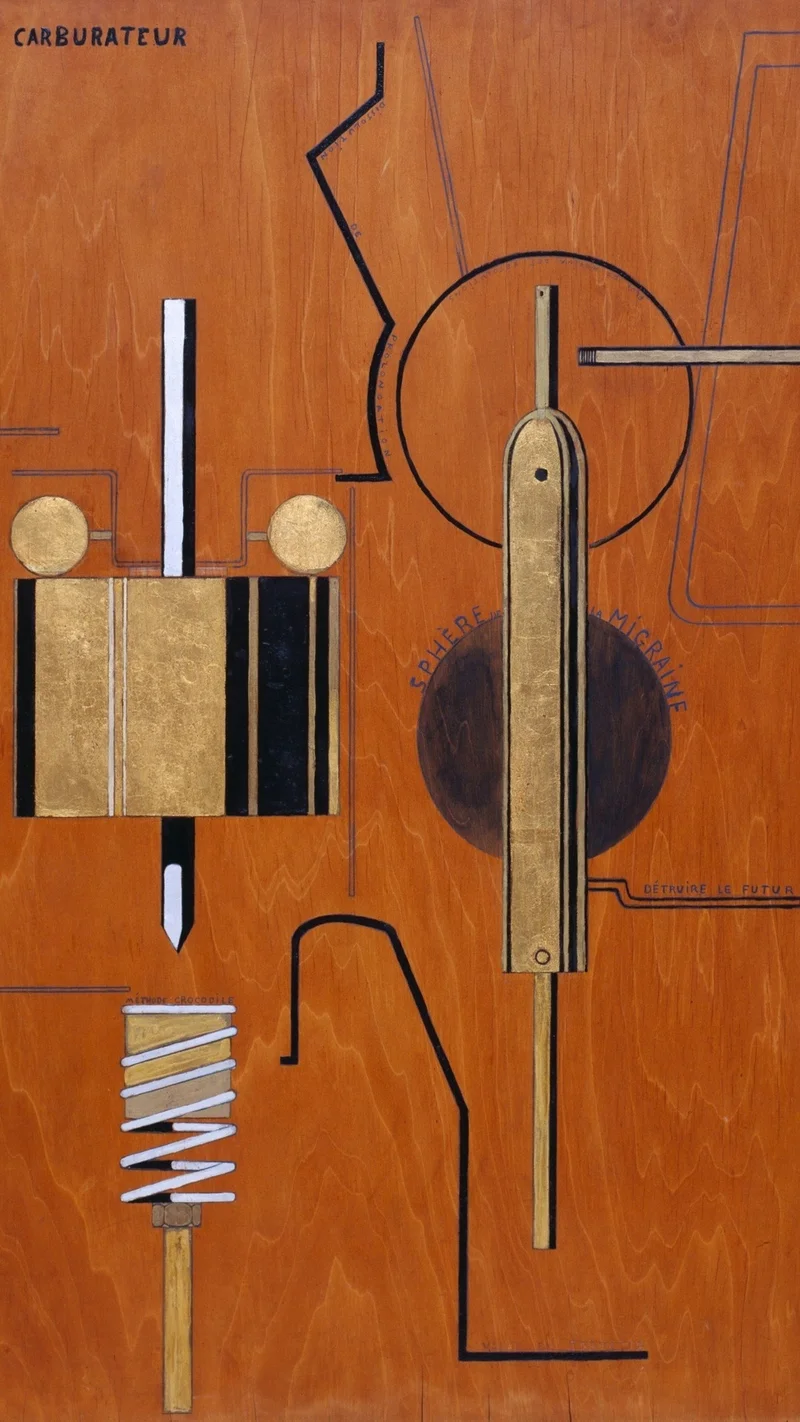
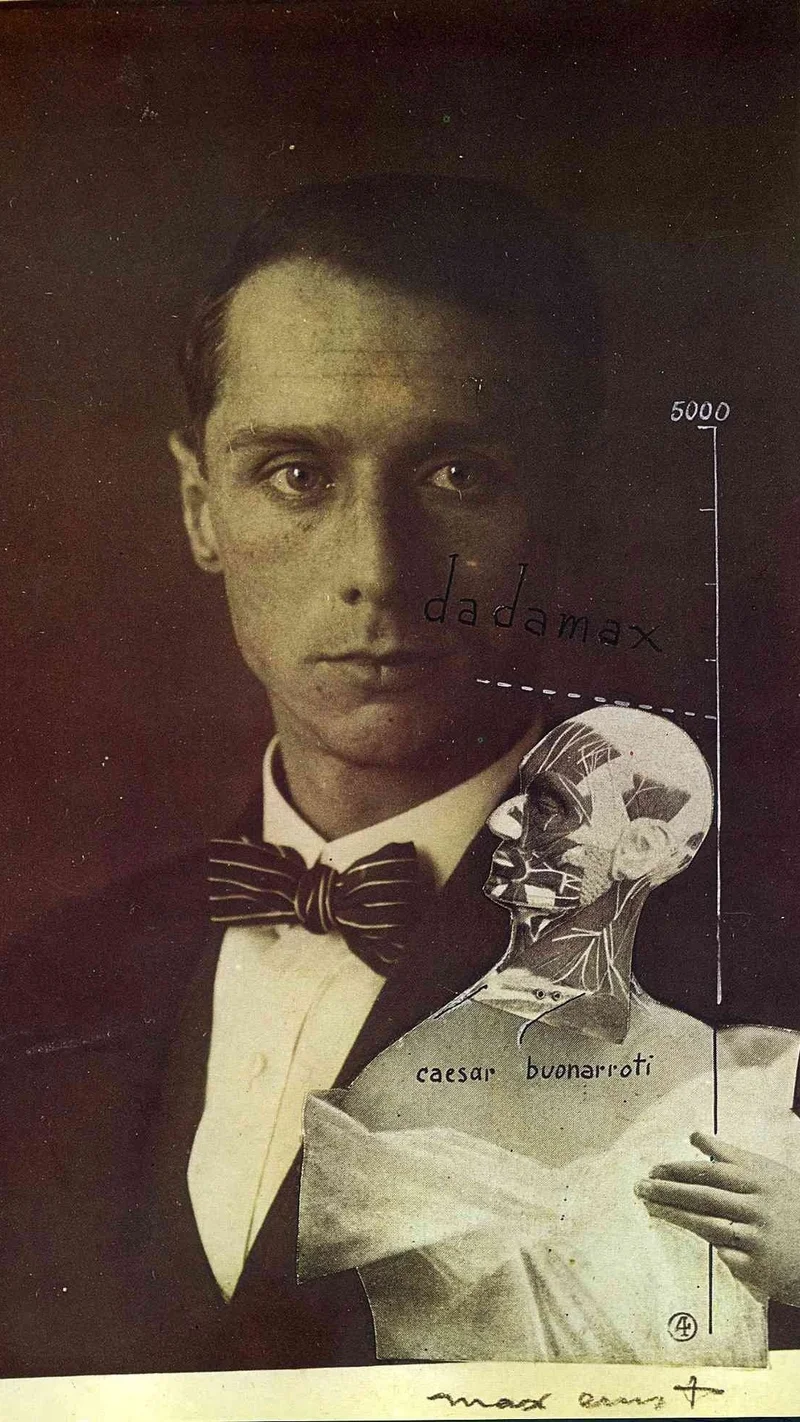
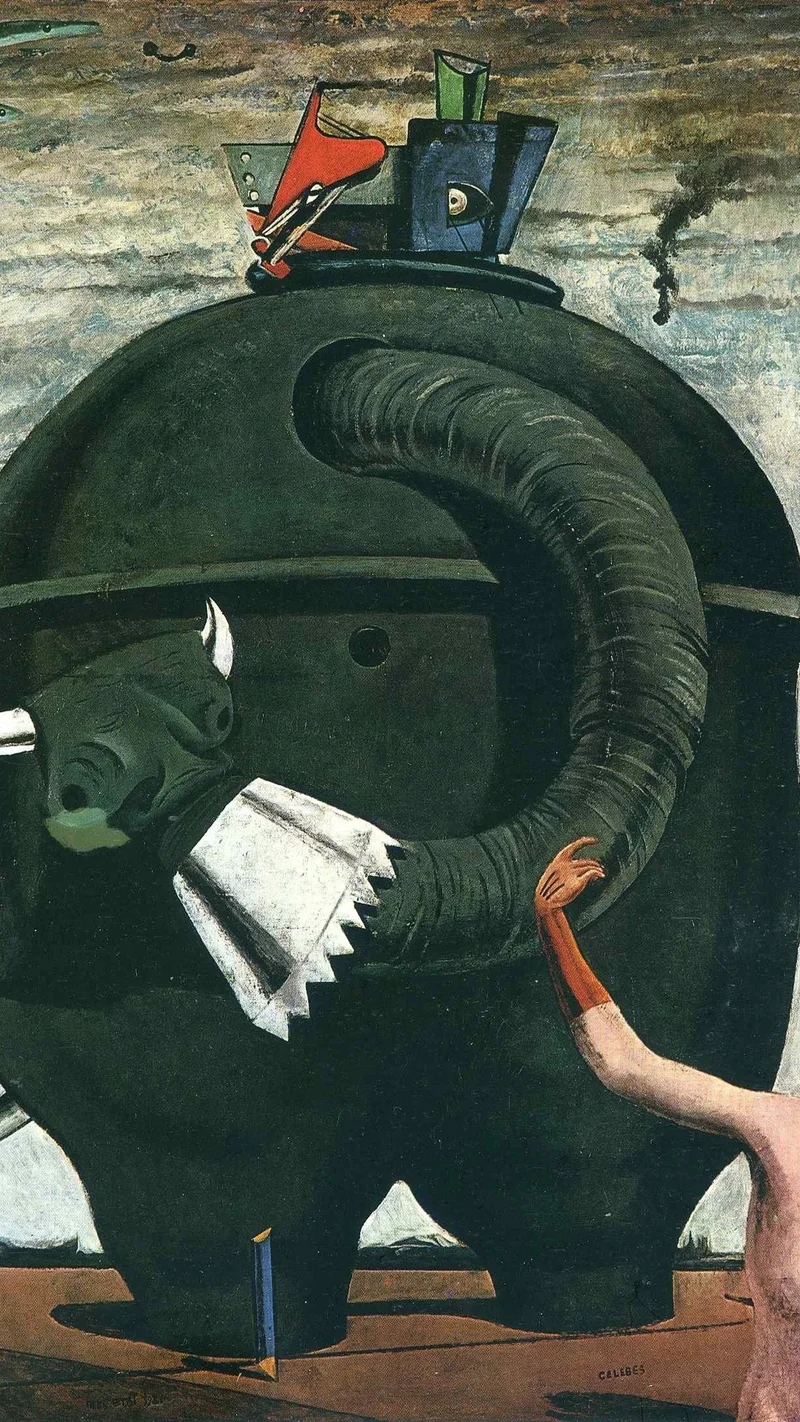
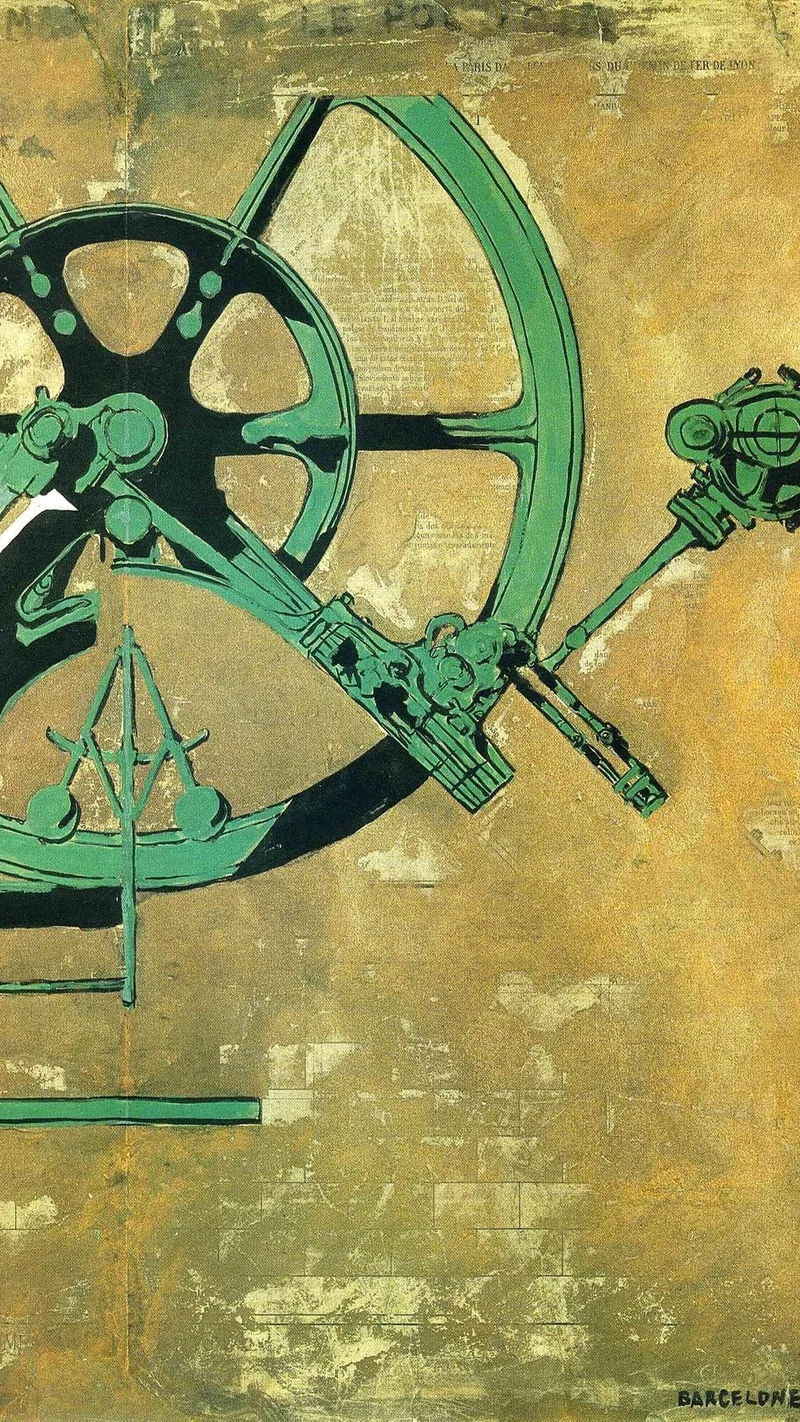
Emerging in Zurich in 1916 as a visceral reaction to the catastrophe of the First World War, Dada functioned as a deliberate dismantling of traditional aesthetic logic. By rejecting established compositional rules and the sanctity of the brush, proponents such as Max Ernst and Francis Picabia utilized the readymade and mechanical fragmentation to challenge the bourgeois definition of art. In works like The Elephant Celebes and The Child Carburetor, Ernst and Picabia eschewed harmonious color theory in favor of jarring, surreal juxtapositions that prioritized conceptual absurdity over classical mimesis. This radical approach effectively weaponized irrationality against the rationalism that had allegedly led European civilization into global conflict.
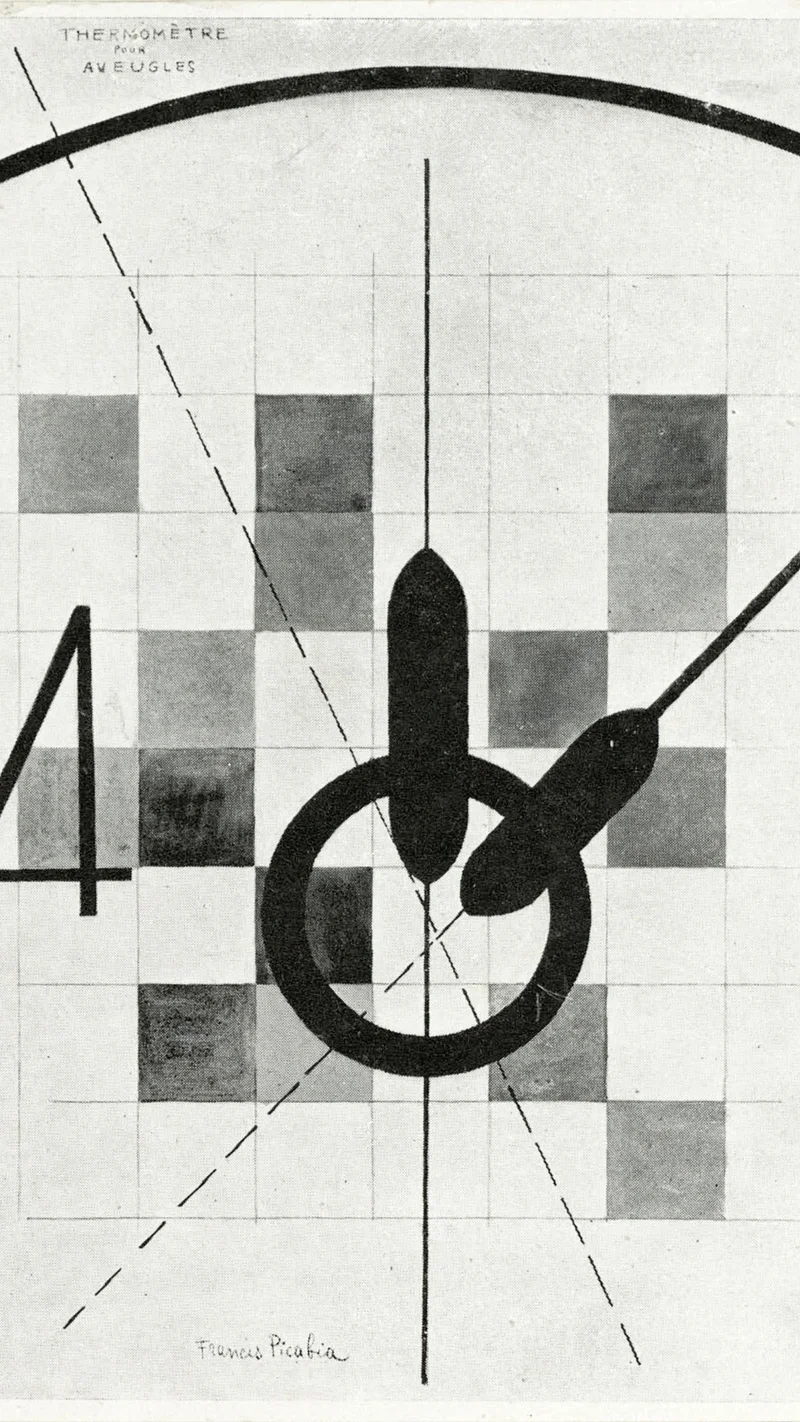
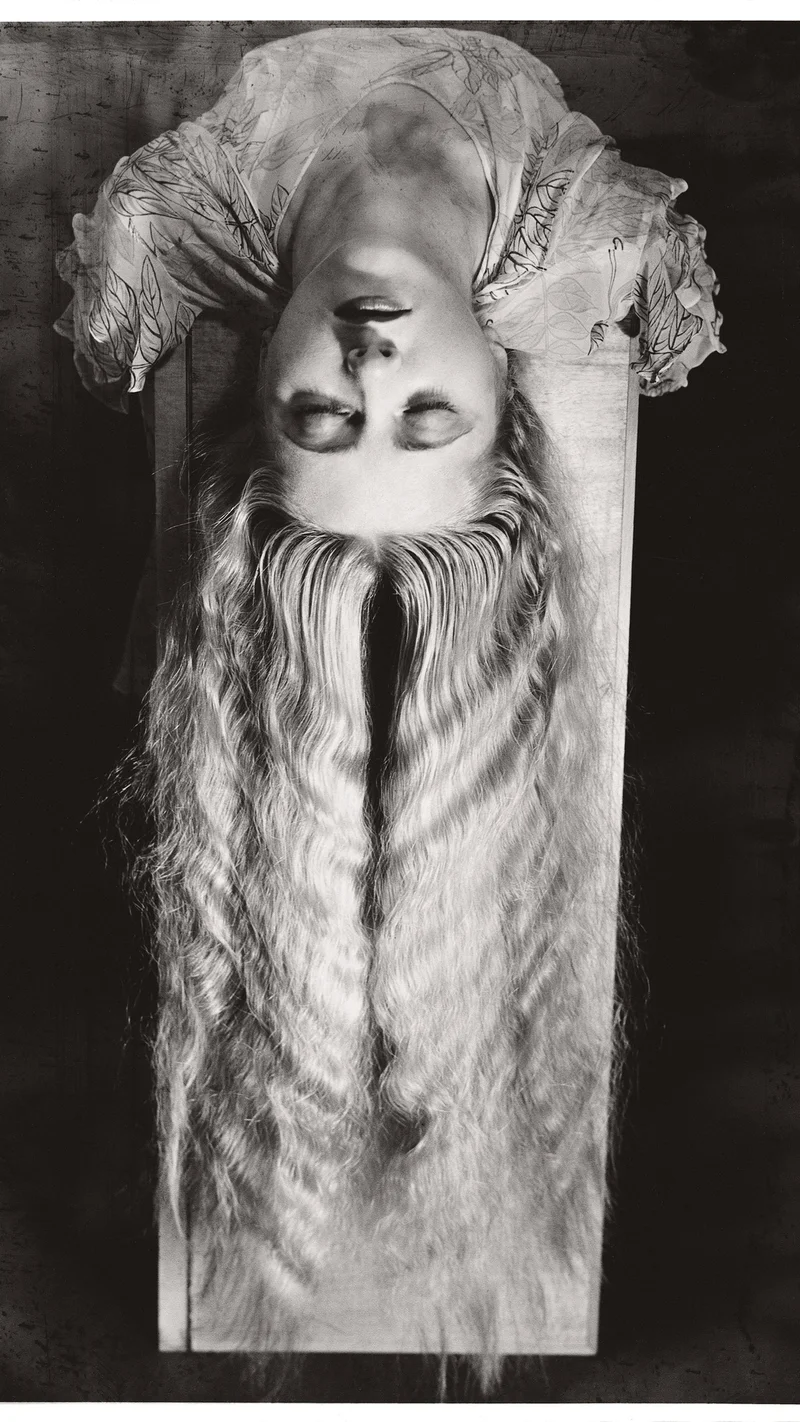
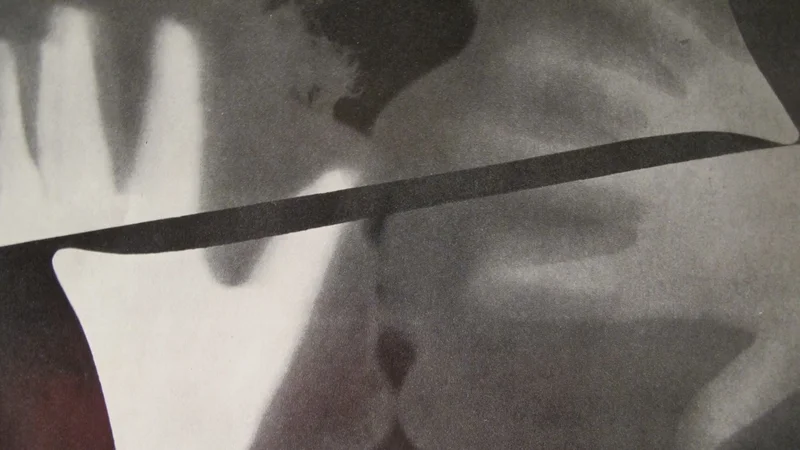
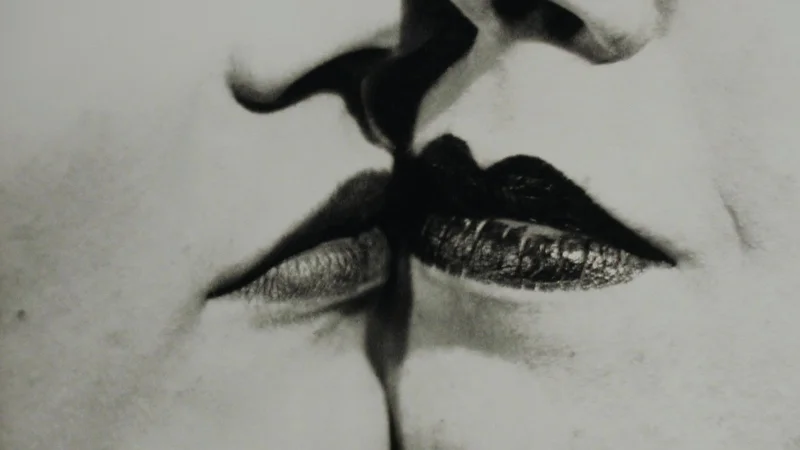
The movement’s technical innovations expanded significantly through the experiments of Man Ray and László Moholy-Nagy, who pushed the boundaries of light handling and optical perception. Man Ray’s development of the Rayograph, exemplified by The Kiss, utilized direct light exposure to redefine the photographic image, while his Thermometer for Blind People and Picabia’s Once a Chicken, Always a Chicken interrogated the relationship between the object and the linguistic sign. Similarly, the structural experimentation found in Woman with Long Hair demonstrated a departure from representational fidelity. Ultimately, the Dada legacy lies in its foundational contribution to the avant-garde, establishing a precedent for conceptualism and the subversion of institutional art structures that persists in contemporary discourse.