Native Art

11 artworks

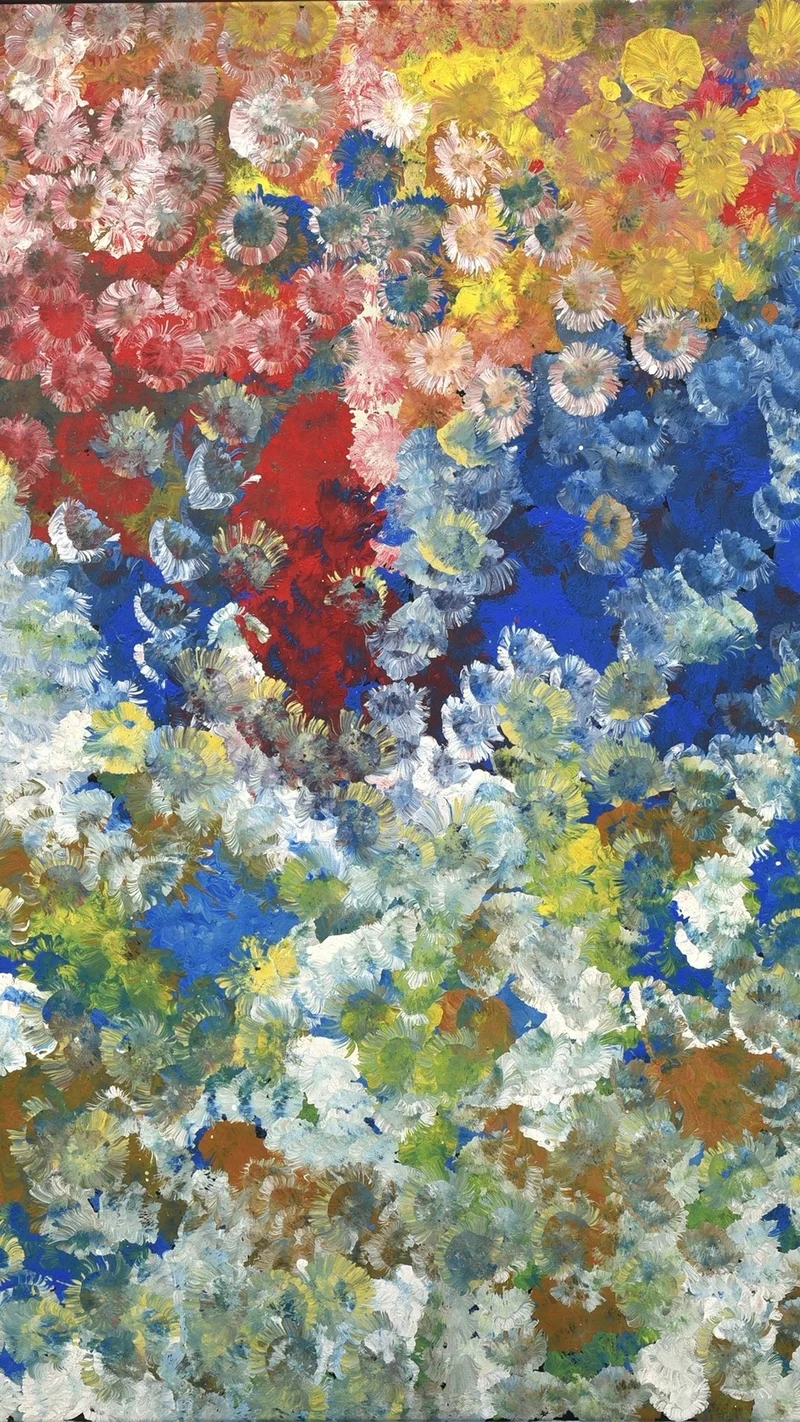
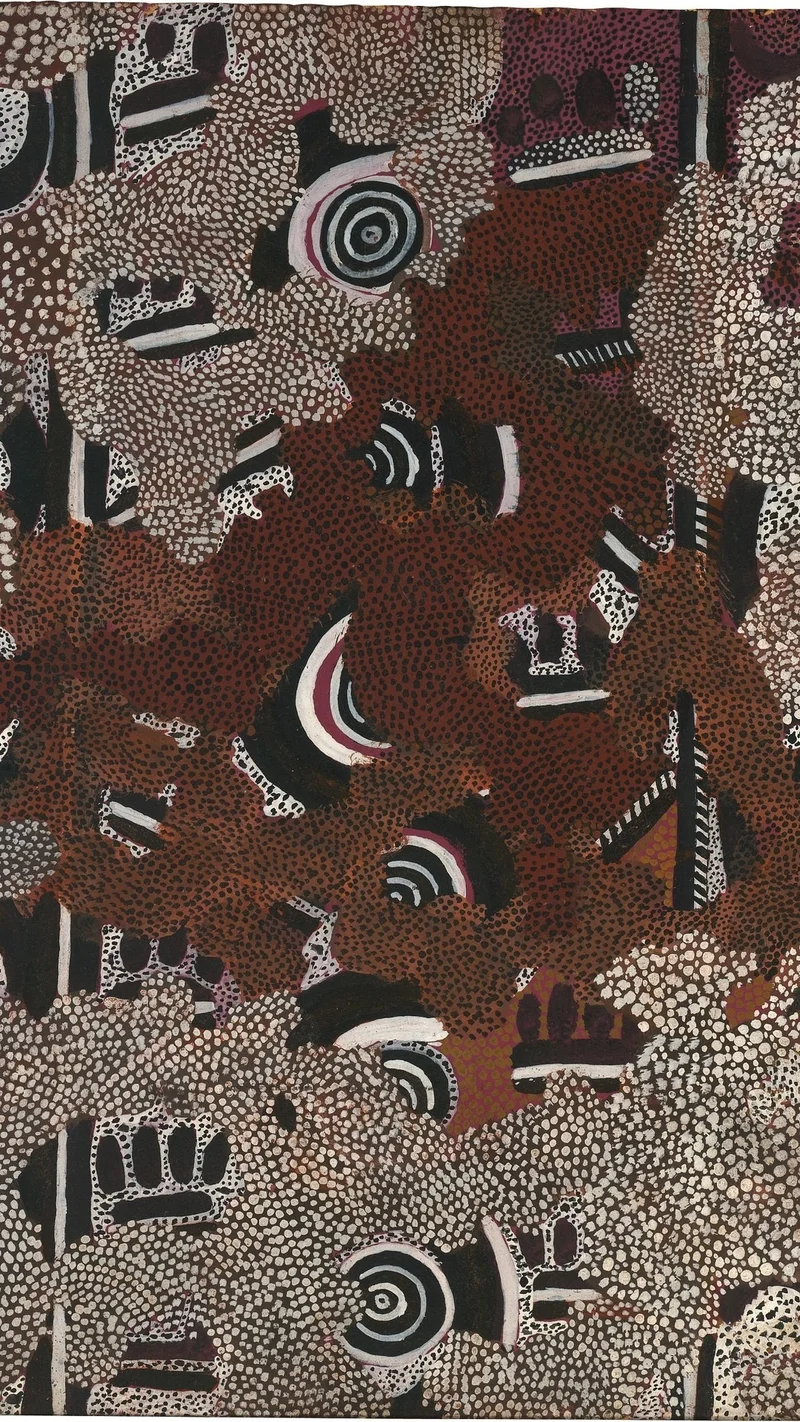
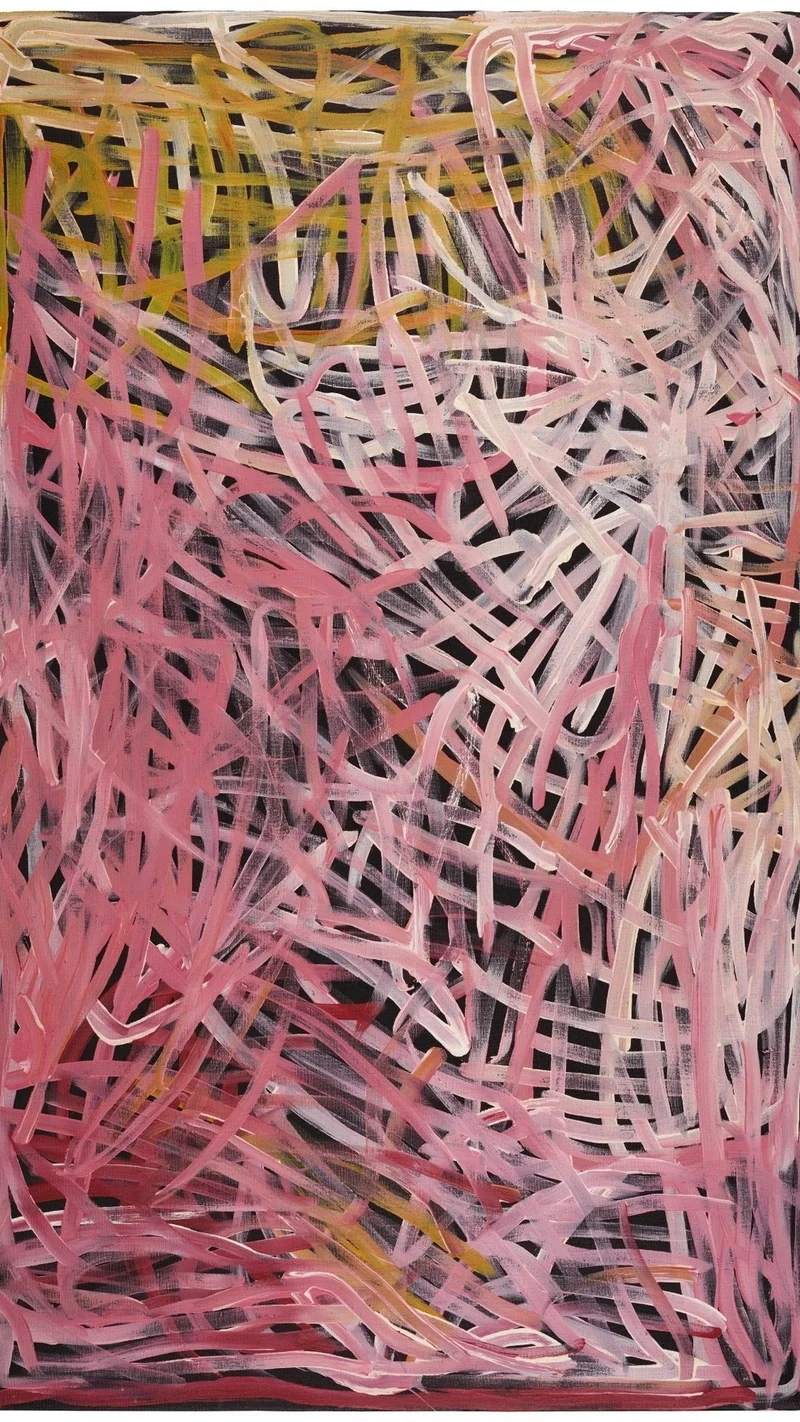
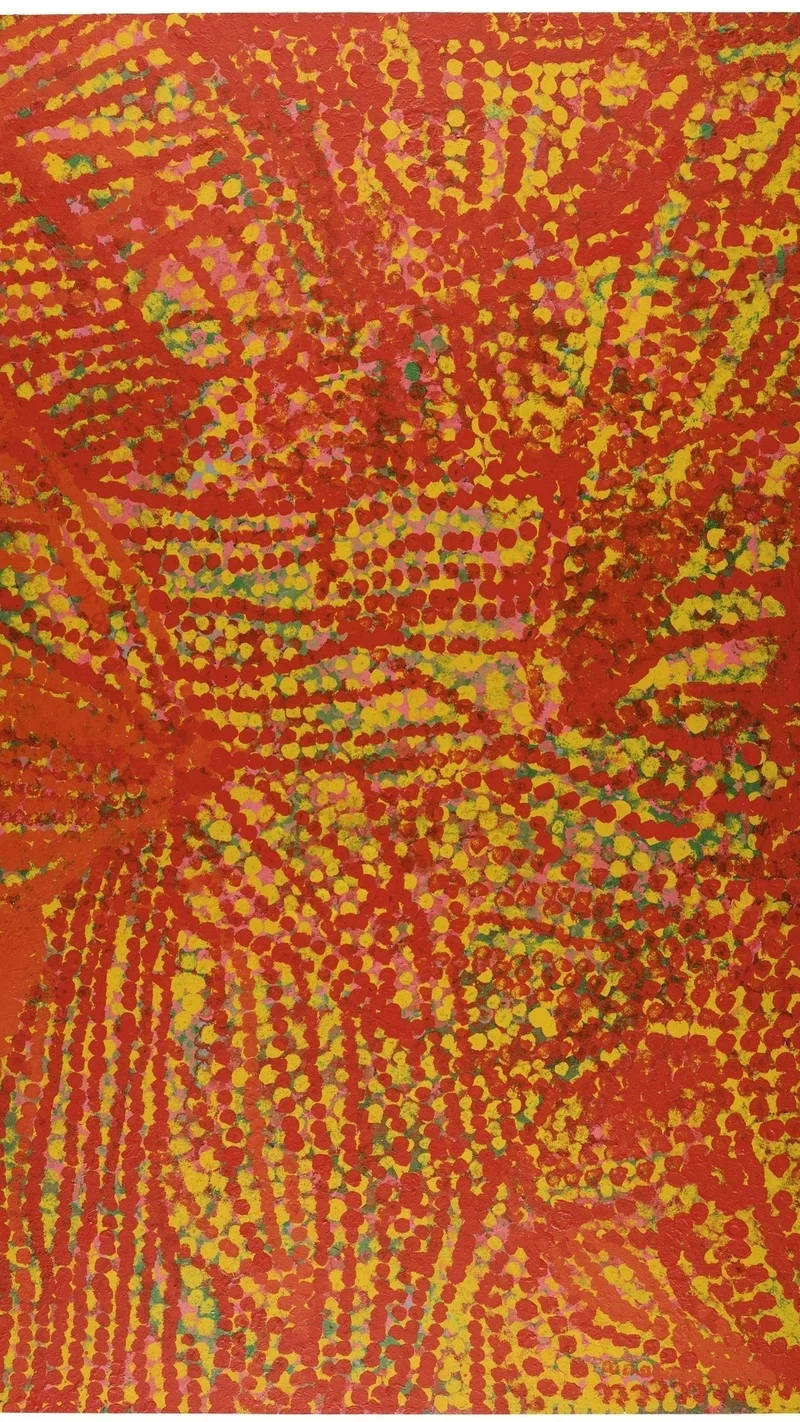
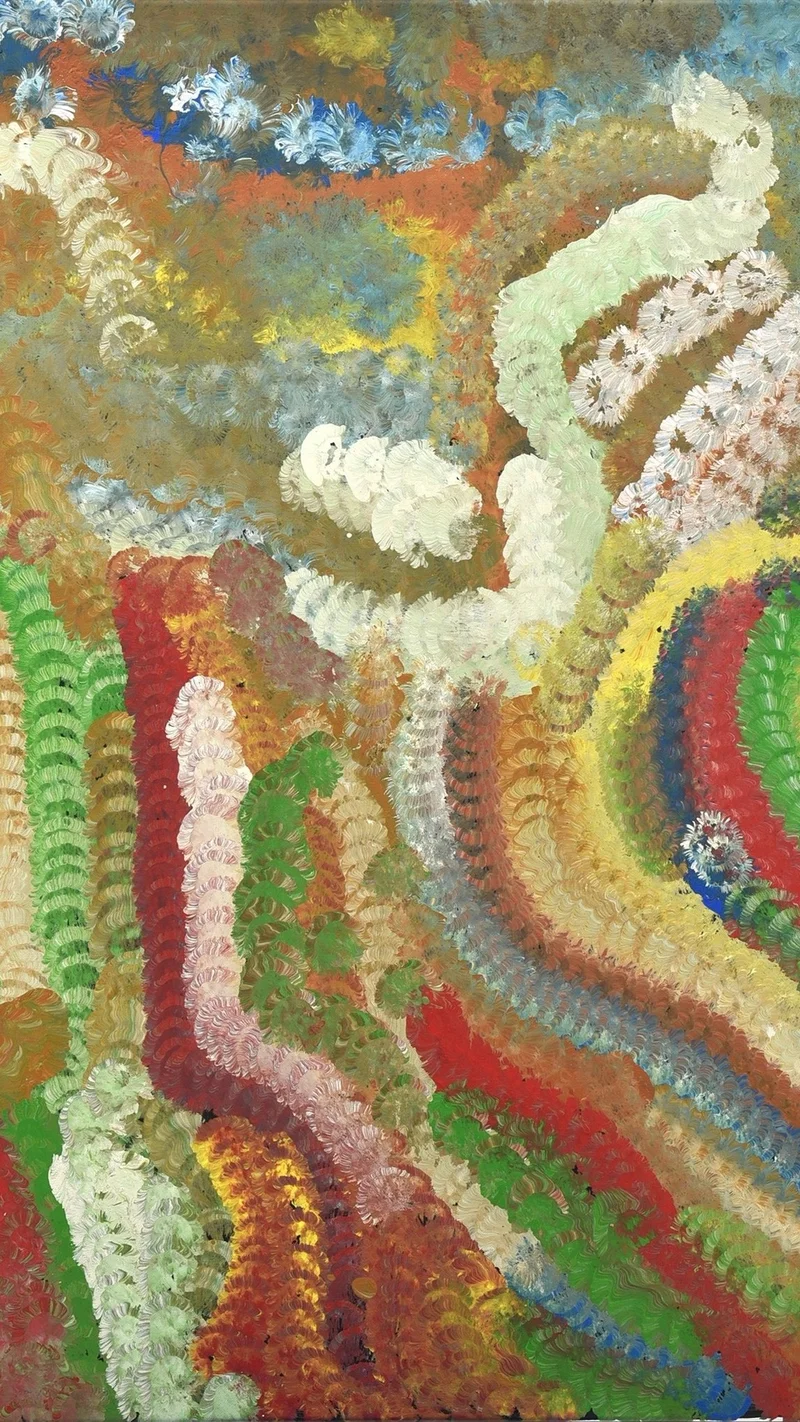
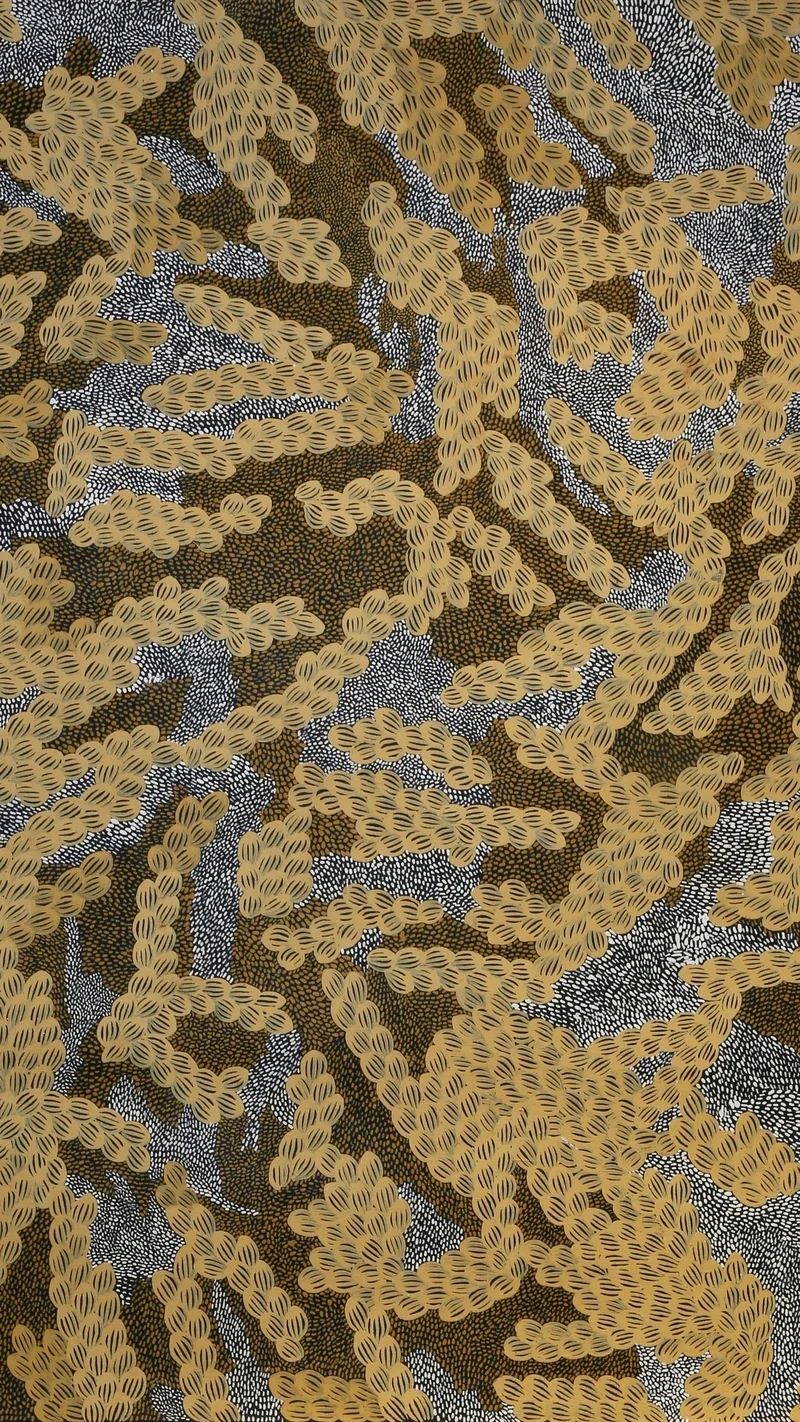
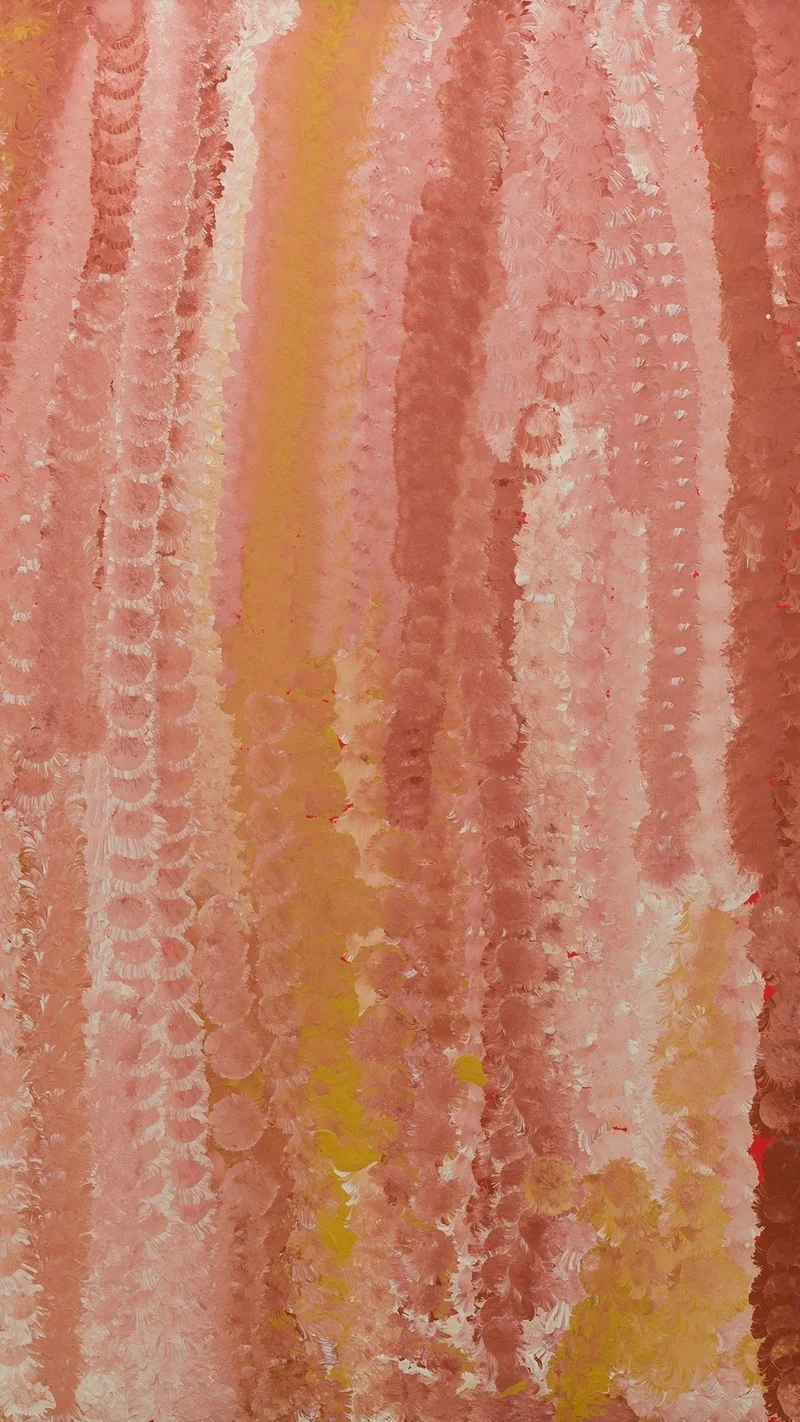
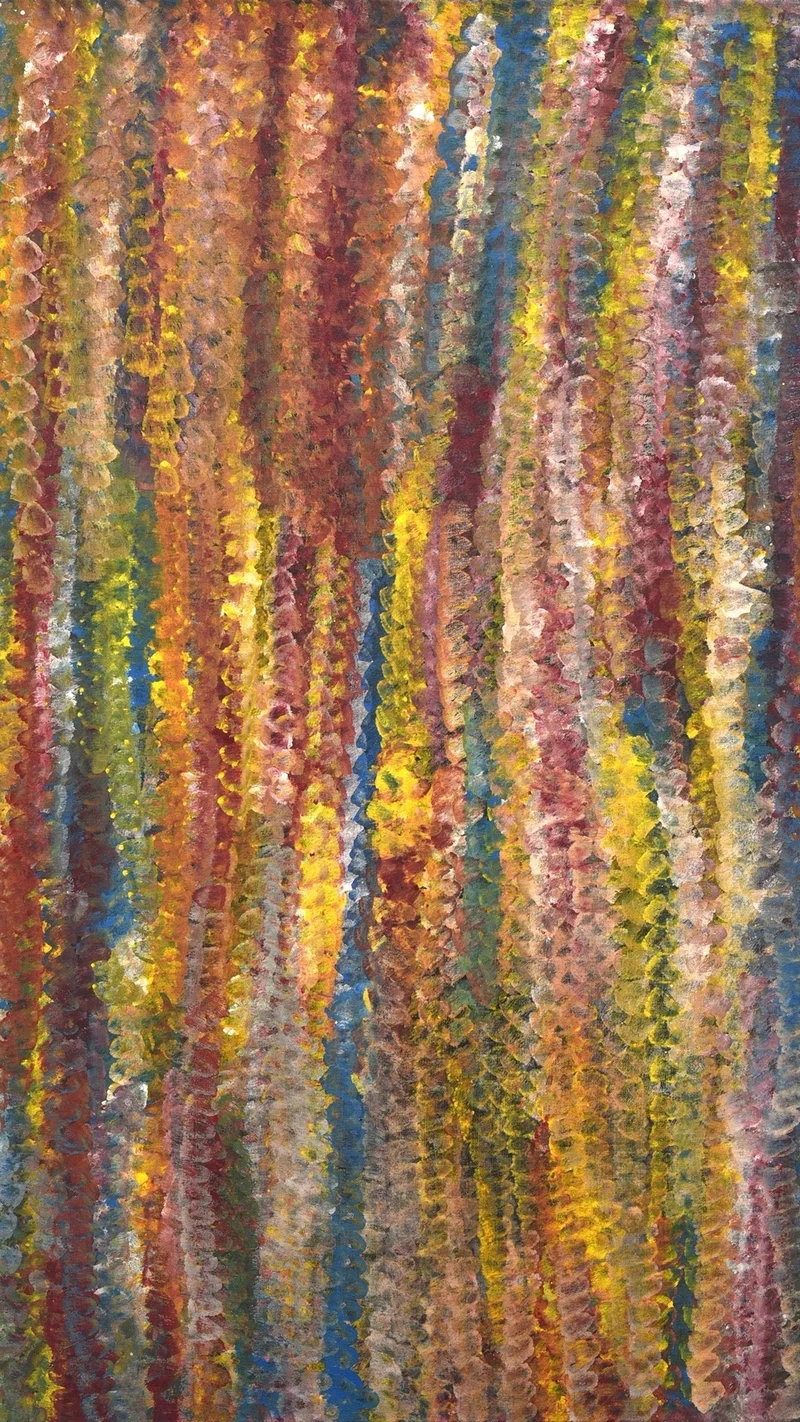
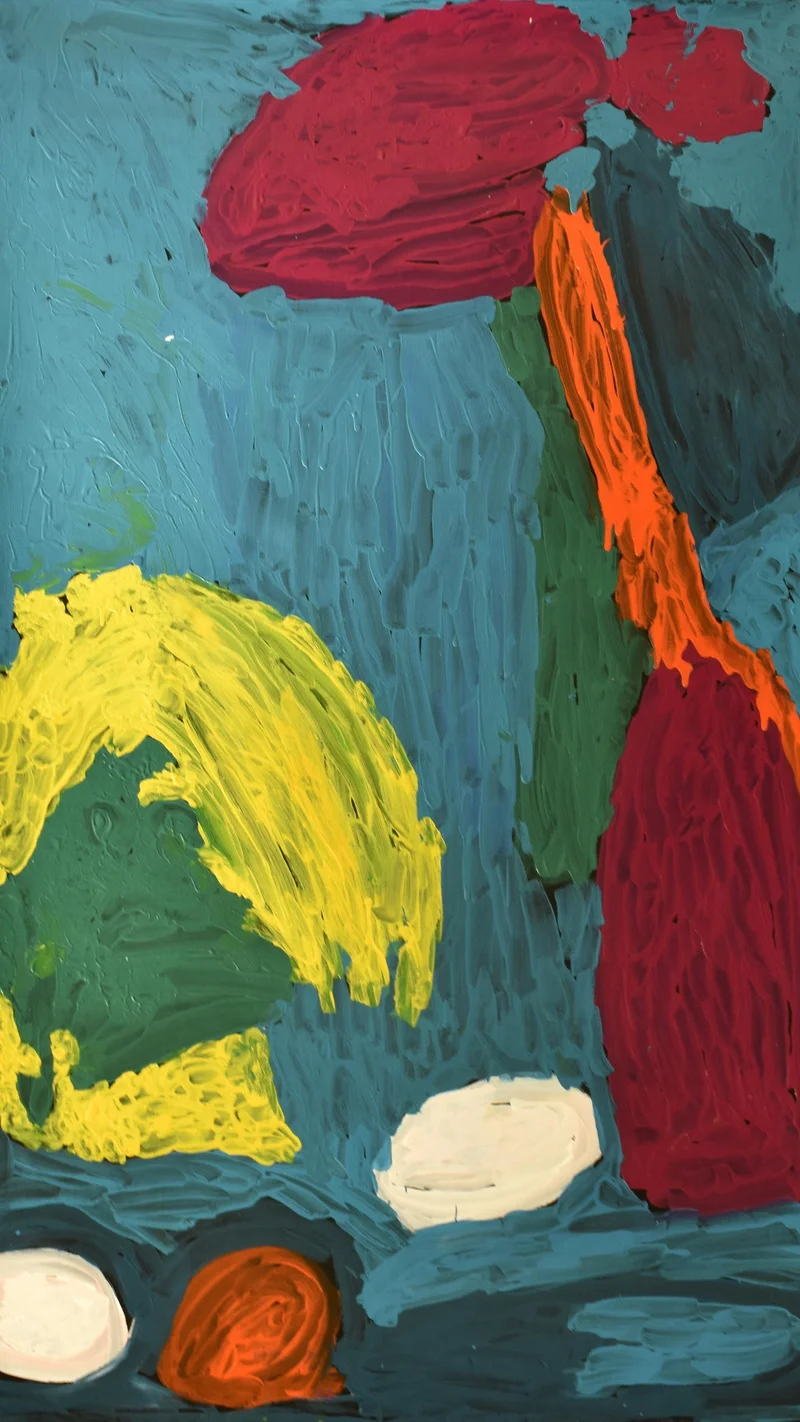
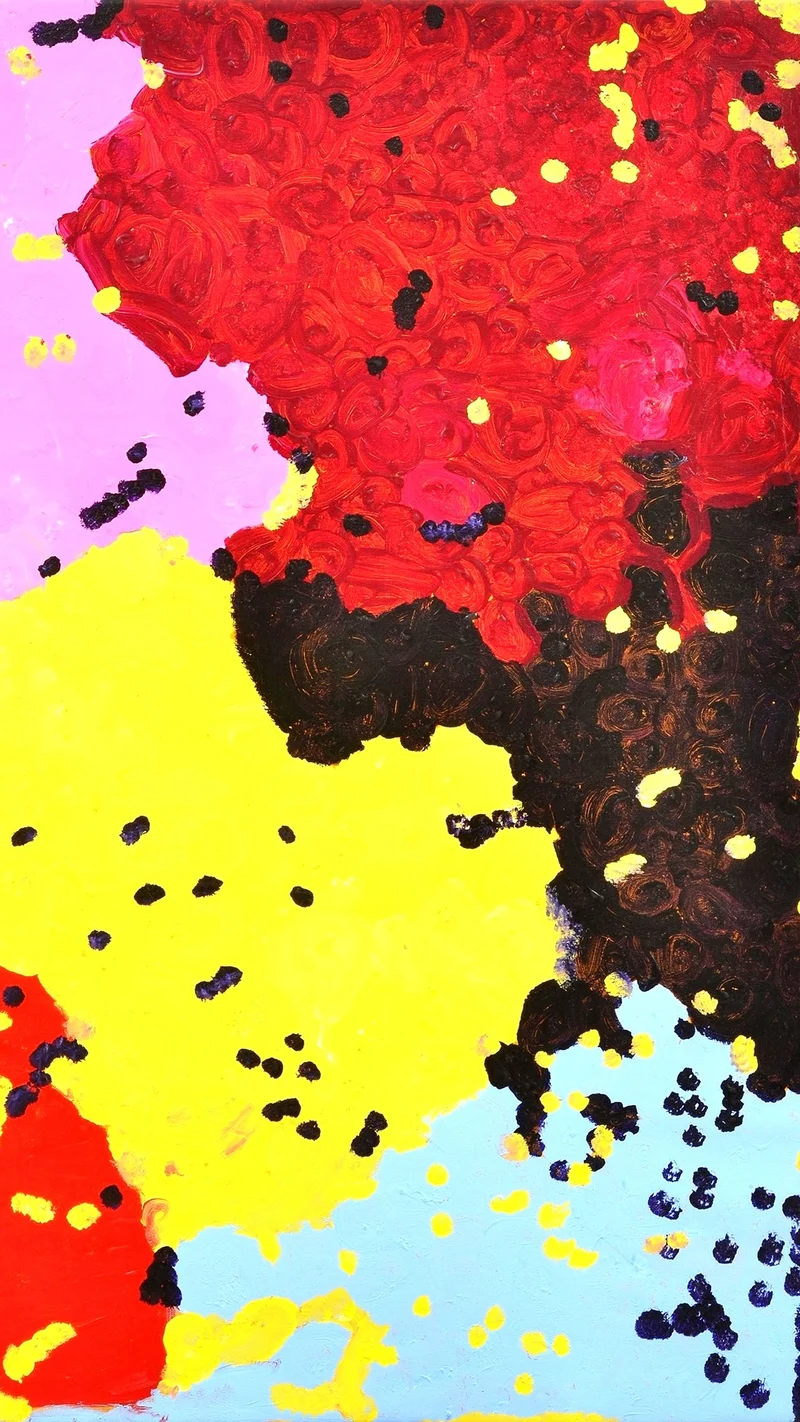
Native Art—specifically within the context of Indigenous Australian and North American traditions—functions as a sophisticated synthesis of ancestral cosmology and contemporary formal innovation. Emerging from localized cultural practices, these works evolved into a global phenomenon that challenges Western art-historical canons. In Australia, the desert painting movement flourished through the intricate mark-making of artists like Emily Kame Kngwarreye, whose Bush Fire II captures the ephemeral qualities of the landscape, and Clifford Possum Tjapaltjarri, whose Wild Potato and My Country III map complex mythological topographies. Similarly, the structural rigor of Abie Loy Kemarre’s Fertile Desert and the bold, expressive color palettes of Sally Gabori in works like Dibirdibi Topway emphasize a departure from ethnographic categorization toward a radical, abstract aestheticism.

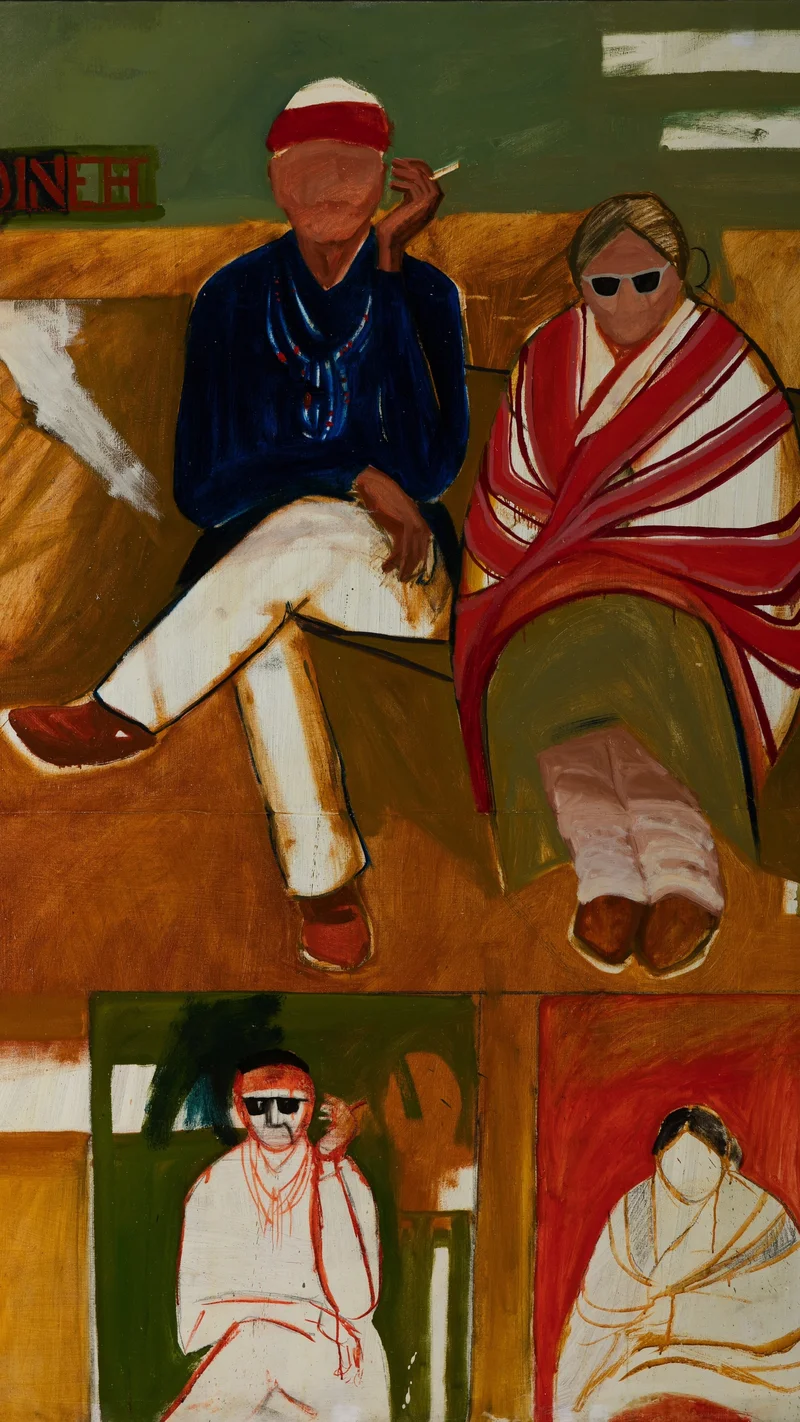
In North America, the trajectory of this movement was profoundly shaped by figures such as T.C. Cannon, whose synthesis of Pop Art sensibilities and traditional iconography dismantled stereotypical portrayals of Indigenous subjects. Through major compositions like My Country IV, these practitioners reclaimed the visual narrative, ensuring that indigenous knowledge systems remained central to their creative discourse. The lasting impact of these artists lies in their ability to bridge the tension between ceremonial continuity and the demands of contemporary visual language. By institutionalizing these diverse practices, the movement has fundamentally altered the trajectory of modern art, asserting that cultural sovereignty and aesthetic complexity are inextricably linked within the global heritage of human expression.

Top Artists

Gallery Results

WallArt Frame